
26
Here a statement is given followed by some conclusions, you have to choose the appropriate logical conclusion for the given statement.
Statement : Online learning has become increasingly popular among students, allowing flexible study schedules and access to a wide range of resources. Schools have reduced classroom expenses and saved on physical infrastructure. However, some students face challenges with motivation and lack of peer interaction. Studies suggest that a blended learning model can combine the advantages of online and in-person education effectively.
Conclusions:
I. Online learning always reduces the quality of education.
II. Schools save money by adopting online learning methods.
III. Blended learning is an effective way to combine online and in-person education.
Question: Which conclusion necessarily follnws?
- A.Only I follows
- B.Only II follows
- C.Only III follows
- D.Both II and III follow
Solution
Statement and conclusions
A conclusion follows only if the statement itself carries it; anything stronger than the statement must be rejected.
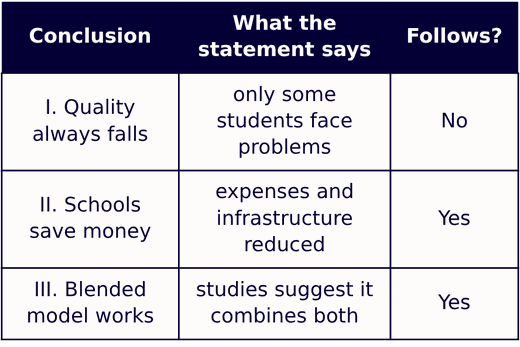 Conclusion I says online learning 'always' reduces quality, but the statement reports difficulties only for 'some students', so this sweeping claim does not follow.
Conclusion II is stated directly — schools 'have reduced classroom expenses and saved on physical infrastructure', which is exactly saving money.
Conclusion III is stated as well — studies suggest a blended model can combine the advantages of online and in-person education effectively.
So II and III follow, and the answer is option (d).
Conclusion I says online learning 'always' reduces quality, but the statement reports difficulties only for 'some students', so this sweeping claim does not follow.
Conclusion II is stated directly — schools 'have reduced classroom expenses and saved on physical infrastructure', which is exactly saving money.
Conclusion III is stated as well — studies suggest a blended model can combine the advantages of online and in-person education effectively.
So II and III follow, and the answer is option (d).
Conclusion I says online learning 'always' reduces quality, but the statement reports difficulties only for 'some students', so this sweeping claim does not follow.
Conclusion II is stated directly — schools 'have reduced classroom expenses and saved on physical infrastructure', which is exactly saving money.
Conclusion III is stated as well — studies suggest a blended model can combine the advantages of online and in-person education effectively.
So II and III follow, and the answer is option (d).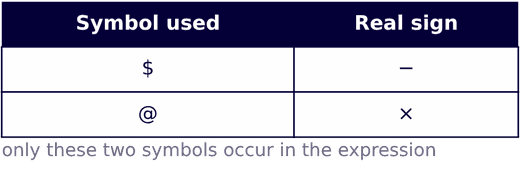 The expression therefore becomes .
By BODMAS the multiplication is carried out first: .
So the value is 30-100=-70.
Hence the answer is option (d).
The expression therefore becomes .
By BODMAS the multiplication is carried out first: .
So the value is 30-100=-70.
Hence the answer is option (d).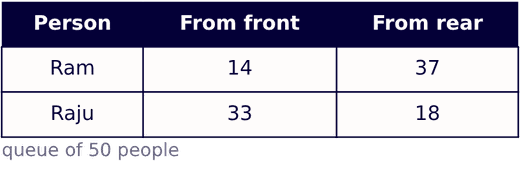 Ram is 14th from the front, so the people standing between them occupy the 15th to the 32nd places.
Number of people between =33-14-1=18.
Hence the answer is option (c).
Ram is 14th from the front, so the people standing between them occupy the 15th to the 32nd places.
Number of people between =33-14-1=18.
Hence the answer is option (c).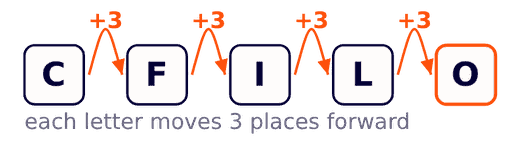 , so every letter moves 3 places forward.
The next position is 12+3=15, and the 15th letter of the alphabet is O.
Hence the answer is option (a).
, so every letter moves 3 places forward.
The next position is 12+3=15, and the 15th letter of the alphabet is O.
Hence the answer is option (a).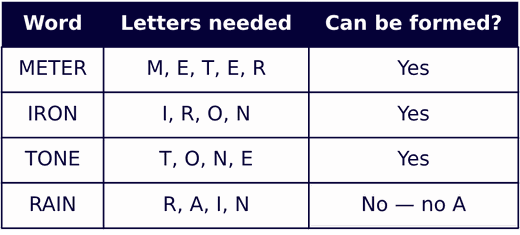 IRON needs I, R, O, N and TONE needs T, O, N, E; every one of those letters is present.
METER needs M, E, T, E, R, and since ENVIRONMENT contains two E's this word can also be formed.
RAIN needs R, A, I, N, but the letter A does not occur in ENVIRONMENT.
Hence RAIN is the word that cannot be formed, and the answer is option (d).
IRON needs I, R, O, N and TONE needs T, O, N, E; every one of those letters is present.
METER needs M, E, T, E, R, and since ENVIRONMENT contains two E's this word can also be formed.
RAIN needs R, A, I, N, but the letter A does not occur in ENVIRONMENT.
Hence RAIN is the word that cannot be formed, and the answer is option (d).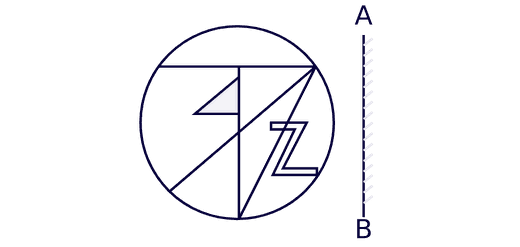
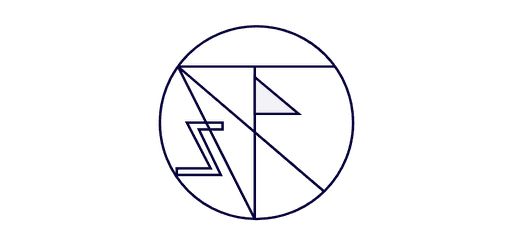
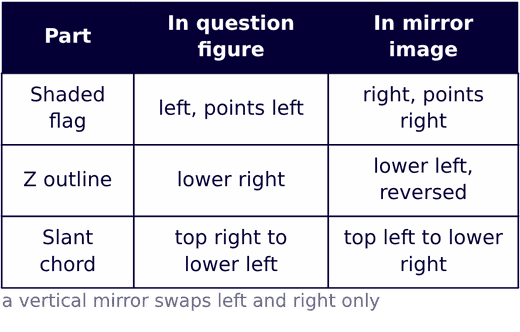 The shaded triangular flag lies to the left of the vertical line and points left, so in the image it must lie to the right of that line and point right.
The plain Z-shaped outline lies in the lower right of the circle, so in the image it must lie in the lower left and appear as a reversed Z.
The slanting chord runs from the top right down to the lower left, so in the image it must run from the top left down to the lower right.
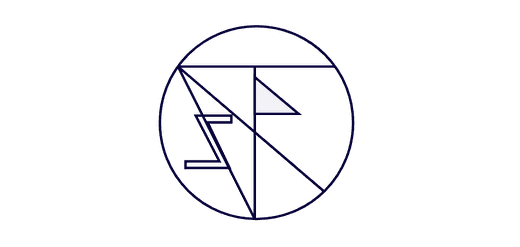
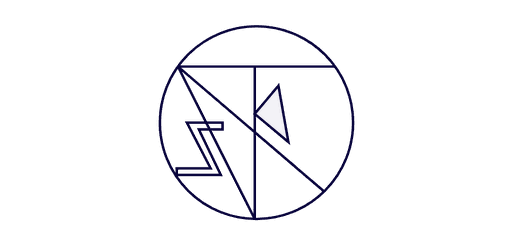
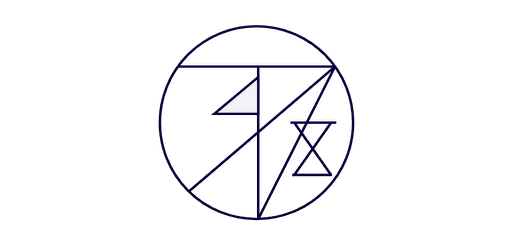
Option (c) shows all three changes together and keeps every part at the same height, so it is the required mirror image.
Option (d) merely repeats the question figure, option (b) turns the shaded flag instead of reflecting it, and in option (a) the reversed Z does not stand where the reflection places it.
The shaded triangular flag lies to the left of the vertical line and points left, so in the image it must lie to the right of that line and point right.
The plain Z-shaped outline lies in the lower right of the circle, so in the image it must lie in the lower left and appear as a reversed Z.
The slanting chord runs from the top right down to the lower left, so in the image it must run from the top left down to the lower right.
Option (c) shows all three changes together and keeps every part at the same height, so it is the required mirror image.
Option (d) merely repeats the question figure, option (b) turns the shaded flag instead of reflecting it, and in option (a) the reversed Z does not stand where the reflection places it.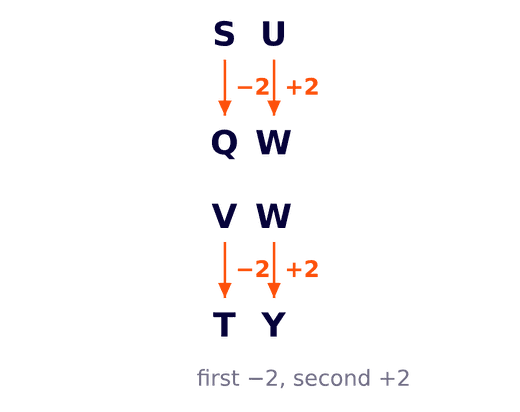 is a step of -2, while is a step of +2.
Apply the same two steps to VW: V(22)-2=T(20) and W(23)+2=Y(25).
So the required pair is TY, which is option (d).
is a step of -2, while is a step of +2.
Apply the same two steps to VW: V(22)-2=T(20) and W(23)+2=Y(25).
So the required pair is TY, which is option (d).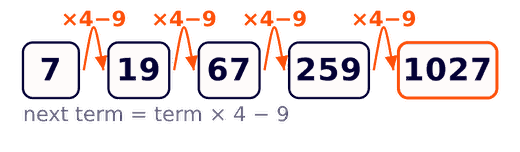 The same rule can be written as one operation on each term: , because and .
So the missing term is .
Hence the answer is option (b).
The same rule can be written as one operation on each term: , because and .
So the missing term is .
Hence the answer is option (b).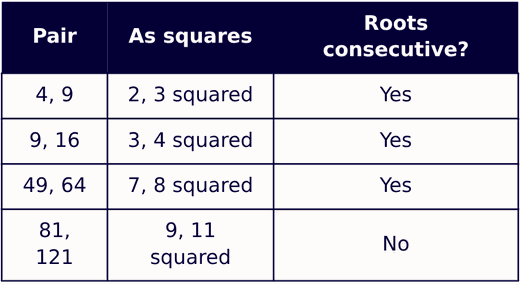 and , and 2 and 3 are consecutive numbers.
with , and with — in both pairs the roots are again consecutive.
and , but 9 and 11 are not consecutive, so this pair breaks the pattern.
Hence the odd pair is 81, 121, which is option (d).
and , and 2 and 3 are consecutive numbers.
with , and with — in both pairs the roots are again consecutive.
and , but 9 and 11 are not consecutive, so this pair breaks the pattern.
Hence the odd pair is 81, 121, which is option (d).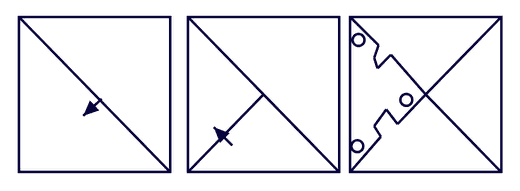
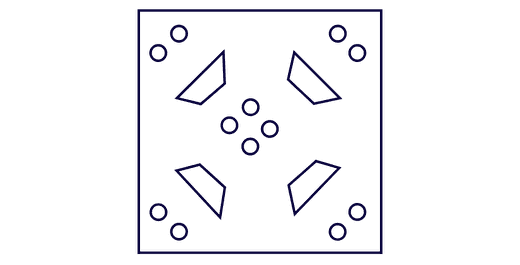
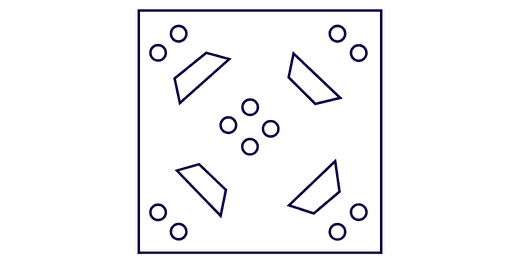
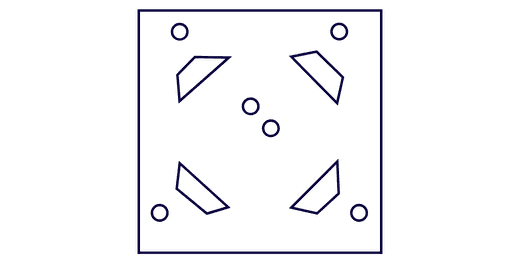
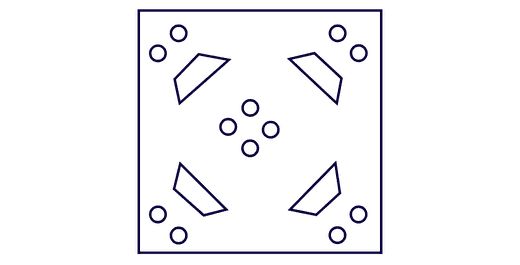
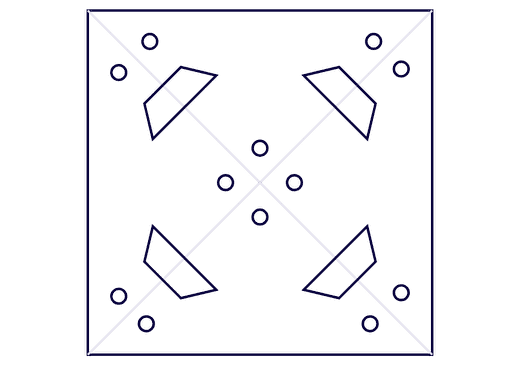 Because the two creases are the two diagonals, the finished pattern must look the same when it is reflected in either diagonal: a pair of holes near each corner, four holes round the centre, and one notch sitting astride each diagonal.
Option (d) carries all twelve holes and places the four notches symmetrically across the two diagonals, so it is the required figure.
In options (a) and (b) one of the notches is turned the wrong way round, and option (c) shows only six holes instead of twelve.
Because the two creases are the two diagonals, the finished pattern must look the same when it is reflected in either diagonal: a pair of holes near each corner, four holes round the centre, and one notch sitting astride each diagonal.
Option (d) carries all twelve holes and places the four notches symmetrically across the two diagonals, so it is the required figure.
In options (a) and (b) one of the notches is turned the wrong way round, and option (c) shows only six holes instead of twelve.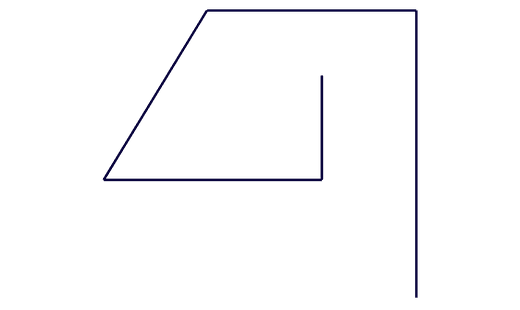
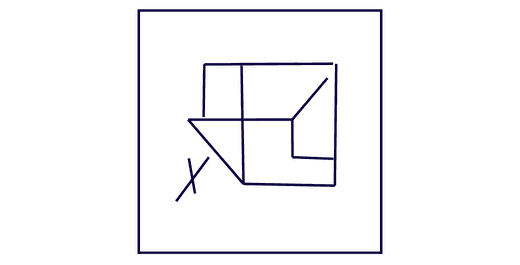
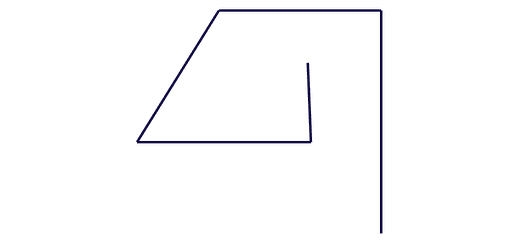 a slant rising from the left towards the right, a horizontal line at the top, a long vertical line at the extreme right, a long horizontal line lower down, and a short upright standing on that lower line.
Rotation is not allowed, so each of these five parts has to appear in the option figure in the same direction and at the same relative distance from the others.
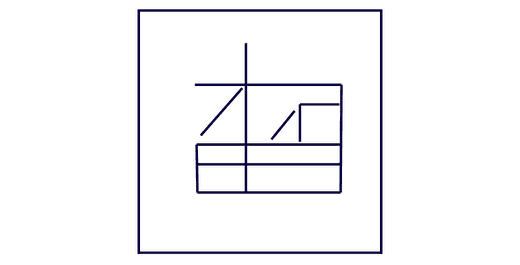
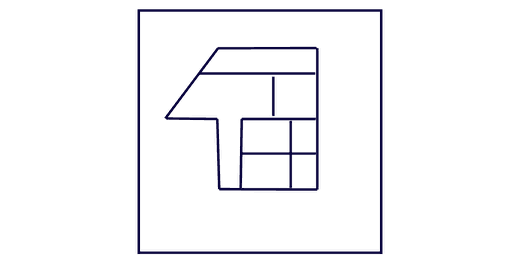
In option (b) the slant, the top horizontal, the long right-hand vertical, the lower horizontal and the short upright on it all lie together exactly as in the question figure, so the figure is hidden there.
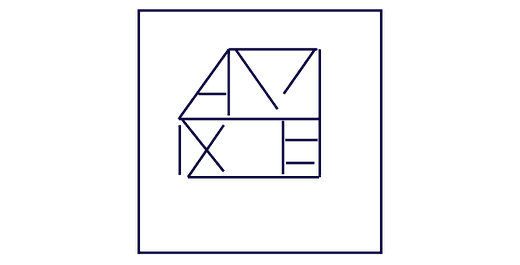
In option (a) the slant and the right-hand vertical fall on blank space instead of on drawn lines, and in option (c) the upright on the lower line is far too short to reach the required height.
Option (d) has no set of lines standing at these distances at all.
a slant rising from the left towards the right, a horizontal line at the top, a long vertical line at the extreme right, a long horizontal line lower down, and a short upright standing on that lower line.
Rotation is not allowed, so each of these five parts has to appear in the option figure in the same direction and at the same relative distance from the others.
In option (b) the slant, the top horizontal, the long right-hand vertical, the lower horizontal and the short upright on it all lie together exactly as in the question figure, so the figure is hidden there.
In option (a) the slant and the right-hand vertical fall on blank space instead of on drawn lines, and in option (c) the upright on the lower line is far too short to reach the required height.
Option (d) has no set of lines standing at these distances at all.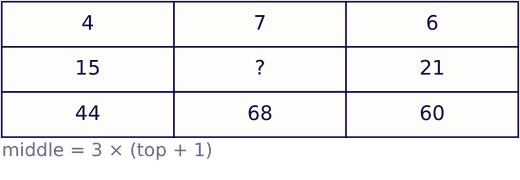 Read each column from the top: the middle number is three times one more than the top number.
First column: .
Third column: .
So for the second column the missing number is .
The bottom row confirms the pattern, since it is always : , and .
Read each column from the top: the middle number is three times one more than the top number.
First column: .
Third column: .
So for the second column the missing number is .
The bottom row confirms the pattern, since it is always : , and .


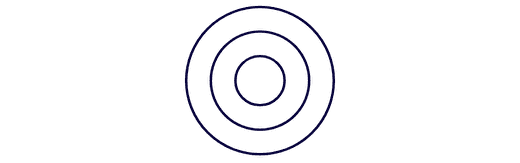

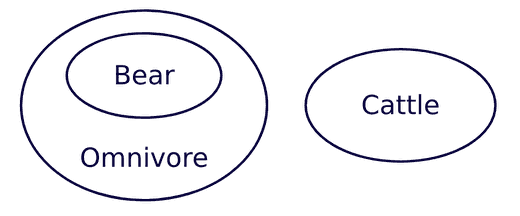 The diagram therefore needs a small circle drawn completely inside a larger circle, with a third circle standing entirely apart from both.
Option (b) shows exactly this arrangement, so it is the correct diagram.
Option (a) puts both smaller circles inside the big one, which would make cattle omnivores, and option (d) keeps all three apart, which would deny that a bear is an omnivore.
The diagram therefore needs a small circle drawn completely inside a larger circle, with a third circle standing entirely apart from both.
Option (b) shows exactly this arrangement, so it is the correct diagram.
Option (a) puts both smaller circles inside the big one, which would make cattle omnivores, and option (d) keeps all three apart, which would deny that a bear is an omnivore.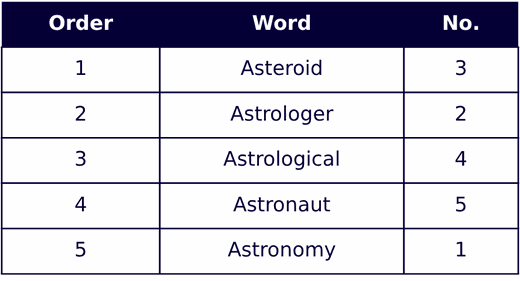 The order is therefore 3, 2, 4, 5, 1.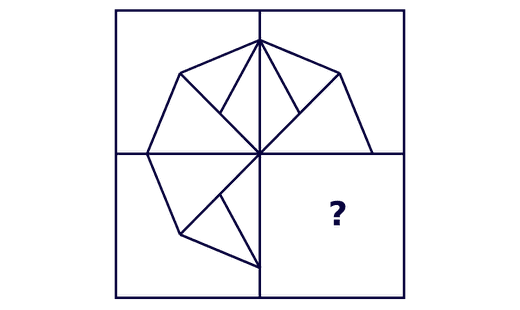
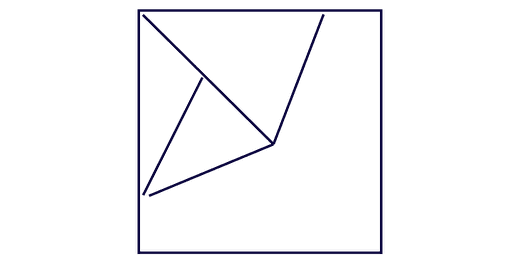
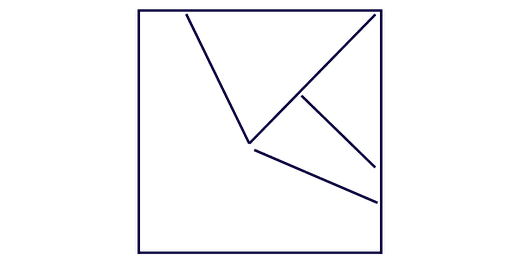
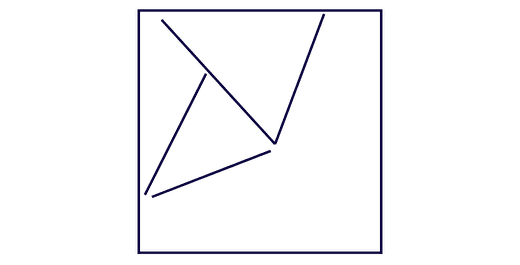
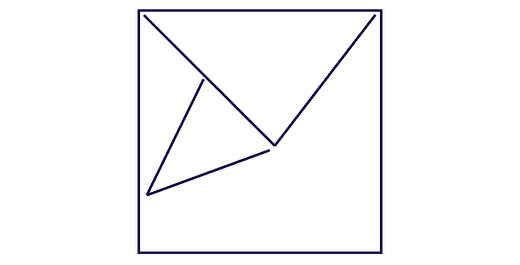
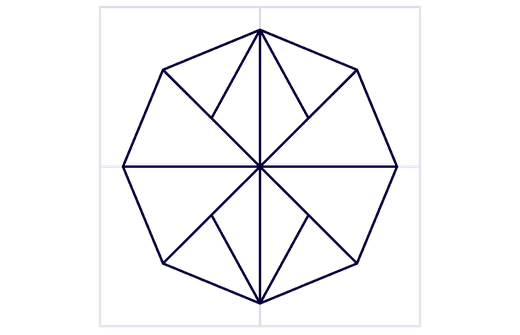 The missing quarter is the bottom-right one, so its top-left corner is the centre of the square, the point on its top edge is the octagon corner lying on the horizontal mid-line, and the point on its left edge is the octagon corner lying on the vertical mid-line.
The piece must therefore show a line starting exactly at its top-left corner and running down to the slanting corner, two more lines from that corner to the marked points on the top edge and on the left edge, and a short line from the point on the left edge to the middle of the first line.
Option (a) draws all four of these lines with the slanting line beginning exactly at the corner of the piece, so it completes the pattern.
In option (c) that slanting line does not reach the corner of the piece, in option (d) the upper line runs to the corner of the square instead of to the octagon corner, and in option (b) no line touches the left edge at all.
The missing quarter is the bottom-right one, so its top-left corner is the centre of the square, the point on its top edge is the octagon corner lying on the horizontal mid-line, and the point on its left edge is the octagon corner lying on the vertical mid-line.
The piece must therefore show a line starting exactly at its top-left corner and running down to the slanting corner, two more lines from that corner to the marked points on the top edge and on the left edge, and a short line from the point on the left edge to the middle of the first line.
Option (a) draws all four of these lines with the slanting line beginning exactly at the corner of the piece, so it completes the pattern.
In option (c) that slanting line does not reach the corner of the piece, in option (d) the upper line runs to the corner of the square instead of to the octagon corner, and in option (b) no line touches the left edge at all.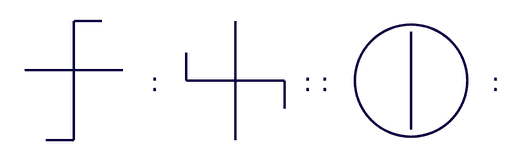
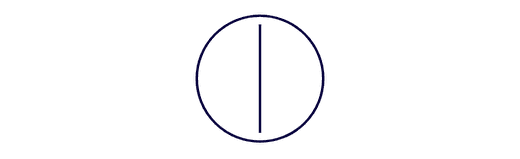
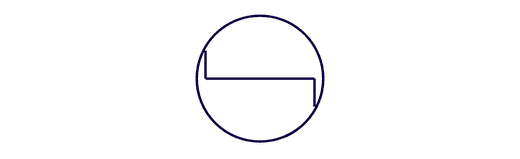
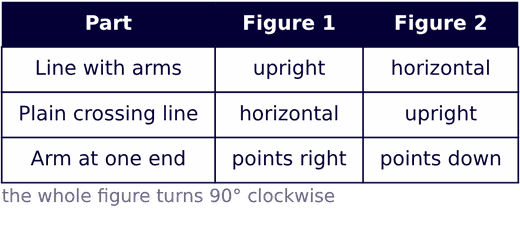 The line carrying the two short arms is upright in the first figure and horizontal in the second, while the plain crossing line turns the other way, from horizontal to upright.
The arm that pointed to the right at the top now points downwards at the right-hand end, and the arm that pointed to the left at the bottom now points upwards at the left-hand end.
Both changes together are exactly a quarter turn of the whole figure in the clockwise direction, so figure 2 = figure 1 turned through clockwise.
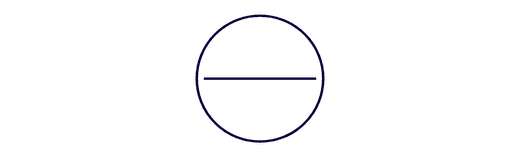
The third figure is a circle with a plain upright line inside it; a quarter turn leaves the circle unchanged and lays that line flat.
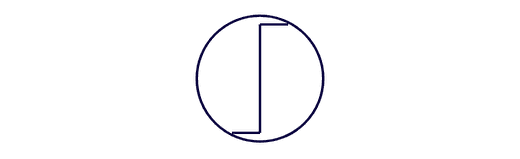
So the answer is a circle with a plain horizontal line, which is option (a); option (c) merely repeats the third figure, while options (b) and (d) add short arms that the third figure never had.
The line carrying the two short arms is upright in the first figure and horizontal in the second, while the plain crossing line turns the other way, from horizontal to upright.
The arm that pointed to the right at the top now points downwards at the right-hand end, and the arm that pointed to the left at the bottom now points upwards at the left-hand end.
Both changes together are exactly a quarter turn of the whole figure in the clockwise direction, so figure 2 = figure 1 turned through clockwise.
The third figure is a circle with a plain upright line inside it; a quarter turn leaves the circle unchanged and lays that line flat.
So the answer is a circle with a plain horizontal line, which is option (a); option (c) merely repeats the third figure, while options (b) and (d) add short arms that the third figure never had.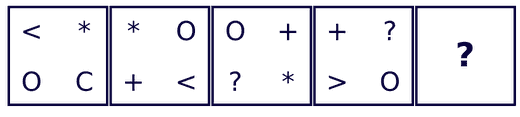
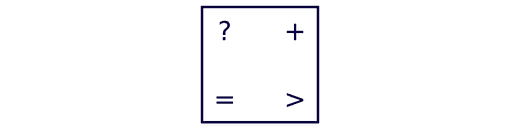
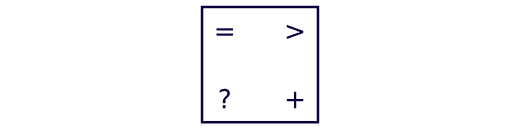
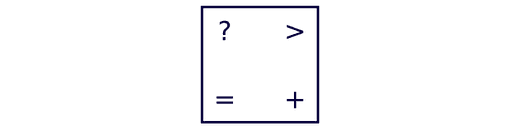
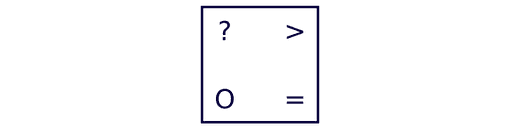
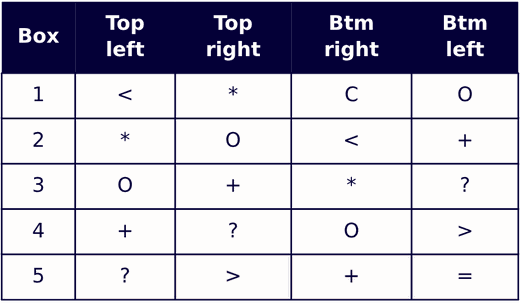 The symbol in the top-right corner moves to the top-left corner, the symbol in the bottom-left corner moves to the top-right corner, and the symbol in the top-left corner moves to the bottom-right corner.
The symbol that was in the bottom-right corner leaves the box altogether, and a brand-new symbol enters at the bottom-left corner.
The fourth box holds + at the top-left, ? at the top-right, > at the bottom-left and O at the bottom-right.
So in the fifth box the top-left is ?, the top-right is >, the bottom-right is + and O disappears, while the fresh symbol = takes the bottom-left corner.
Only option (c) has ? , > , + and = standing in exactly these four places.
The symbol in the top-right corner moves to the top-left corner, the symbol in the bottom-left corner moves to the top-right corner, and the symbol in the top-left corner moves to the bottom-right corner.
The symbol that was in the bottom-right corner leaves the box altogether, and a brand-new symbol enters at the bottom-left corner.
The fourth box holds + at the top-left, ? at the top-right, > at the bottom-left and O at the bottom-right.
So in the fifth box the top-left is ?, the top-right is >, the bottom-right is + and O disappears, while the fresh symbol = takes the bottom-left corner.
Only option (c) has ? , > , + and = standing in exactly these four places.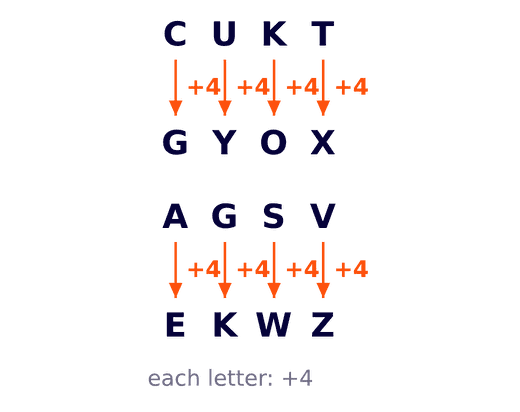 Apply +4 to every letter of AGSV: A(1)→E(5), G(7)→K(11), S(19)→W(23), V(22)→Z(26).
So AGSV is coded as EKWZ.
Apply +4 to every letter of AGSV: A(1)→E(5), G(7)→K(11), S(19)→W(23), V(22)→Z(26).
So AGSV is coded as EKWZ.