
76
Which of the following Delhi Sultans maintained a large standing army in Delhi in response to repeated Mongol invasions, creating major administrative challenges?
I. Alauddin Khalji
II. Muhammad bin Tughluq
- A.Only I
- B.Only I
- C.Neither I nor II
- D.Both I and II
Solution
Delhi Sultanate administration
Both the Sultans named kept a huge standing army in Delhi, because the Mongols raided the Sultanate's north-western frontier again and again.
Alauddin Khalji (1296-1316) paid his soldiers in cash; to make those cash salaries workable he fixed the prices of grain, cloth, horses and slaves in the Delhi markets and enforced them through the shahna-i-mandi.
He also introduced the dagh (branding of army horses) and the chehra (a descriptive roll of every soldier) to stop cheating at muster - measures that show how heavy the administrative load of that army was.
Muhammad bin Tughluq (1325-1351) likewise kept a very large army in Delhi for the defence of the frontier and for his ambitious projects, and financed it through heavy taxation in the Doab and the token currency, both of which ended in disorder.
So both statements are correct and option (d) is the correct answer.
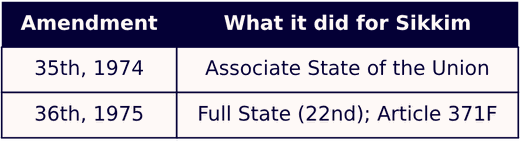 The earlier 35th Amendment Act, 1974 had given Sikkim only the status of an 'Associate State', a category created for it and abolished a year later.
The 42nd Amendment Act, 1976 is the well-known 'Mini Constitution' amendment and has nothing to do with Sikkim.
So option (d) is the correct answer.
The earlier 35th Amendment Act, 1974 had given Sikkim only the status of an 'Associate State', a category created for it and abolished a year later.
The 42nd Amendment Act, 1976 is the well-known 'Mini Constitution' amendment and has nothing to do with Sikkim.
So option (d) is the correct answer.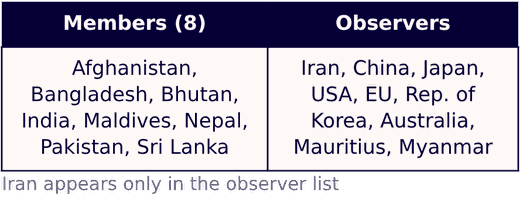 Iran holds only observer status, along with China, Japan, the USA, the European Union, the Republic of Korea, Australia, Mauritius and Myanmar.
So Iran is not a member and option (b) is the correct answer.
Iran holds only observer status, along with China, Japan, the USA, the European Union, the Republic of Korea, Australia, Mauritius and Myanmar.
So Iran is not a member and option (b) is the correct answer.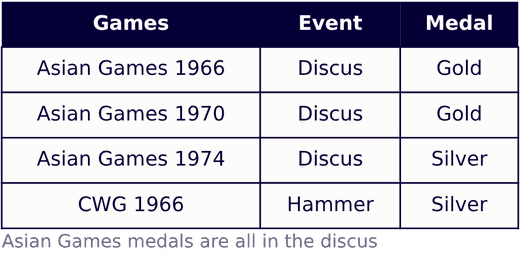 He represented India at the 1968 Mexico City and 1972 Munich Olympics and received the Arjuna Award in 1967.
A later generation knew him as Bheem in the television serial 'Mahabharat'.
Hence option (c) is correct.
He represented India at the 1968 Mexico City and 1972 Munich Olympics and received the Arjuna Award in 1967.
A later generation knew him as Bheem in the television serial 'Mahabharat'.
Hence option (c) is correct.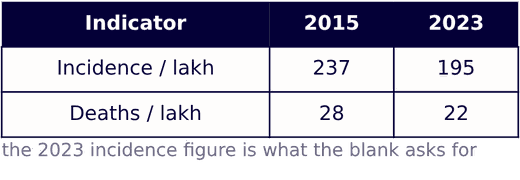 The gains are credited to the National TB Elimination Programme (NTEP), run under the National Health Mission, with nutrition support through the Ni-kshay Poshan Yojana.
Hence option (b) is correct.
The gains are credited to the National TB Elimination Programme (NTEP), run under the National Health Mission, with nutrition support through the Ni-kshay Poshan Yojana.
Hence option (b) is correct.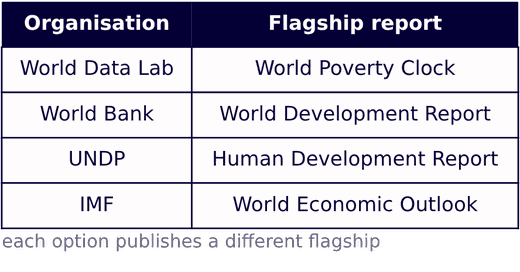 Hence option (a) is correct.
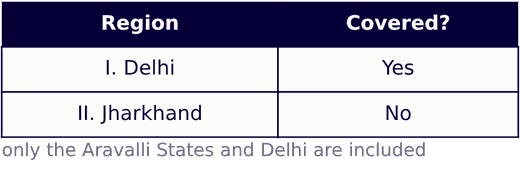 So statement I is true and statement II is false; the scheme is modelled on Africa's Great Green Wall and targets desertification and land degradation.
Hence option (b) is correct.
So statement I is true and statement II is false; the scheme is modelled on Africa's Great Green Wall and targets desertification and land degradation.
Hence option (b) is correct.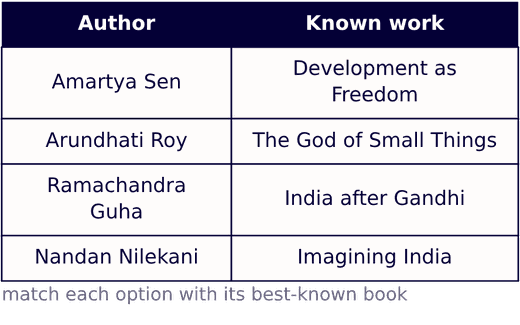 Hence option (c) is correct.
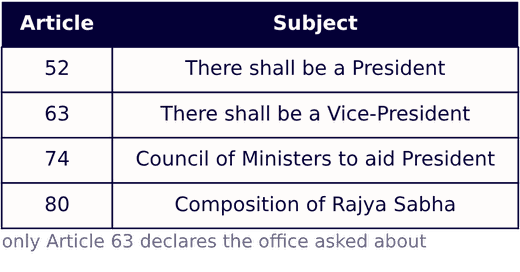 Note the parallel wording of Article 52 for the President; it is the reason option (d) tempts, but it declares the wrong office.
Hence option (a) is correct.
Note the parallel wording of Article 52 for the President; it is the reason option (d) tempts, but it declares the wrong office.
Hence option (a) is correct.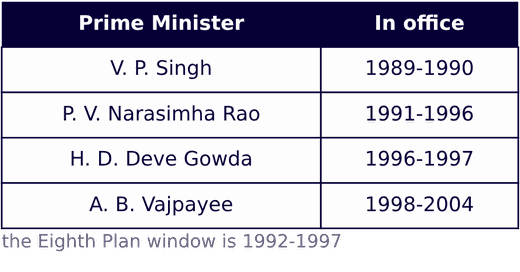 The other names do not fit the window: V. P. Singh left office in 1990, H. D. Deve Gowda became Prime Minister only in June 1996, and Atal Bihari Vajpayee's full term began in 1998.
Hence option (a) is correct.
The other names do not fit the window: V. P. Singh left office in 1990, H. D. Deve Gowda became Prime Minister only in June 1996, and Atal Bihari Vajpayee's full term began in 1998.
Hence option (a) is correct.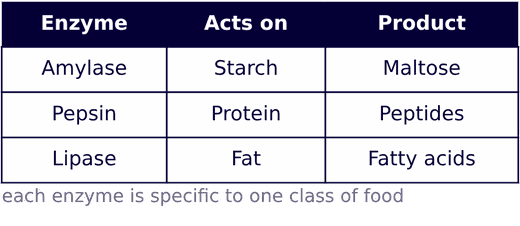 The other options do different work: hormones are chemical messengers, antibodies are defence proteins, and vitamins are micronutrients that at most serve as coenzymes.
Hence option (a) is correct.
The other options do different work: hormones are chemical messengers, antibodies are defence proteins, and vitamins are micronutrients that at most serve as coenzymes.
Hence option (a) is correct.