
76
Which ruler became the sole female sovereign of the Delhi Sultanate during 1236-1240 A.D.?
- A.Begum Hazrat Mahal
- B.Razia Sultana
- C.Mumtaz Mahal
- D.Nur Jahan
Solution
Delhi Sultanate rulers
Razia Sultana ruled from 1236 to 1240 A.D. and remains the only woman ever to sit on the throne of the Delhi Sultanate.
She was the daughter of Iltutmish of the Slave (Mamluk) dynasty, who chose her as his successor in preference to his own sons.
She gave up the veil, held open court and appointed officers on merit, which the Turkish nobility (the Chalisa) resented; she was deposed and killed in 1240.
Nur Jahan and Mumtaz Mahal were Mughal empresses, and Begum Hazrat Mahal led the Awadh resistance in the Revolt of 1857, so none of them ruled the Sultanate.
Hence the correct option is (b).
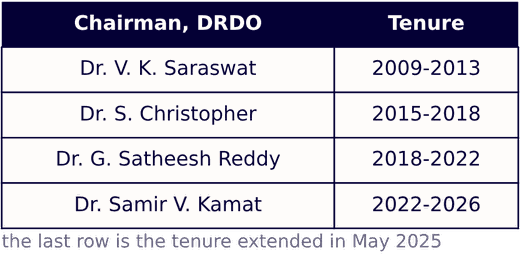 DRDO itself dates from 1958, when the Defence Science Organisation was merged with the Technical Development Establishments of the Army; its headquarters is DRDO Bhawan, New Delhi.
The other three names are earlier Chairmen, not the officer whose tenure was extended in 2025.
Hence option (c) is correct.
DRDO itself dates from 1958, when the Defence Science Organisation was merged with the Technical Development Establishments of the Army; its headquarters is DRDO Bhawan, New Delhi.
The other three names are earlier Chairmen, not the officer whose tenure was extended in 2025.
Hence option (c) is correct.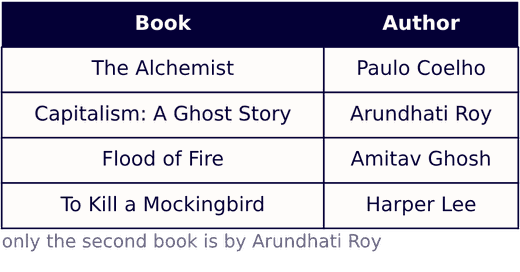 Hence option (b) is correct.
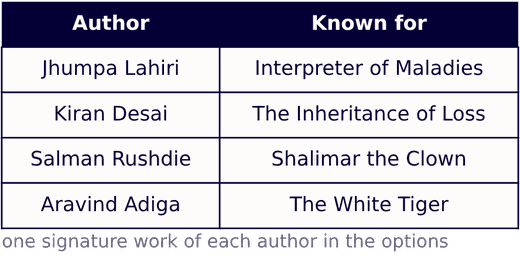 Hence option (c) is correct.
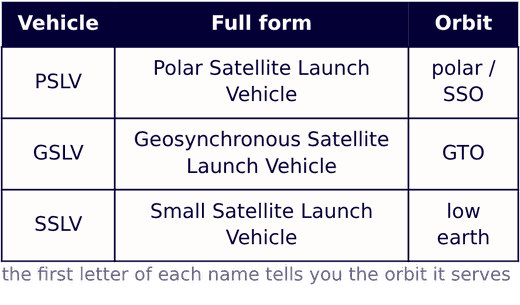 GSLV Mk-II flies with an indigenous cryogenic upper stage; the heavier LVM3 carried Chandrayaan-2 and Chandrayaan-3, while the PSLV is used for polar and sun-synchronous orbits.
Hence option (a) is correct.
GSLV Mk-II flies with an indigenous cryogenic upper stage; the heavier LVM3 carried Chandrayaan-2 and Chandrayaan-3, while the PSLV is used for polar and sun-synchronous orbits.
Hence option (a) is correct.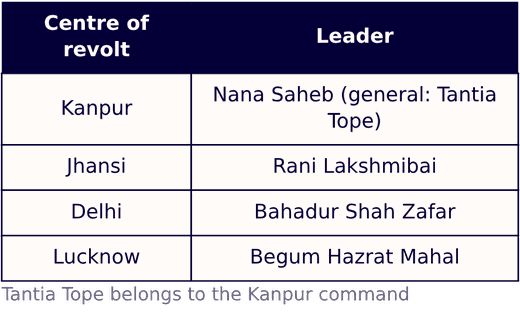 After Kanpur was lost he moved with his troops towards Jhansi and Kalpi, and in June 1858 he joined Rani Lakshmibai in the capture of Gwalior - so he fought alongside her, but served under Nana Saheb.
He carried on a guerrilla campaign in central India until he was betrayed, captured and executed at Shivpuri in April 1859.
Hence option (a) is correct.
After Kanpur was lost he moved with his troops towards Jhansi and Kalpi, and in June 1858 he joined Rani Lakshmibai in the capture of Gwalior - so he fought alongside her, but served under Nana Saheb.
He carried on a guerrilla campaign in central India until he was betrayed, captured and executed at Shivpuri in April 1859.
Hence option (a) is correct.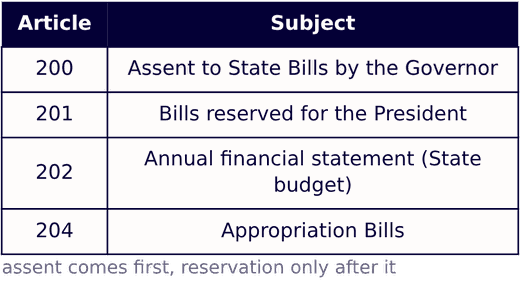 Article 201 takes over only after a Bill is reserved, and Articles 202 and 204 are about the State budget and appropriation, not about assent.
Hence option (c) is correct.
Article 201 takes over only after a Bill is reserved, and Articles 202 and 204 are about the State budget and appropriation, not about assent.
Hence option (c) is correct.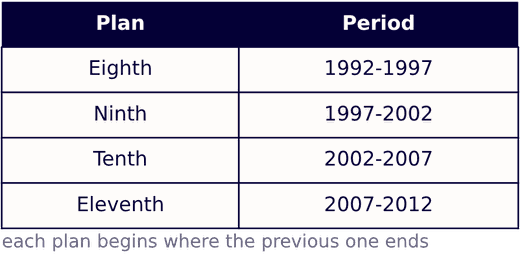 It aimed at about 6.5% annual growth and achieved close to 5.4%, and it put the seven Basic Minimum Services - safe drinking water, primary health, primary education, housing, nutrition, connectivity and the public distribution system - at the centre of planning.
It also came after the two-year plan holiday of 1990-92, which is why the Eighth Plan began only in 1992 and the Ninth in 1997.
Hence option (c) is correct.
It aimed at about 6.5% annual growth and achieved close to 5.4%, and it put the seven Basic Minimum Services - safe drinking water, primary health, primary education, housing, nutrition, connectivity and the public distribution system - at the centre of planning.
It also came after the two-year plan holiday of 1990-92, which is why the Eighth Plan began only in 1992 and the Ninth in 1997.
Hence option (c) is correct.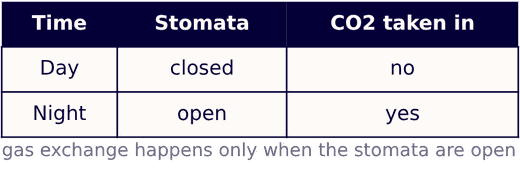 The absorbed at night is fixed by the enzyme PEP carboxylase into oxaloacetate and stored in the vacuole as malic acid.
By day the malic acid is broken down and the released inside the leaf enters the Calvin cycle, so photosynthesis goes on with the stomata still closed.
Separating gas exchange (night) from photosynthesis (day) is what saves water and lets cactus, Opuntia, Agave and pineapple survive arid heat.
So statement II alone is true, and option (b) is correct.
The absorbed at night is fixed by the enzyme PEP carboxylase into oxaloacetate and stored in the vacuole as malic acid.
By day the malic acid is broken down and the released inside the leaf enters the Calvin cycle, so photosynthesis goes on with the stomata still closed.
Separating gas exchange (night) from photosynthesis (day) is what saves water and lets cactus, Opuntia, Agave and pineapple survive arid heat.
So statement II alone is true, and option (b) is correct.