
21
Which of the following best describes the term 'Public Debt' ?
- A.The total amount of money owed by the citizens of a country
- B.The total investments made by the government
- C.The total revenue generated by the government
- D.The total amount of money owed by the government to its creditors
Solution
Public debt
Public debt is the total amount of money the government has borrowed and still owes to its creditors - its internal debt (market loans, treasury bills, small savings) plus its external debt.
Memory hook: it is the government's borrowing, not the citizens' borrowing, and it appears on the liabilities side of the government account, not the income side.
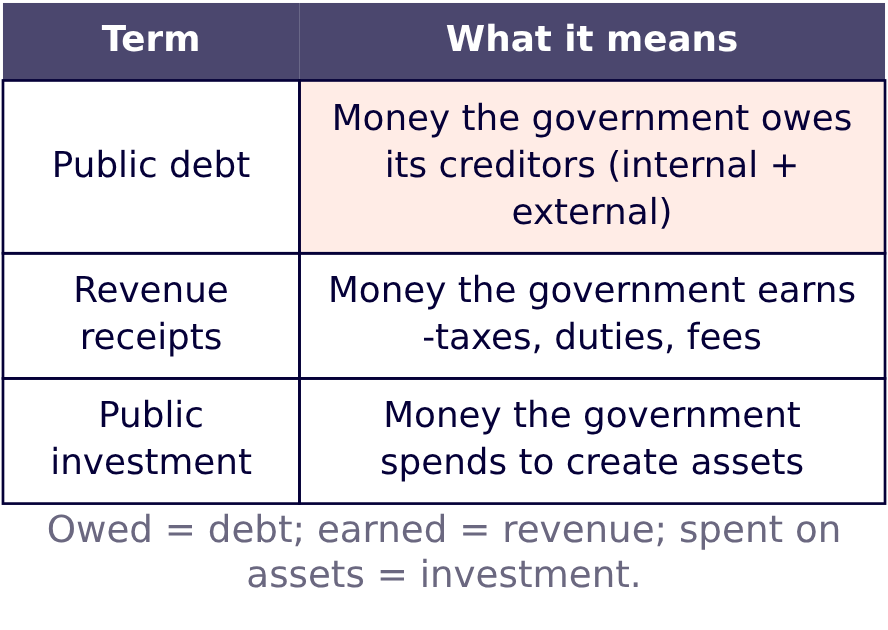 Option (c) is the tempting one, but revenue is what the government earns from taxes and duties; money earned can never be money owed. Option (b) describes an asset the government builds, and (a) wrongly shifts the liability to citizens.
Option (c) is the tempting one, but revenue is what the government earns from taxes and duties; money earned can never be money owed. Option (b) describes an asset the government builds, and (a) wrongly shifts the liability to citizens.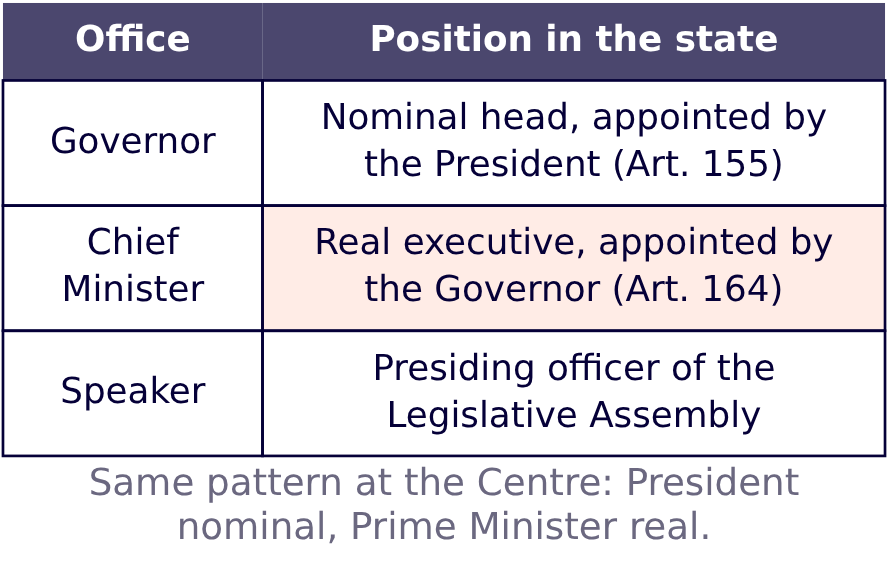 Governor is the tempting option because every executive action of the state runs in his name (Article 154), but he is appointed by the President and acts on ministerial advice. The Speaker only presides over the Assembly, and Deputy Chief Minister is not a separate constitutional office.
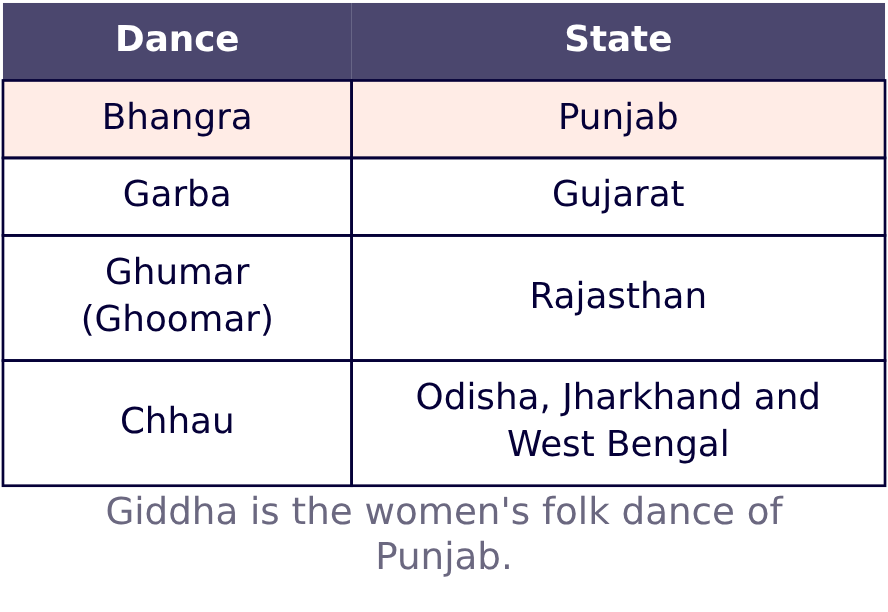 Each distractor belongs to another state, so learning the dance-state pair once removes all three at a glance.
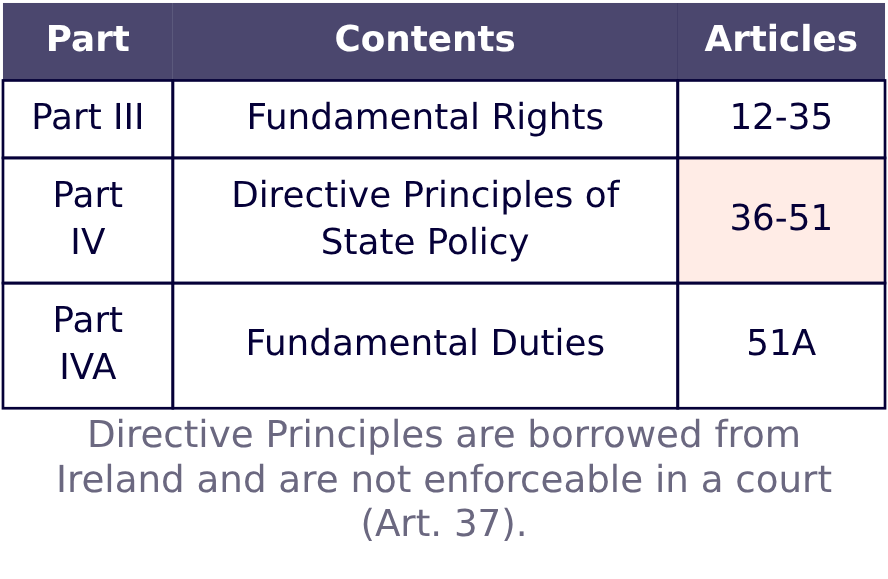 The other ranges all start after 36 or stop before 51, so they cut off either Article 38 (welfare of the people) or Article 50 (separation of the judiciary from the executive), both of which are Directive Principles.
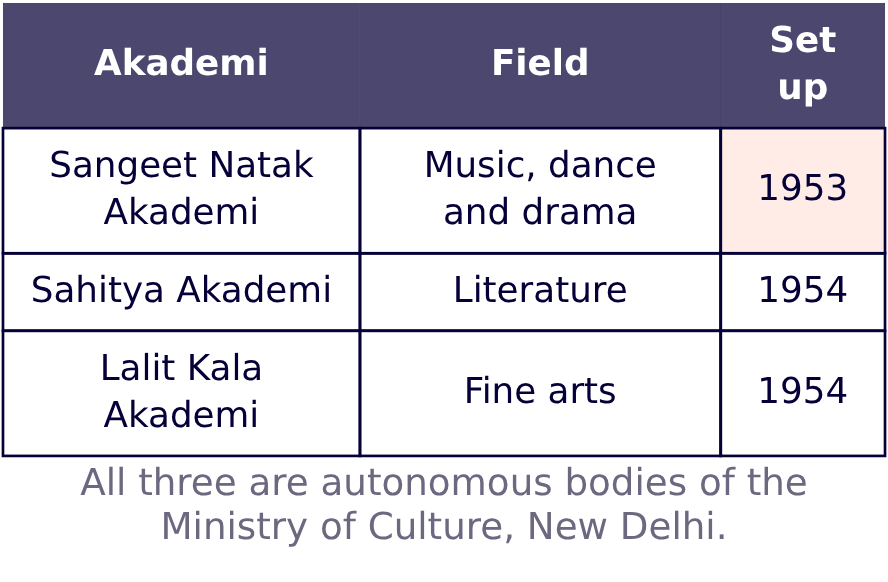 1949 is too early - it precedes the Constitution itself - and 1961 and 1963 belong to institutions of the next decade, such as the National School of Drama's separation in 1959 and later bodies.
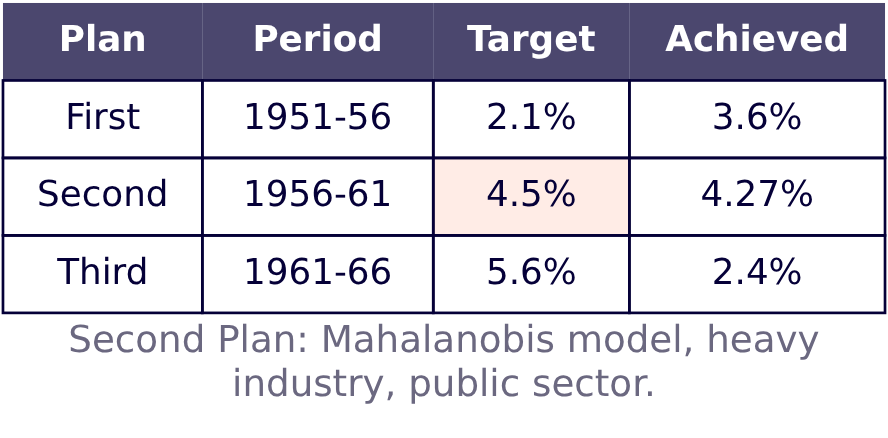 5.6% and 3.6% look familiar for a reason: 5.6% was the Third Plan's target and 3.6% was the growth the First Plan actually achieved, so both belong to neighbouring plans, not to this one.
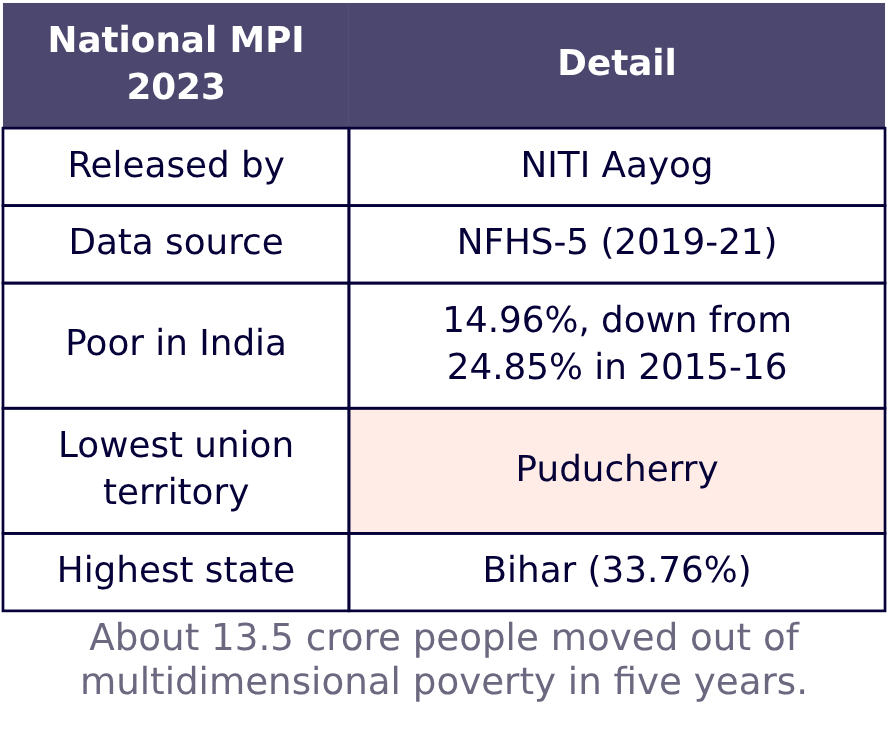 Delhi, Chandigarh and Lakshadweep are the natural traps because they are prosperous and highly urban, but urban income alone does not clear the deprivation indicators the index actually counts.
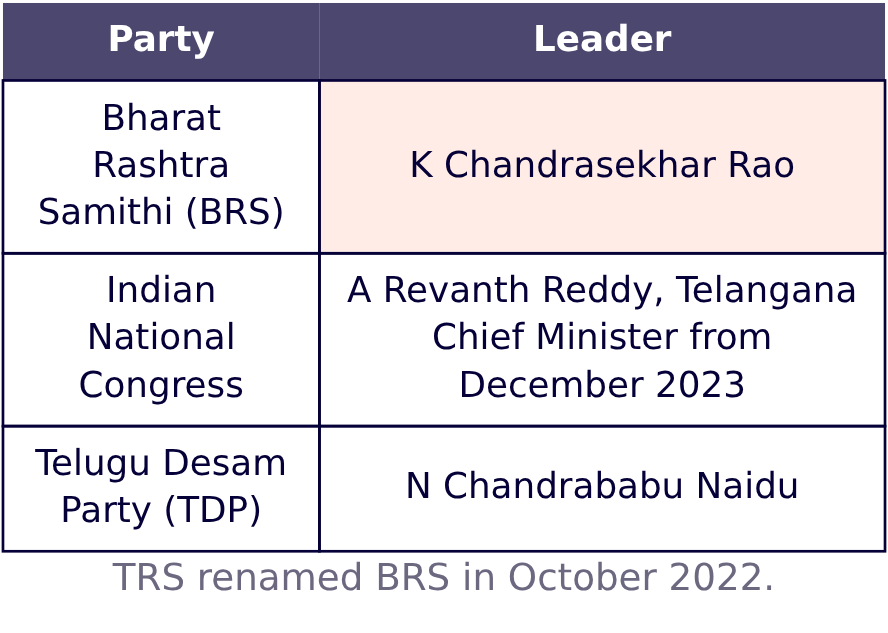 The Congress is the trap here, because it is the party that defeated him in the 2023 Telangana election and formed the government - it is the winner, not his party.
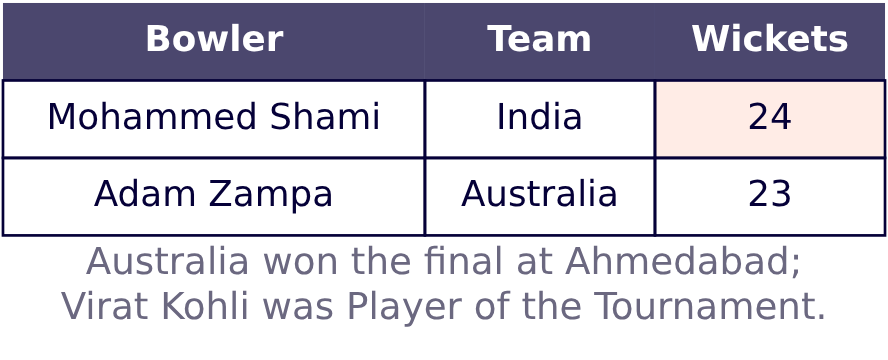 Jasprit Bumrah is the tempting answer because he opened the bowling in every match, but he finished behind Shami; Australia's Adam Zampa was the closest challenger with 23.
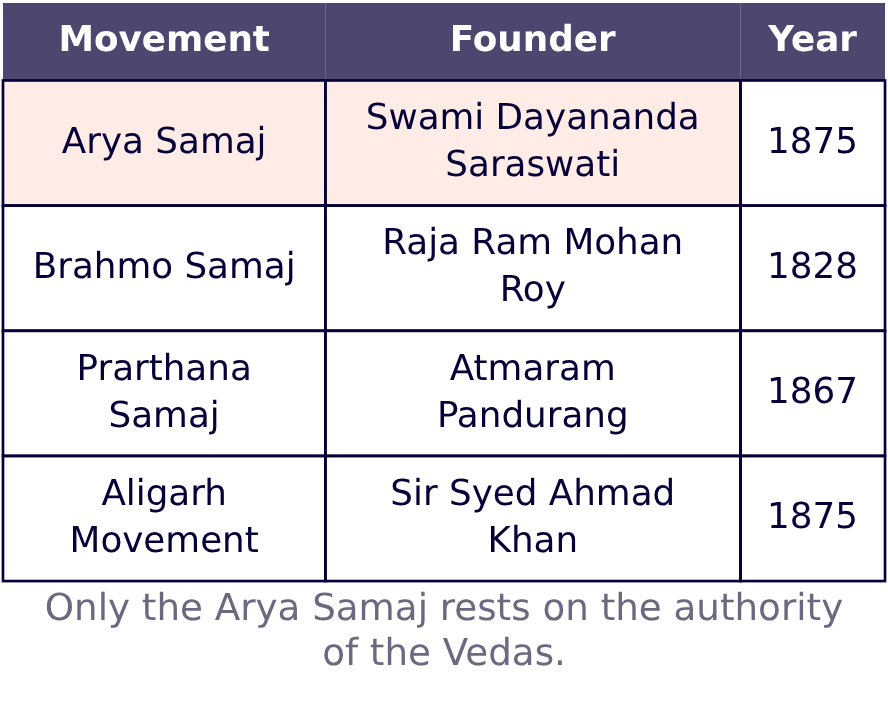 Brahmo Samaj is the tempting option, but Raja Ram Mohan Roy's reform rested on reason and the Upanishads rather than on a return to Vedic authority.
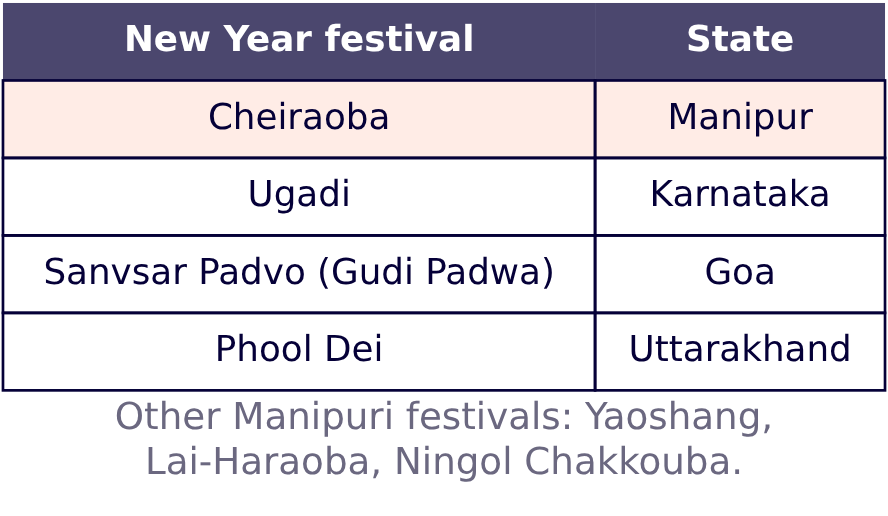 The other three states have New Year festivals of their own, which is exactly why they are offered here - learn the festival with its state and the confusion disappears.
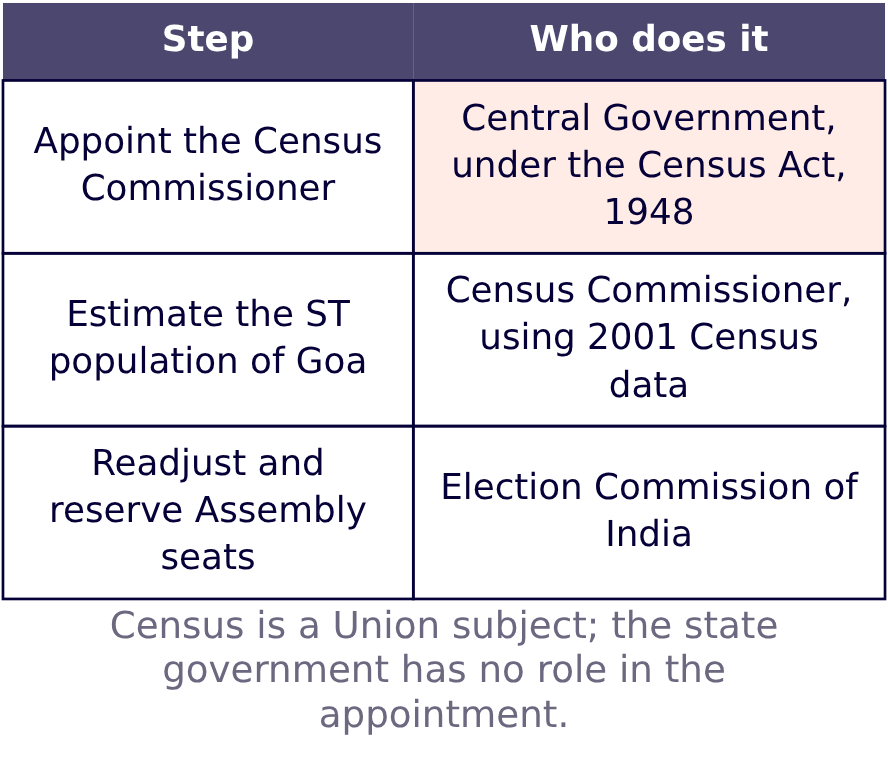 State Government is the trap because the seats being readjusted are Goa's own, but the census machinery is a Union subject - the state neither runs the census nor appoints its Commissioner.
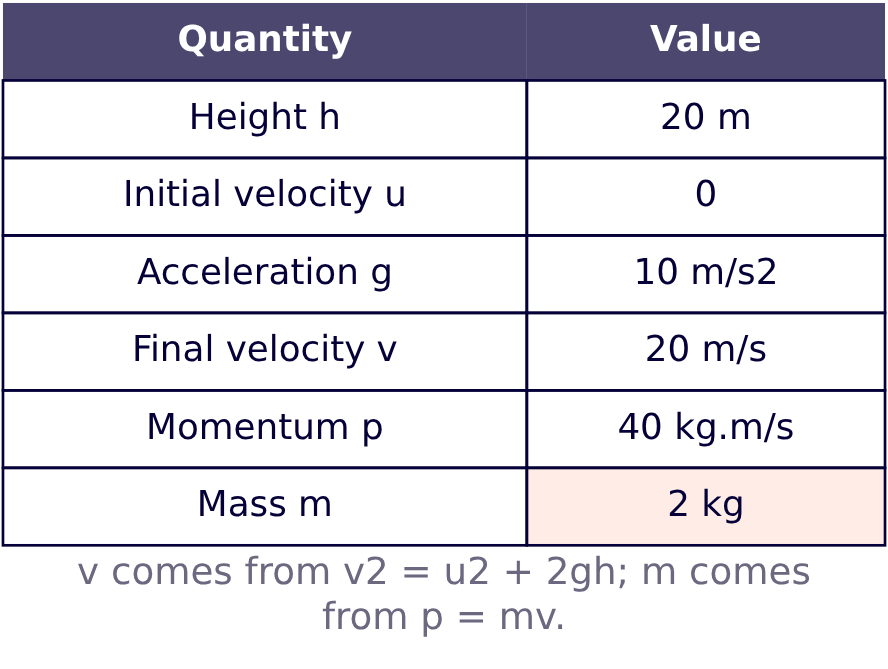 The 4 kg trap comes from dividing the momentum by g itself (); g is an acceleration, and only the final speed 20 m/s may be divided into the momentum.
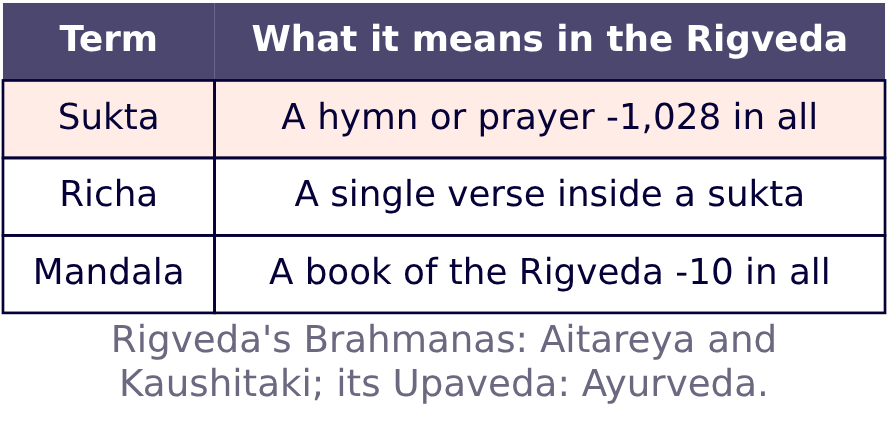 Richa is the tempting option because it is genuinely Vedic, but a richa is a single verse inside a sukta, not the prayer as a whole; shloka and kavya belong to later classical Sanskrit poetry.
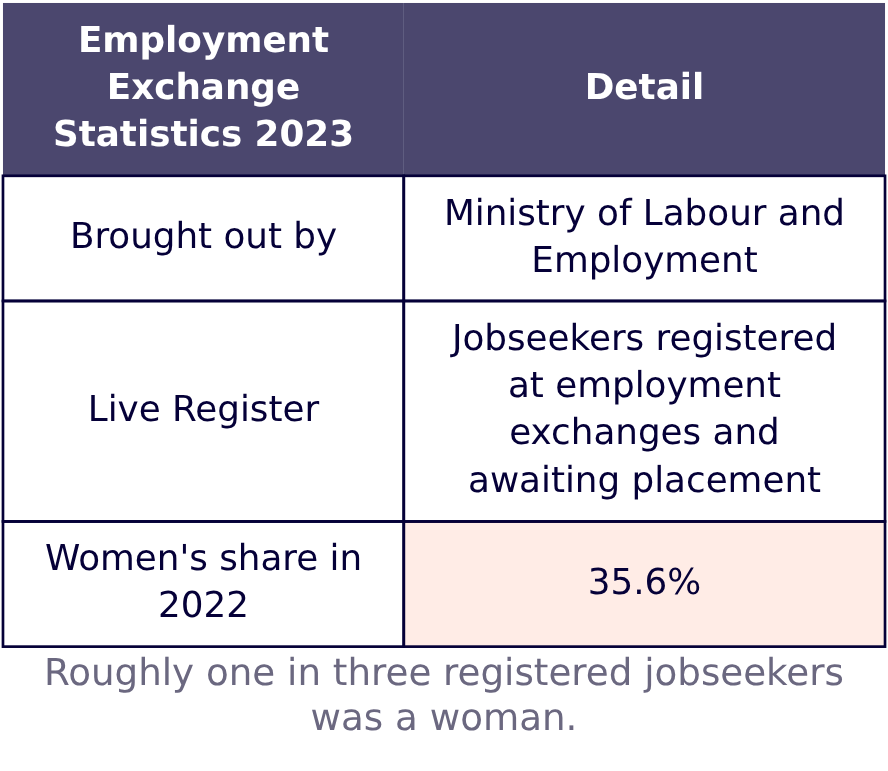 50% and 33% are round numbers that no survey ever lands on exactly, and 35.9% is placed next to the answer to punish half-remembering - fix the digit 6 with the phrase 'a little over a third'.
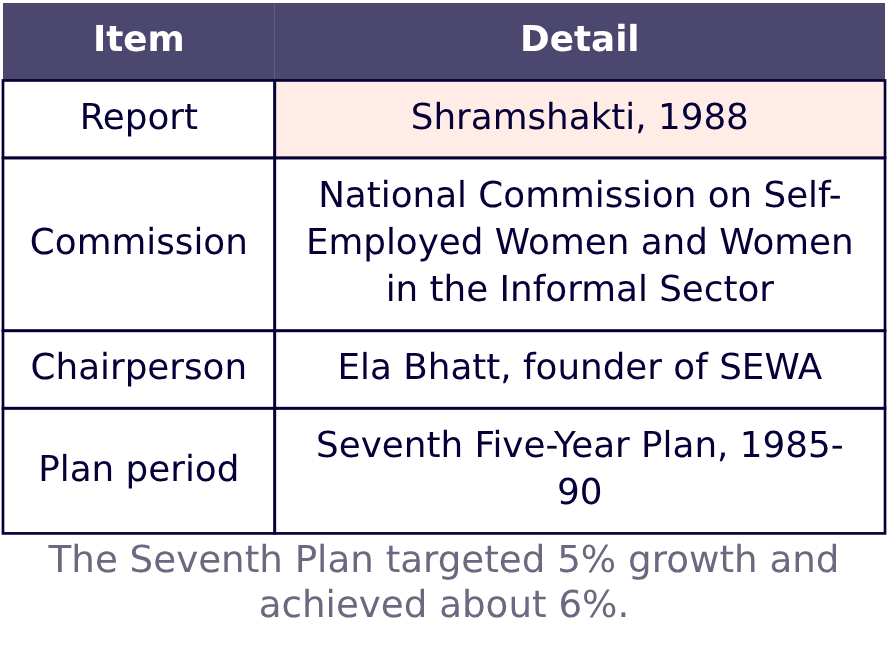 The other three titles are invented echoes of familiar scheme names; only Shramshakti, literally 'labour power', names the workers the Commission was set up to study.