
1
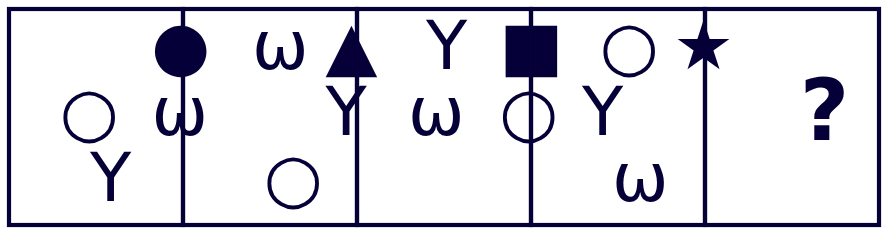
Select the figure from among the given options that can replace the question mark (?) in the following series.
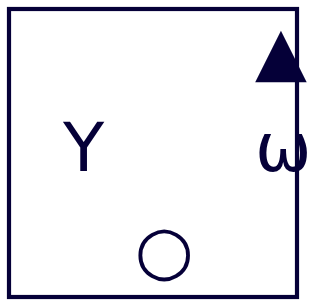
- A.
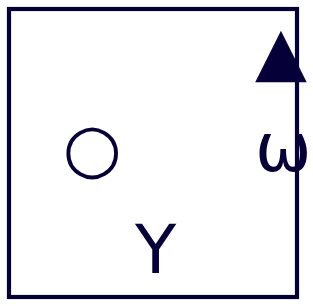
- B.
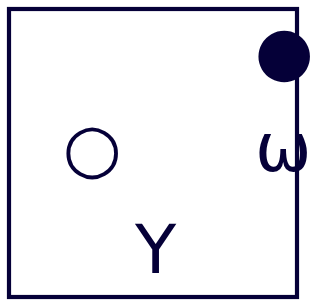
- C.
- D.
Solution
Figure series
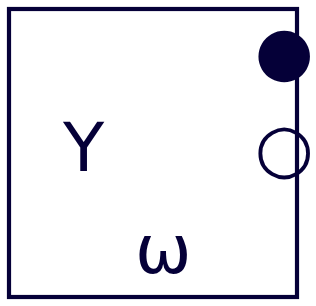
Each box carries a solid corner symbol at the top right and three symbols ω, ○ and Y placed in four fixed spots - top-centre, mid-right, bottom-centre and mid-left - one of which is always empty.
Track those four spots from one box to the next.
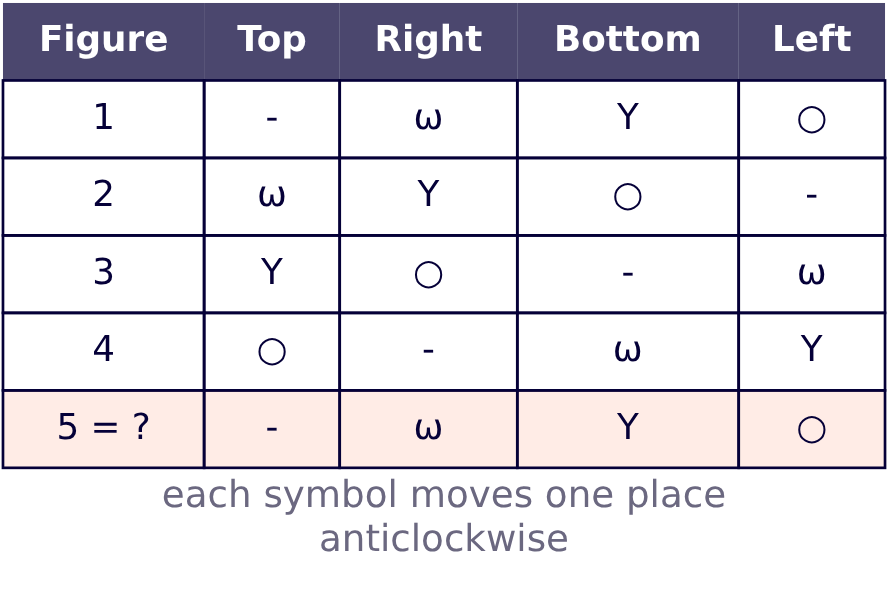 Every symbol, and the empty spot as well, moves one place anticlockwise at each step, so the whole arrangement repeats after four boxes.
Box 5 must therefore look like box 1: ○ at mid-left, ω at mid-right, Y at bottom-centre and the top-centre spot empty.
The corner symbol runs ●, ▲, ■, ★ and comes back to ● in the fifth box.
Every symbol, and the empty spot as well, moves one place anticlockwise at each step, so the whole arrangement repeats after four boxes.
Box 5 must therefore look like box 1: ○ at mid-left, ω at mid-right, Y at bottom-centre and the top-centre spot empty.
The corner symbol runs ●, ▲, ■, ★ and comes back to ● in the fifth box.
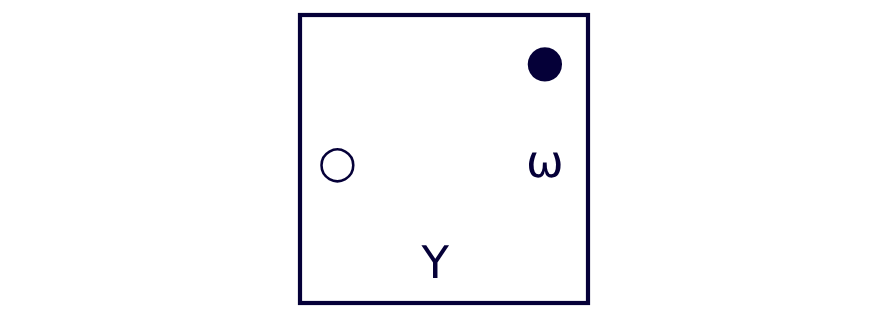 Hence option (c) is the answer.
Every symbol, and the empty spot as well, moves one place anticlockwise at each step, so the whole arrangement repeats after four boxes.
Box 5 must therefore look like box 1: ○ at mid-left, ω at mid-right, Y at bottom-centre and the top-centre spot empty.
The corner symbol runs ●, ▲, ■, ★ and comes back to ● in the fifth box.
Hence option (c) is the answer.
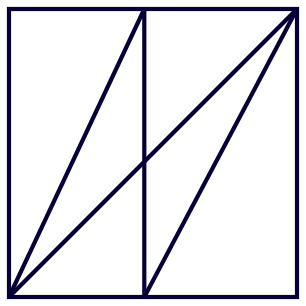
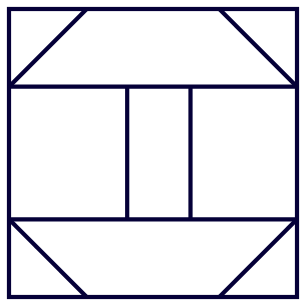
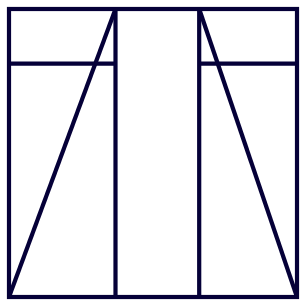
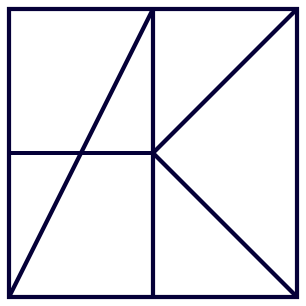
 Hence option (b) is the answer.
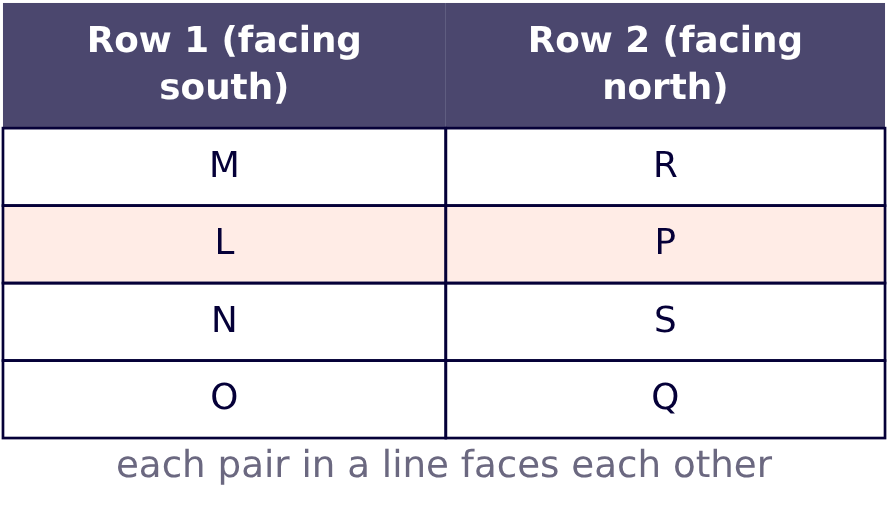 The facing pairs are M-R, L-P, N-S and O-Q.
Hence option (b) is the answer.
The facing pairs are M-R, L-P, N-S and O-Q.
Hence option (b) is the answer.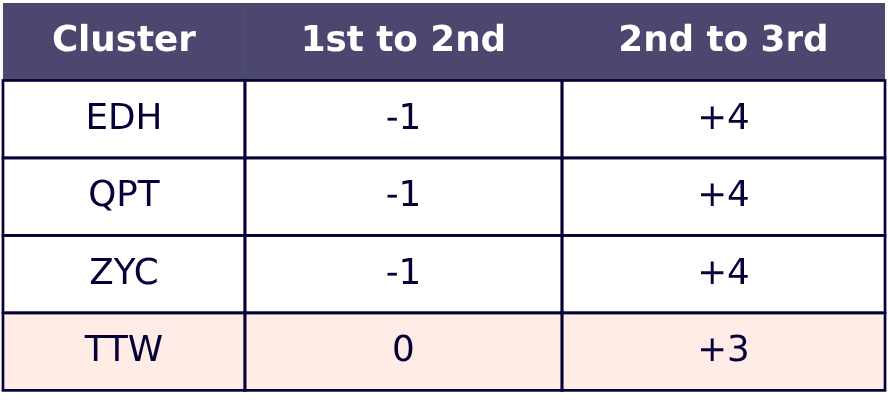 TTW moves 0 and then +3, which breaks the pattern.
Hence option (b) is the answer.
TTW moves 0 and then +3, which breaks the pattern.
Hence option (b) is the answer.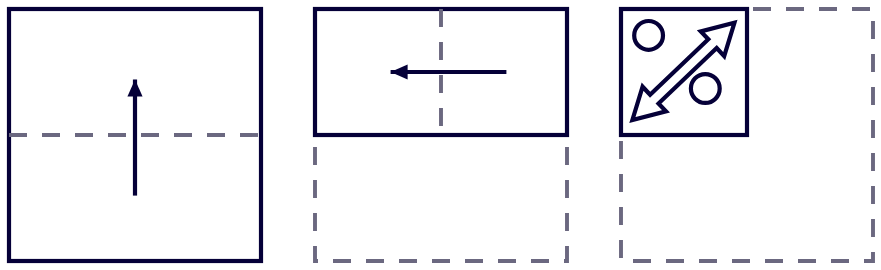
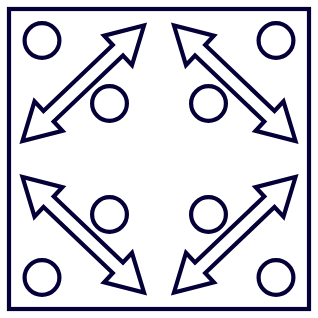
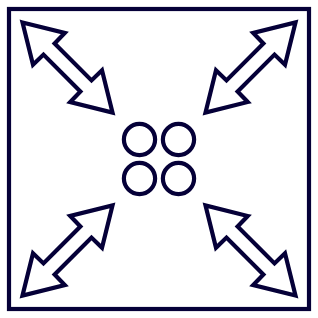
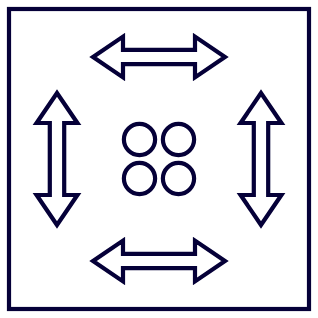
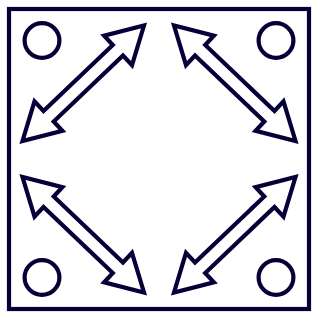
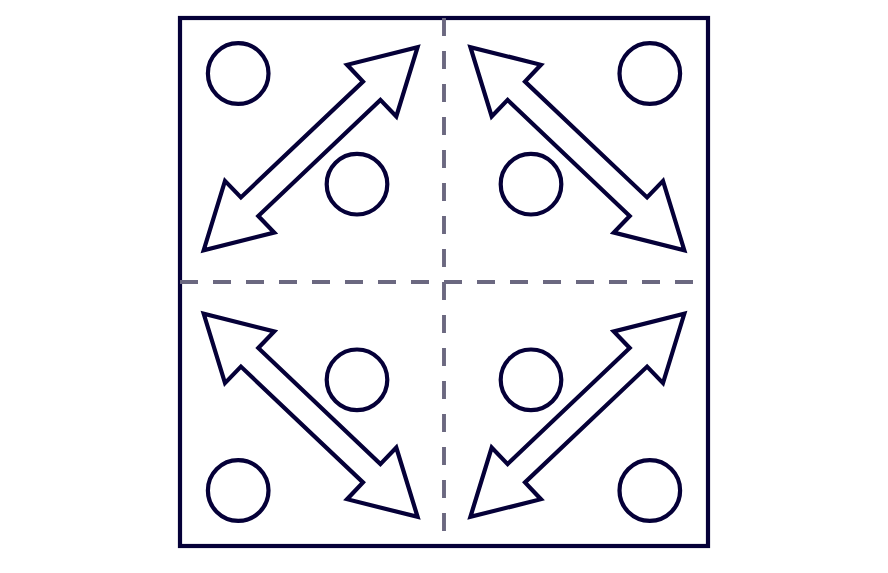 So each quarter must show the double-headed slanting arrow and both small circles, with the arrow leaning the opposite way in the neighbouring quarters and the circles always in the outer corner and near the centre.
Only option (a) has all four quarters and both circles in every quarter; (d) loses one circle from each quarter, while (b) and (c) put the circles together in the middle.
Hence option (a) is the answer.
So each quarter must show the double-headed slanting arrow and both small circles, with the arrow leaning the opposite way in the neighbouring quarters and the circles always in the outer corner and near the centre.
Only option (a) has all four quarters and both circles in every quarter; (d) loses one circle from each quarter, while (b) and (c) put the circles together in the middle.
Hence option (a) is the answer. Missing term =147+14=161.
Hence option (b) is the answer.
Missing term =147+14=161.
Hence option (b) is the answer.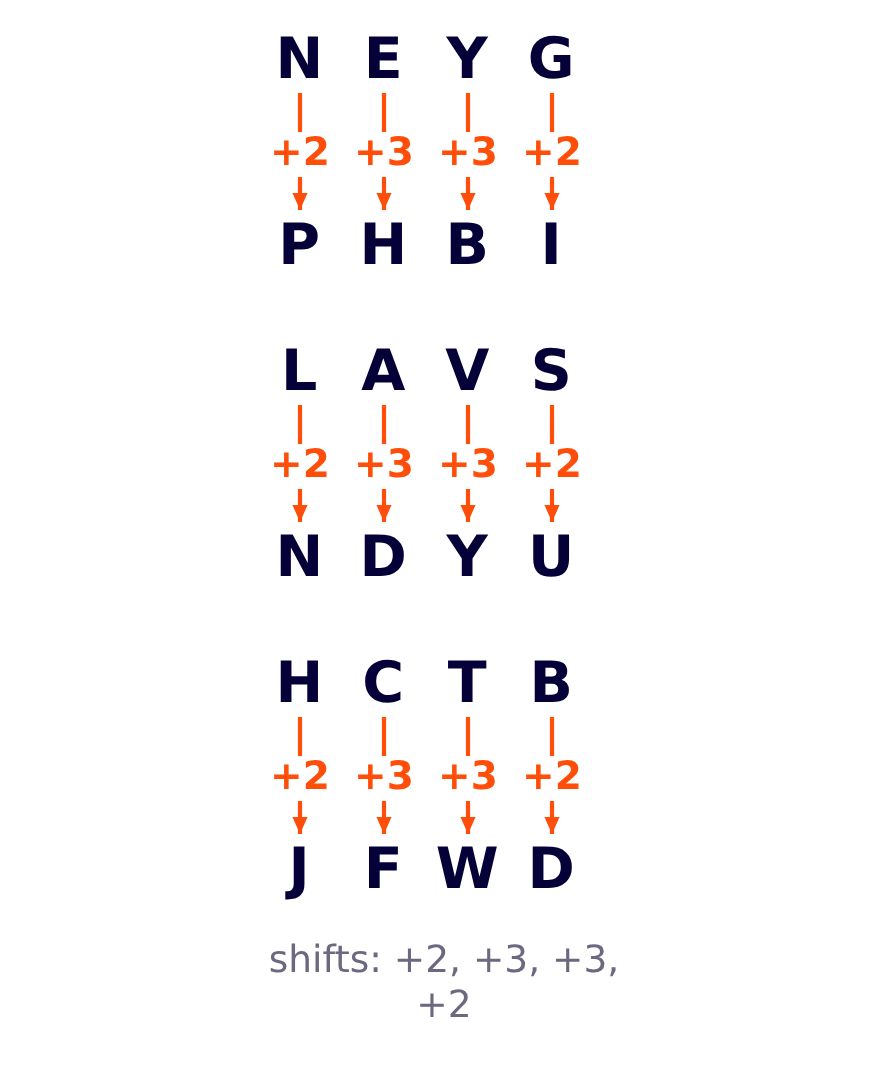 Applying +2, +3, +3, +2 to HCTB gives H to J, C to F, T to W and B to D, that is JFWD.
Hence option (a) is the answer.
Applying +2, +3, +3, +2 to HCTB gives H to J, C to F, T to W and B to D, that is JFWD.
Hence option (a) is the answer.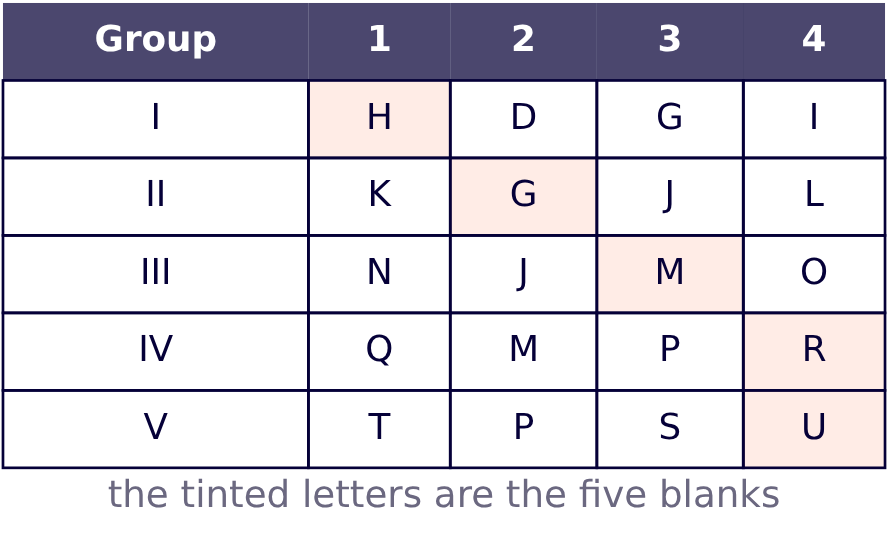 The blanks are therefore H, G, M, R and U, giving HGMRU.
Hence option (a) is the answer.
The blanks are therefore H, G, M, R and U, giving HGMRU.
Hence option (a) is the answer.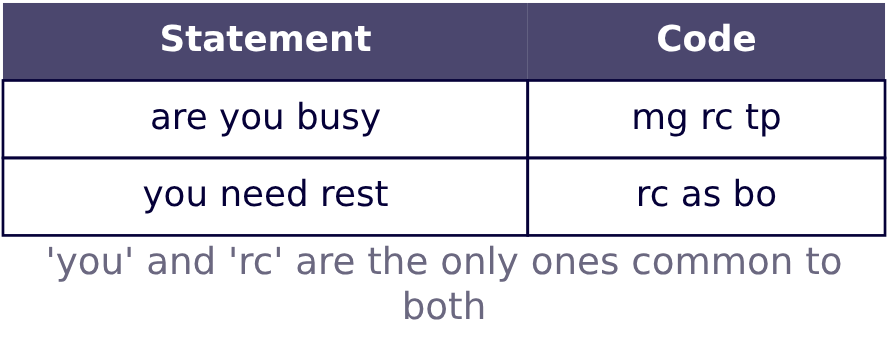 The only word common to both statements is 'you', and the only code common to both code groups is 'rc'.
A common word must carry the common code, so 'you' is coded as 'rc'.
Hence option (a) is the answer.
The only word common to both statements is 'you', and the only code common to both code groups is 'rc'.
A common word must carry the common code, so 'you' is coded as 'rc'.
Hence option (a) is the answer.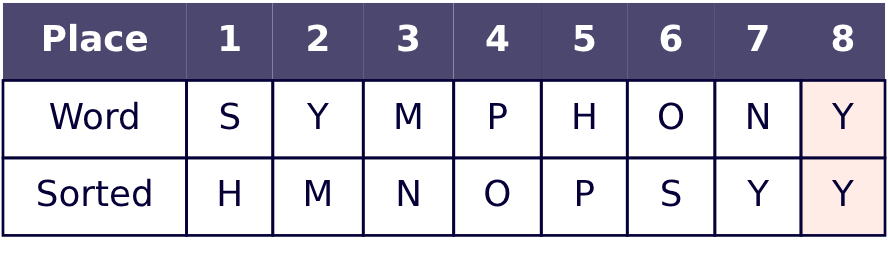 Only the eighth place holds the same letter Y in both.
Hence option (d) is the answer.
Only the eighth place holds the same letter Y in both.
Hence option (d) is the answer.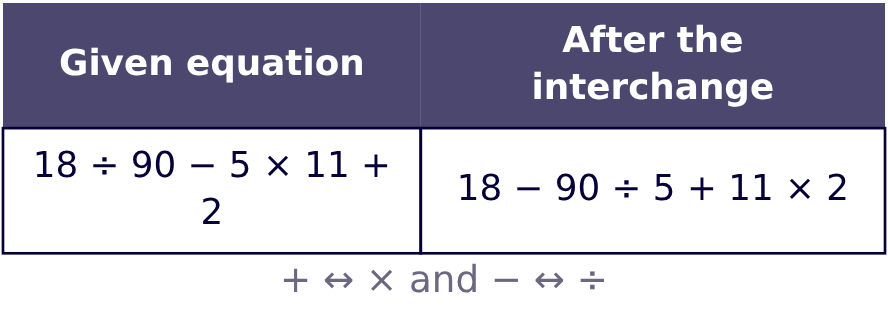 So the expression to be evaluated is .
By BODMAS, divide and multiply first: and .
=18-18+22
=22
Hence option (c) is the answer.
So the expression to be evaluated is .
By BODMAS, divide and multiply first: and .
=18-18+22
=22
Hence option (c) is the answer.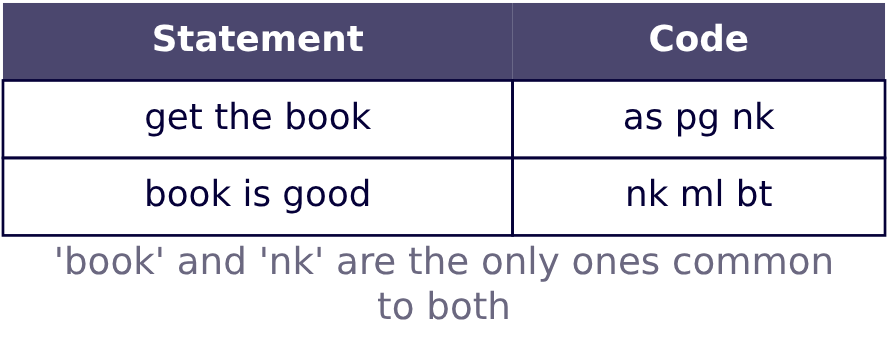 The only word repeated in both statements is 'book' and the only code repeated in both code groups is 'nk'.
Therefore 'book' is coded as 'nk'.
Hence option (d) is the answer.
The only word repeated in both statements is 'book' and the only code repeated in both code groups is 'nk'.
Therefore 'book' is coded as 'nk'.
Hence option (d) is the answer.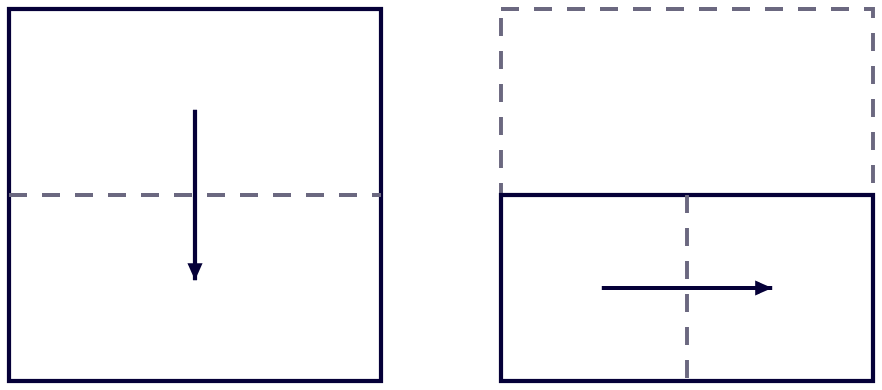
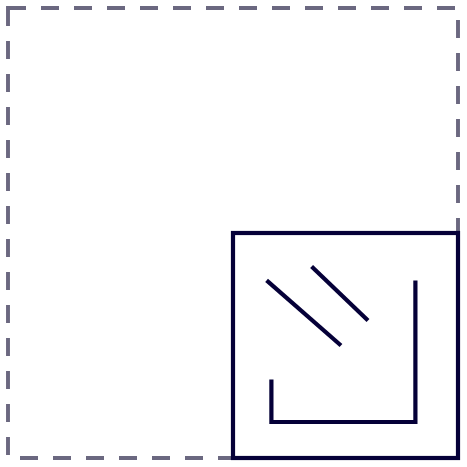
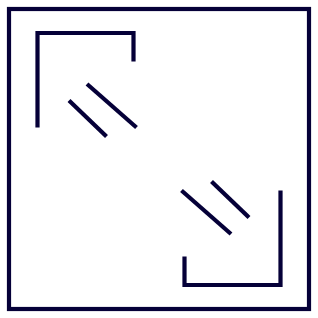
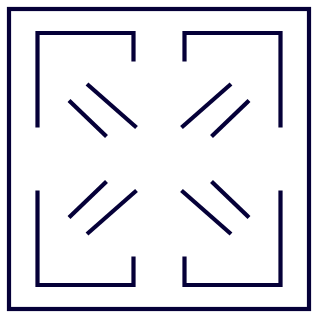
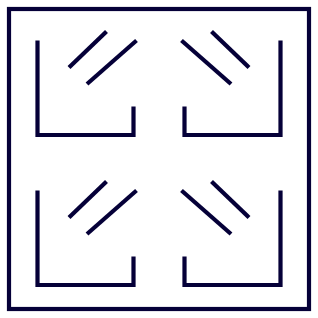
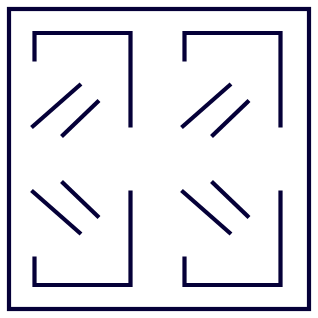
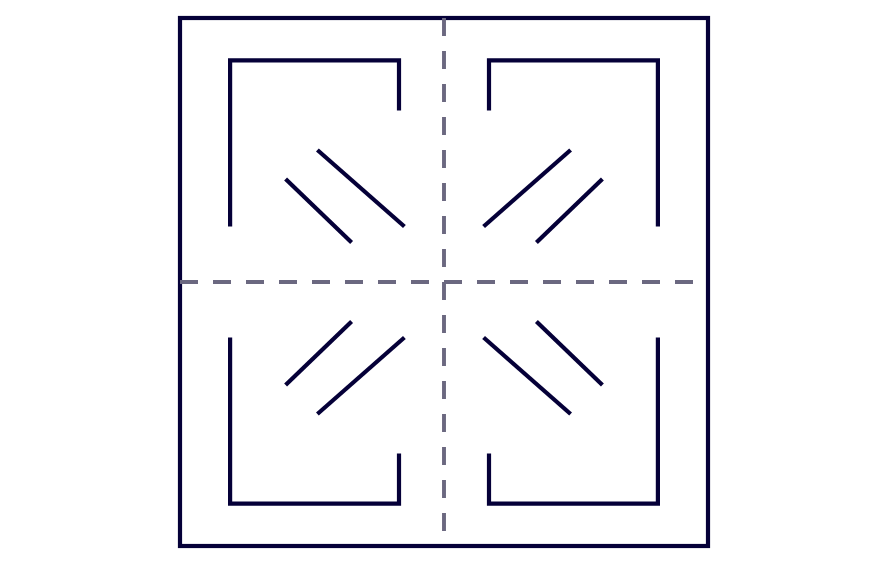 So all four quarters must carry the mark, the bracket must open towards the centre of the sheet in every quarter, and the two short strokes must always lean towards the centre.
Option (a) shows the mark in only two quarters. In option (c) all four brackets open upwards and in option (d) the left and right quarters are not mirror images, so neither fold is undone correctly.
Hence option (b) is the answer.
So all four quarters must carry the mark, the bracket must open towards the centre of the sheet in every quarter, and the two short strokes must always lean towards the centre.
Option (a) shows the mark in only two quarters. In option (c) all four brackets open upwards and in option (d) the left and right quarters are not mirror images, so neither fold is undone correctly.
Hence option (b) is the answer.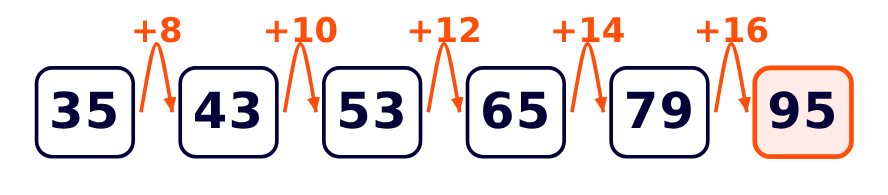 Missing term =79+16=95.
Hence option (a) is the answer.
Missing term =79+16=95.
Hence option (a) is the answer.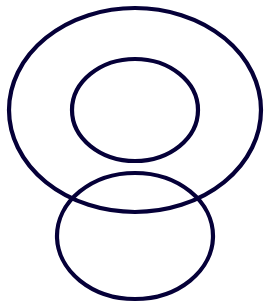
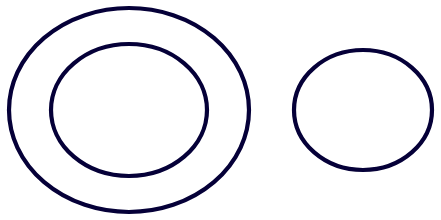
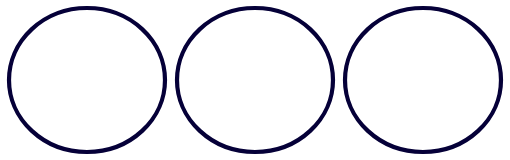
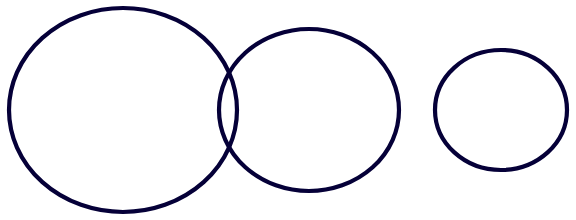
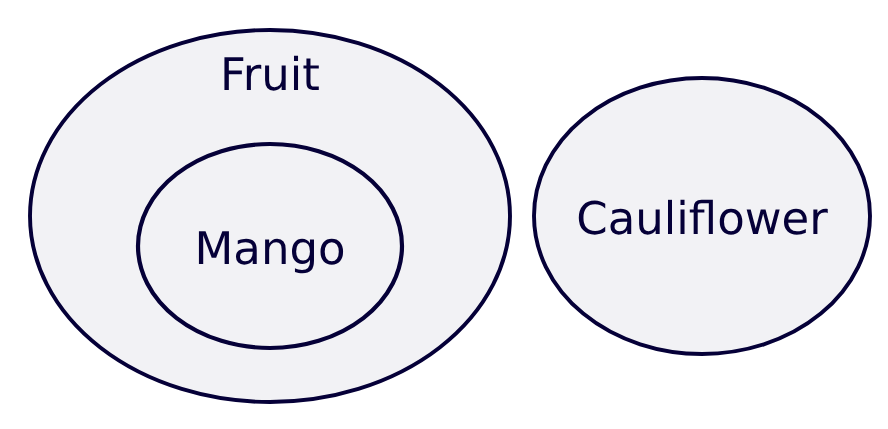 The diagram needed is therefore one small circle inside a large circle, with a third circle drawn separately.
Hence option (b) is the answer.
The diagram needed is therefore one small circle inside a large circle, with a third circle drawn separately.
Hence option (b) is the answer.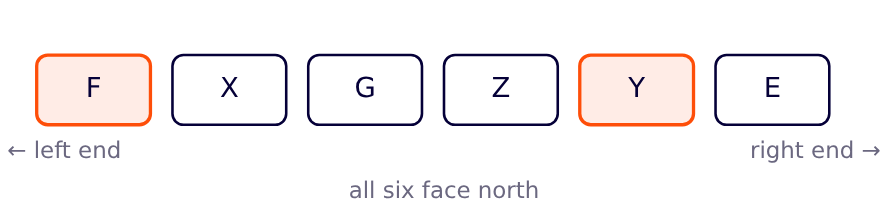 Between F (seat 1) and Y (seat 5) sit X, G and Z, i.e. three people.
Hence option (a) is the answer.
Between F (seat 1) and Y (seat 5) sit X, G and Z, i.e. three people.
Hence option (a) is the answer.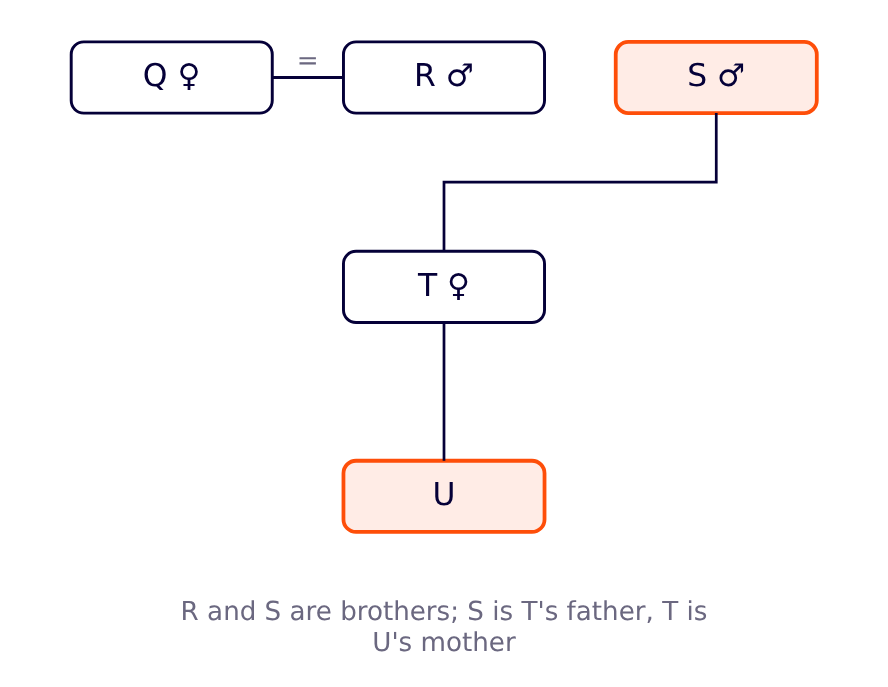 So U is the child of T and T is the daughter of S; therefore S is the father of U's mother.
Hence S is U's mother's father, and option (c) is the answer.
So U is the child of T and T is the daughter of S; therefore S is the father of U's mother.
Hence S is U's mother's father, and option (c) is the answer.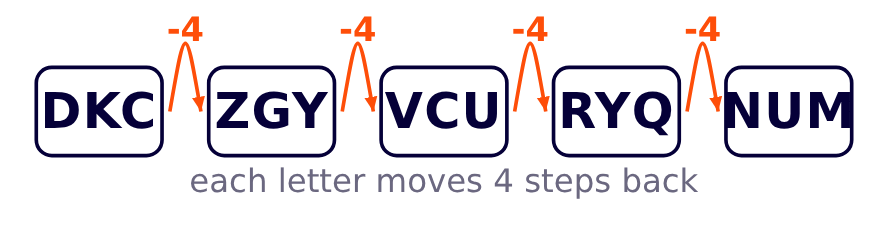 So the missing term is ZGY with each letter moved back 4: Z-4 = V, G-4 = C, Y-4 = U, that is VCU (and VCU-4 = RYQ, which checks out).
Hence option (d) is the answer.
So the missing term is ZGY with each letter moved back 4: Z-4 = V, G-4 = C, Y-4 = U, that is VCU (and VCU-4 = RYQ, which checks out).
Hence option (d) is the answer.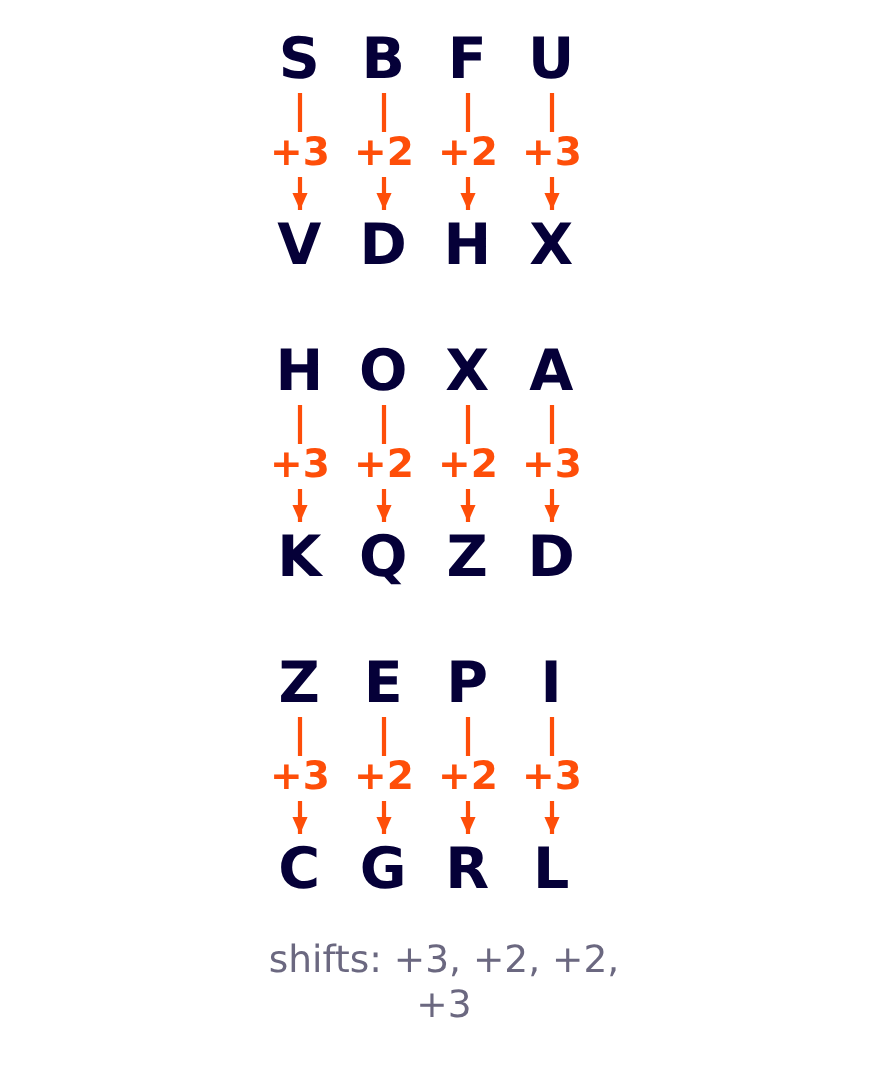 Apply +3, +2, +2, +3 to ZEPI: Z to C (Z, A, B, C), E to G, P to R and I to L.
The required cluster is CGRL.
Hence option (a) is the answer.
Apply +3, +2, +2, +3 to ZEPI: Z to C (Z, A, B, C), E to G, P to R and I to L.
The required cluster is CGRL.
Hence option (a) is the answer.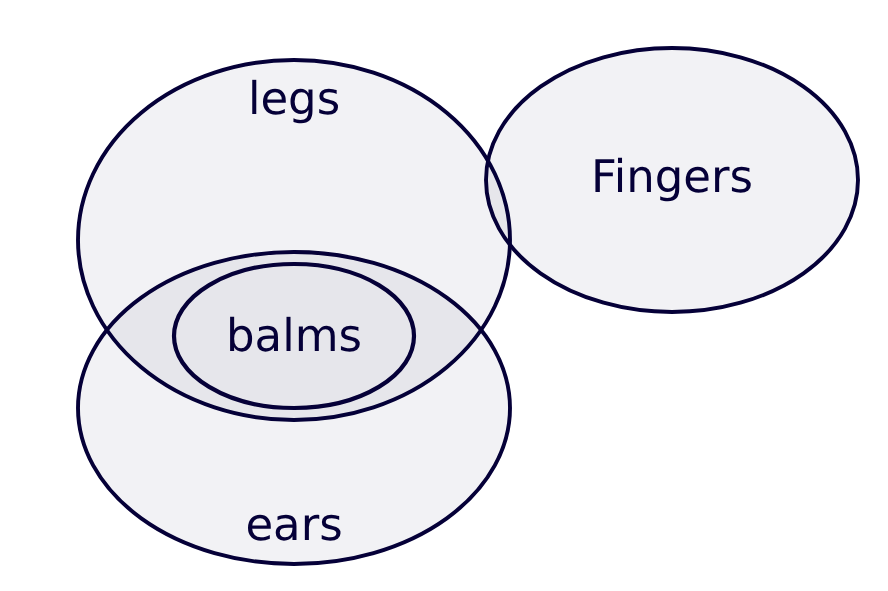 Conclusion (I): some fingers are balms - the diagram shows a case with no finger inside balms, so it does not follow.
Conclusion (II): some legs are ears - every balm is both a leg and an ear, and balms do exist, so this part of legs is certainly ears; it follows.
Hence option (a) is the answer.
Conclusion (I): some fingers are balms - the diagram shows a case with no finger inside balms, so it does not follow.
Conclusion (II): some legs are ears - every balm is both a leg and an ear, and balms do exist, so this part of legs is certainly ears; it follows.
Hence option (a) is the answer.