
1
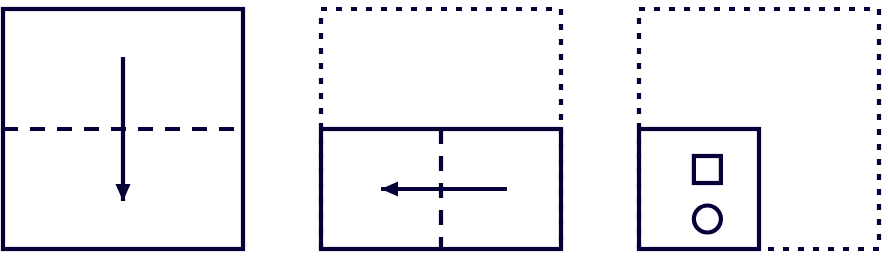
A paper is folded and cut as shown below. How will it appear when unfolded?
- A.

- B.
- C.
- D.
Solution
Paper folding and cutting
The sheet is folded twice, so it opens into 4 equal quarters and every cut is repeated 4 times.
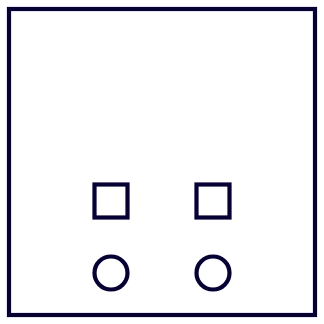
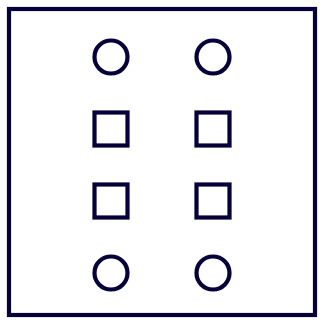
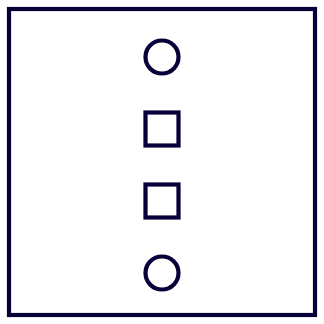
One square and one circle are cut, so the open sheet must carry 4 squares and 4 circles, that is 8 marks.
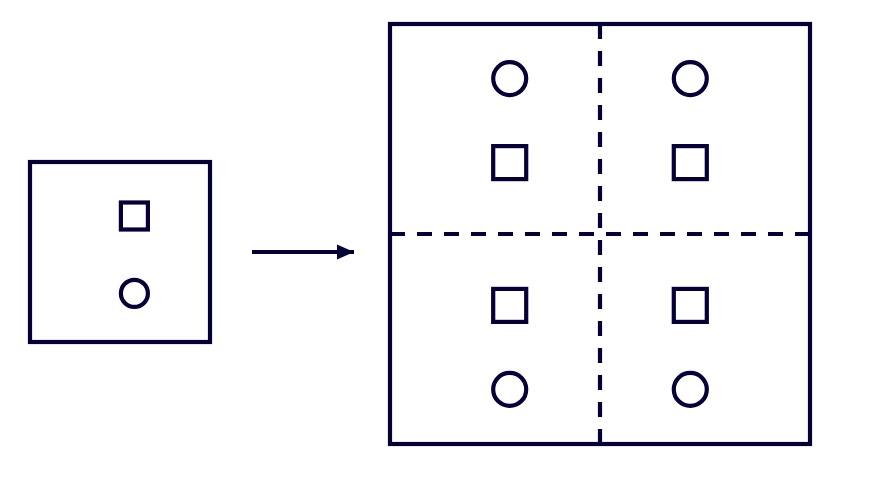 Opening the vertical fold copies the pair from the left half to the right half, and opening the horizontal fold copies the bottom half to the top half.
Read down either column and the marks come as circle, square, square, circle, which is option (c).
Opening the vertical fold copies the pair from the left half to the right half, and opening the horizontal fold copies the bottom half to the top half.
Read down either column and the marks come as circle, square, square, circle, which is option (c).
Opening the vertical fold copies the pair from the left half to the right half, and opening the horizontal fold copies the bottom half to the top half.
Read down either column and the marks come as circle, square, square, circle, which is option (c).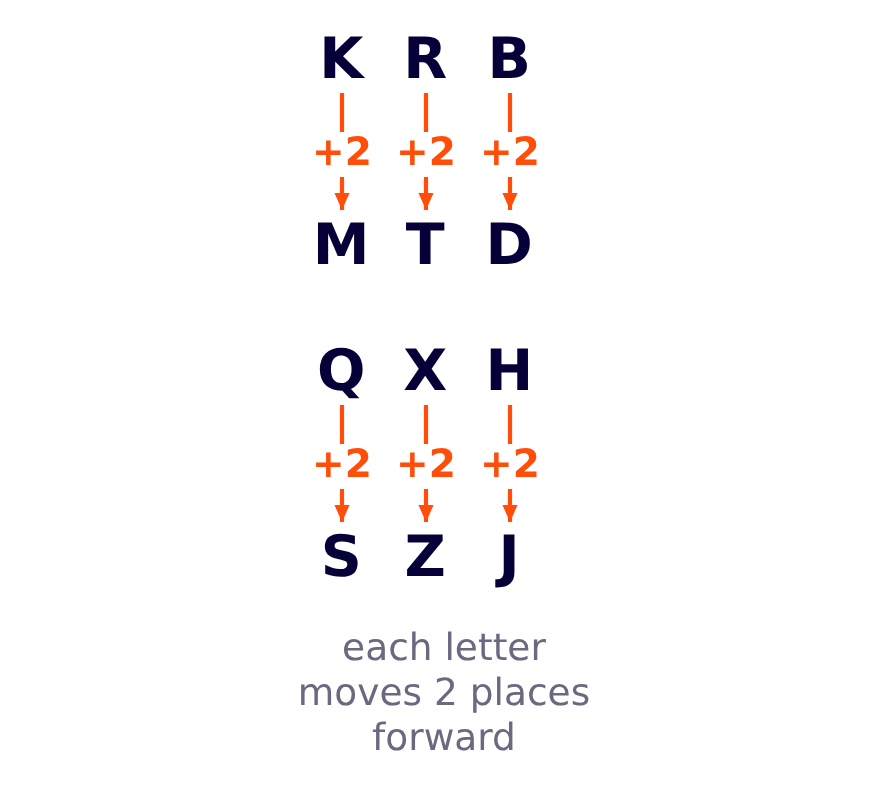 First place: K, M, O, Q, S. Second place: R, T, V, X, Z. Third place: B, D, F, H, J.
So the cluster after QXH is SZJ, option (c).
First place: K, M, O, Q, S. Second place: R, T, V, X, Z. Third place: B, D, F, H, J.
So the cluster after QXH is SZJ, option (c).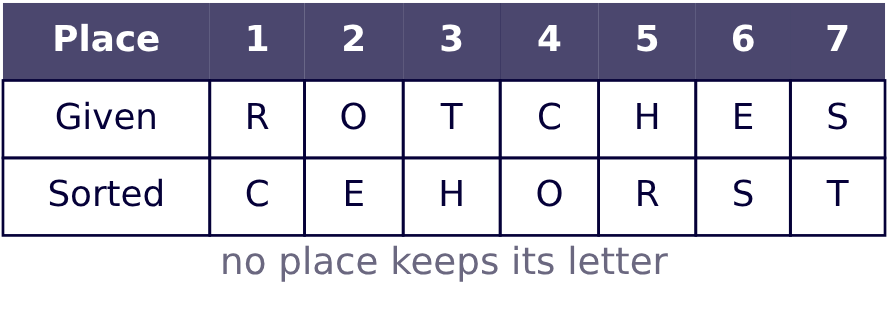 Place by place the pairs are R-C, O-E, T-H, C-O, H-R, E-S and S-T, and none of them match.
So zero letters keep their position, option (b).
Place by place the pairs are R-C, O-E, T-H, C-O, H-R, E-S and S-T, and none of them match.
So zero letters keep their position, option (b).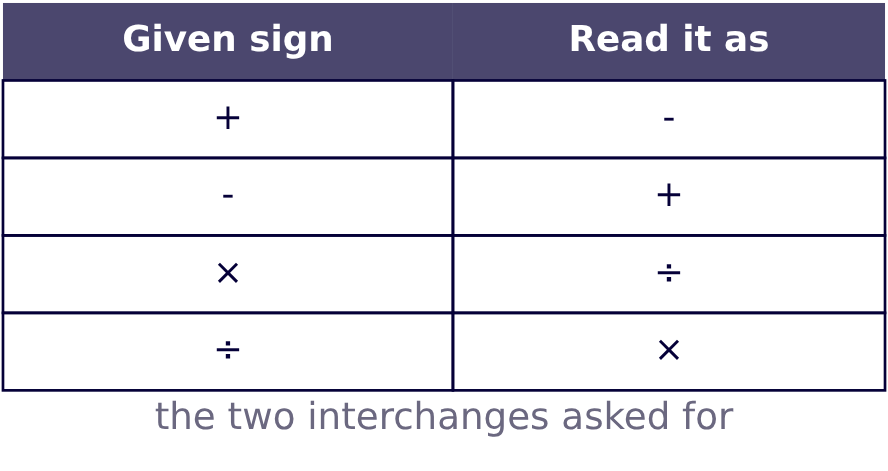 The expression becomes .
=16+16-18
=14, so option (b) is correct.
The expression becomes .
=16+16-18
=14, so option (b) is correct.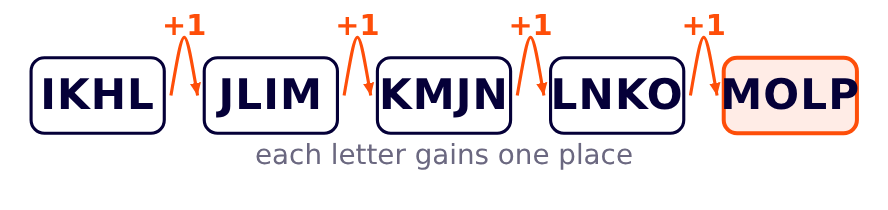 In every place of the group the letter moves one step forward: I, J, K, L, M then K, L, M, N, O then H, I, J, K, L then L, M, N, O, P.
Filling the blanks in order gives I, L, J, O, P, that is ILJOP, option (c).
In every place of the group the letter moves one step forward: I, J, K, L, M then K, L, M, N, O then H, I, J, K, L then L, M, N, O, P.
Filling the blanks in order gives I, L, J, O, P, that is ILJOP, option (c).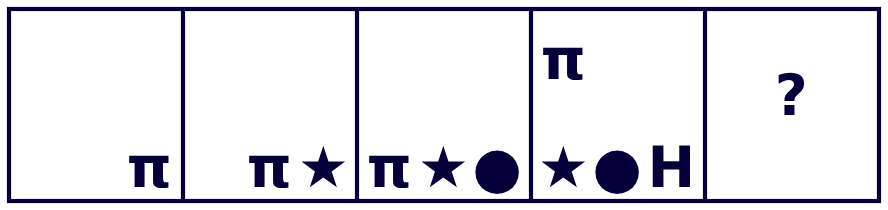
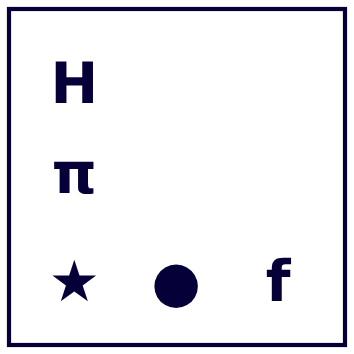
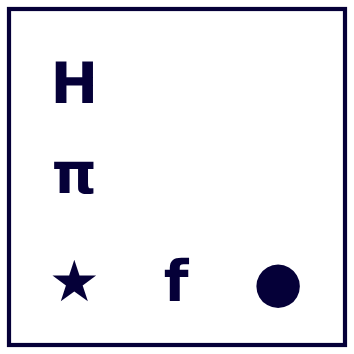
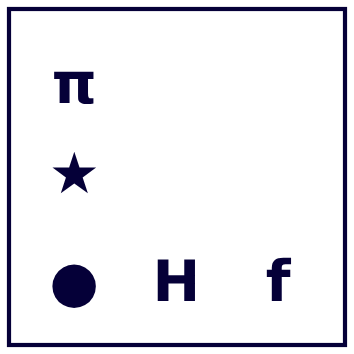
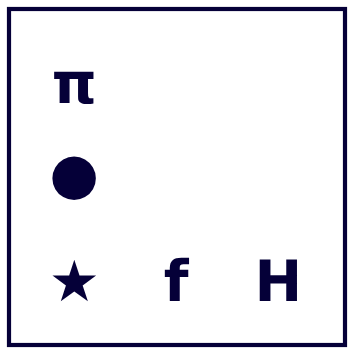
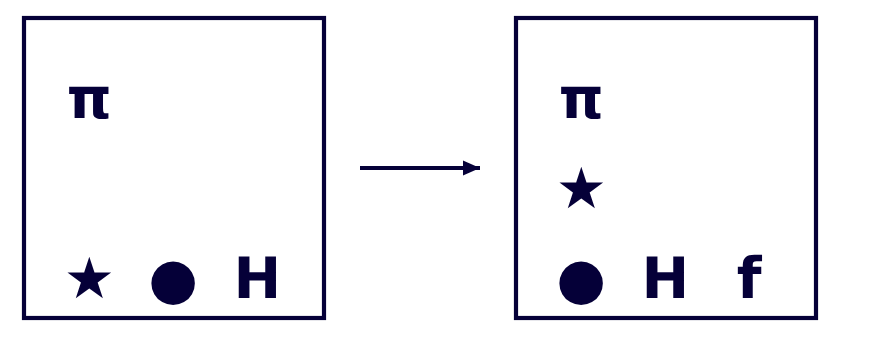 So f joins the fourth frame, the bottom row becomes dot, H, f, the star climbs up and pi keeps the top place.
That is exactly the figure in option (c).
So f joins the fourth frame, the bottom row becomes dot, H, f, the star climbs up and pi keeps the top place.
That is exactly the figure in option (c).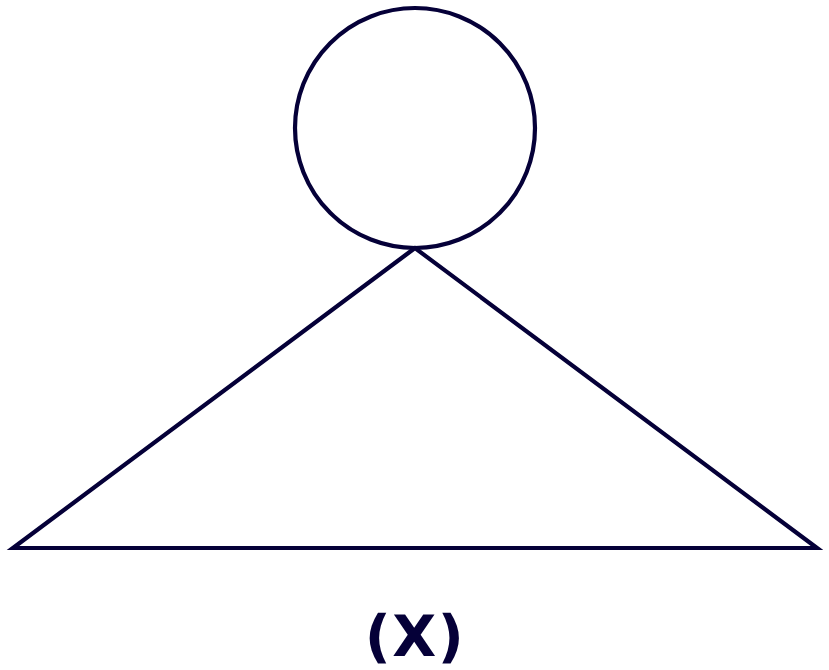
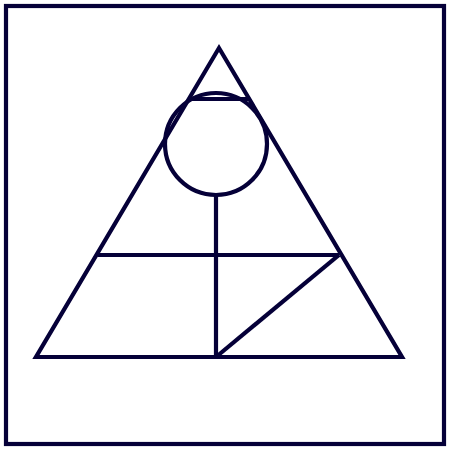
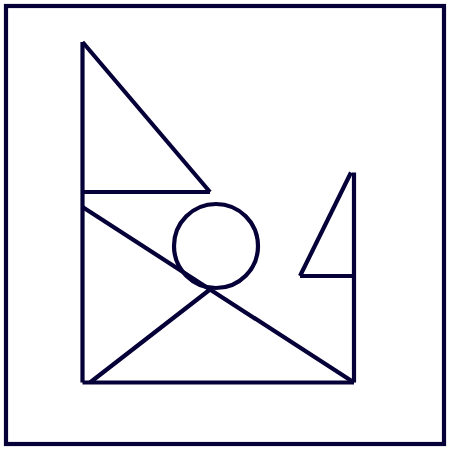
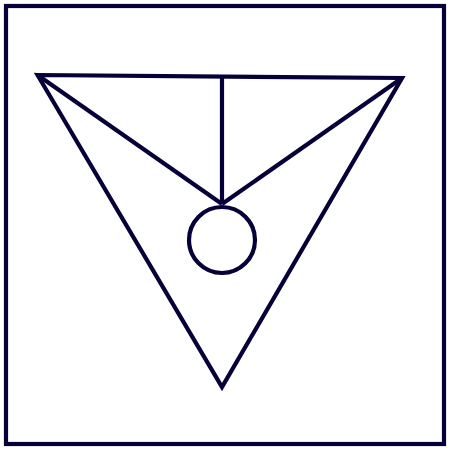
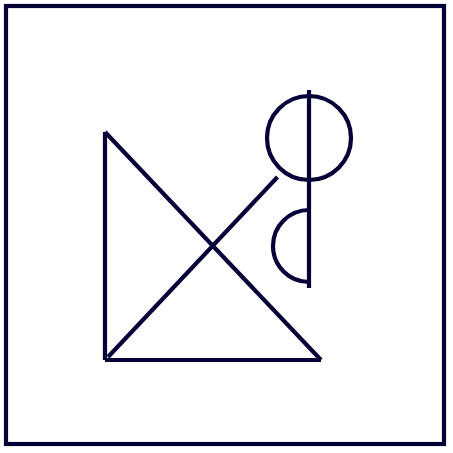
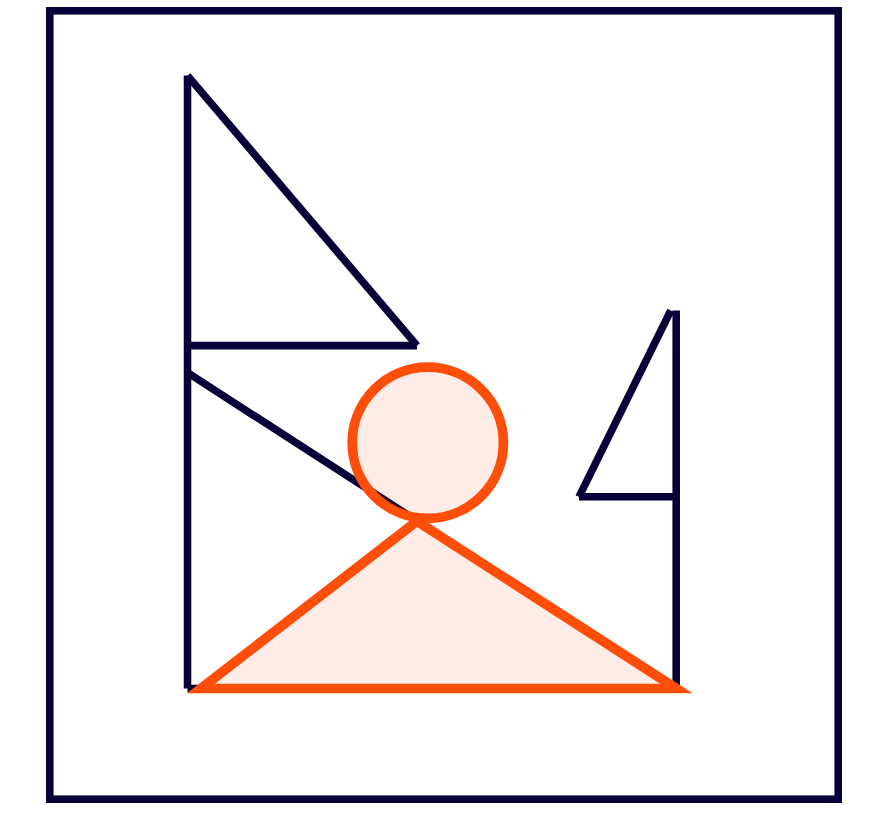 In option (b) the two slanting lines that meet just under the circle, together with the bottom edge, form that very triangle, and the circle sits on its apex.
In option (a) the circle lies inside the triangle, in option (c) the triangle points downwards and in option (d) the circle stands apart from any triangle.
Hence option (b) is correct.
In option (b) the two slanting lines that meet just under the circle, together with the bottom edge, form that very triangle, and the circle sits on its apex.
In option (a) the circle lies inside the triangle, in option (c) the triangle points downwards and in option (d) the circle stands apart from any triangle.
Hence option (b) is correct.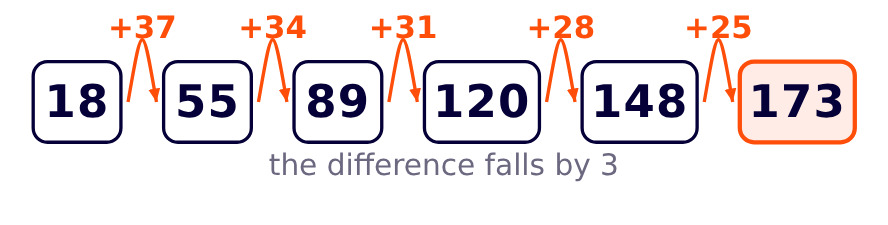 The differences themselves drop by 3, so the next difference is 28-3=25.
148+25=173, so option (c) is correct.
The differences themselves drop by 3, so the next difference is 28-3=25.
148+25=173, so option (c) is correct.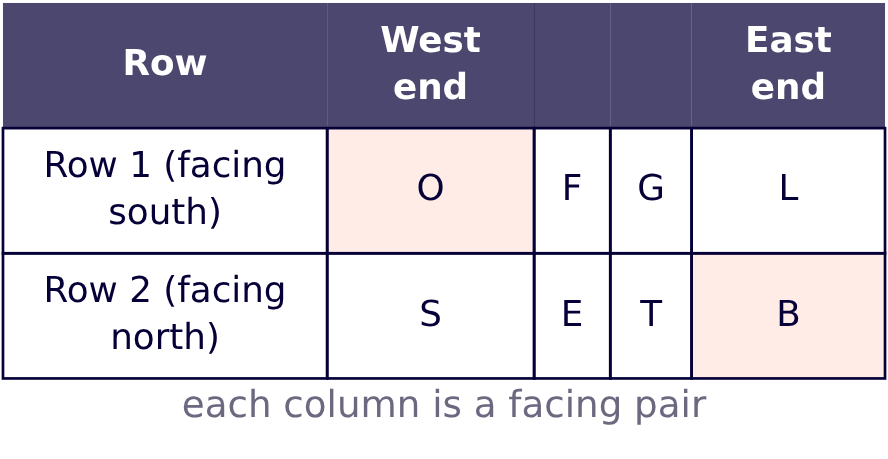 The person facing E sits second to the right of L, that is two seats west of L, so E faces that seat and B is left with the east end of row 2.
O sits second to the right of G, which puts G third and O first from the west in row 1, leaving F in between.
The extreme ends are O and L in row 1 and S and B in row 2, and the pair offered is O and B, option (b).
The person facing E sits second to the right of L, that is two seats west of L, so E faces that seat and B is left with the east end of row 2.
O sits second to the right of G, which puts G third and O first from the west in row 1, leaving F in between.
The extreme ends are O and L in row 1 and S and B in row 2, and the pair offered is O and B, option (b).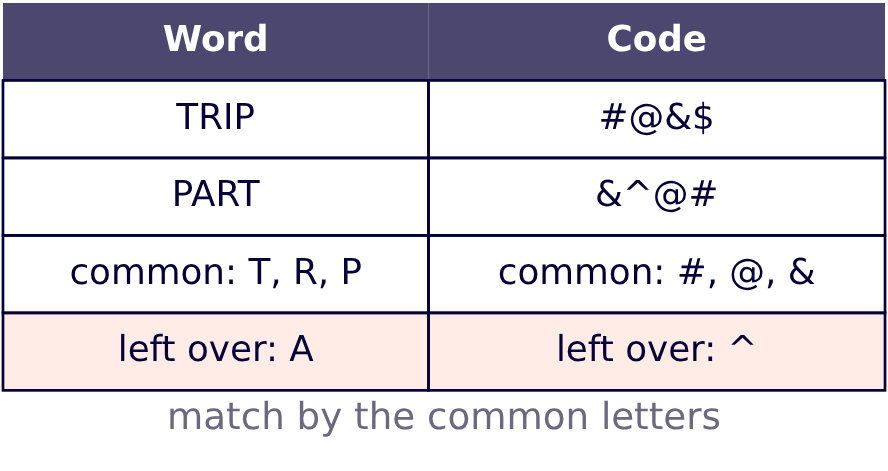 T, R and P appear in both words and #, @ and & appear in both codes, so those three symbols belong to those three letters.
The only letter left in PART is A and the only symbol left in its code is ^.
So A is coded as ^, option (c).
T, R and P appear in both words and #, @ and & appear in both codes, so those three symbols belong to those three letters.
The only letter left in PART is A and the only symbol left in its code is ^.
So A is coded as ^, option (c).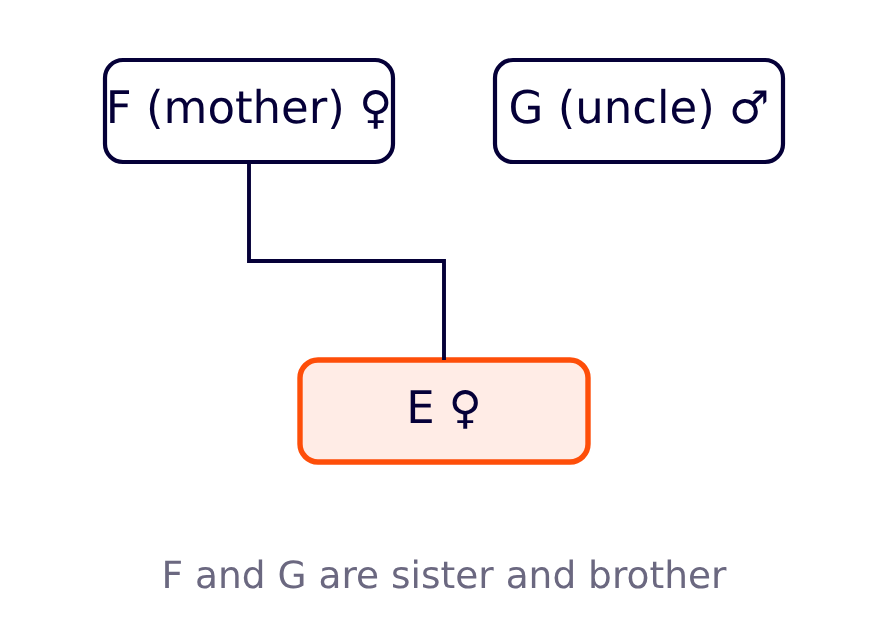 F is female and has a daughter E, so F is E's mother, and G is F's brother.
Therefore G is E's mother's brother, option (d).
F is female and has a daughter E, so F is E's mother, and G is F's brother.
Therefore G is E's mother's brother, option (d).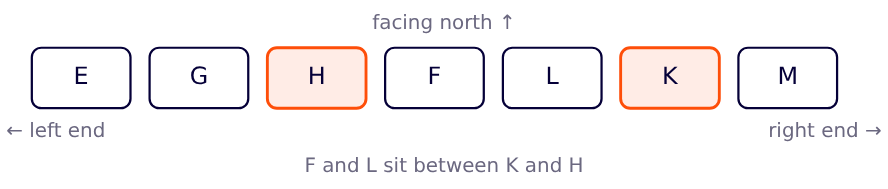 Between K in seat 6 and H in seat 3 sit F and L, that is two people, option (c).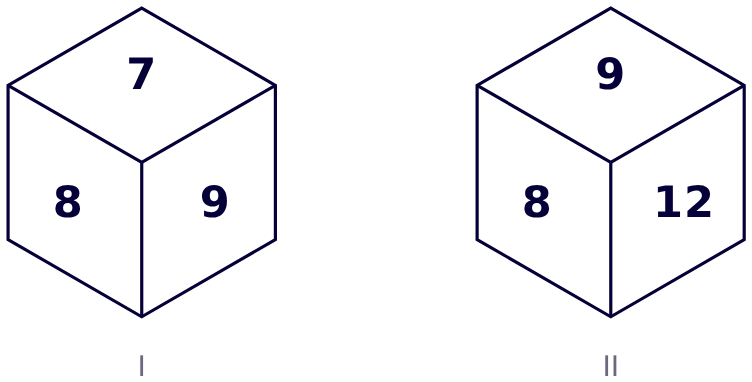
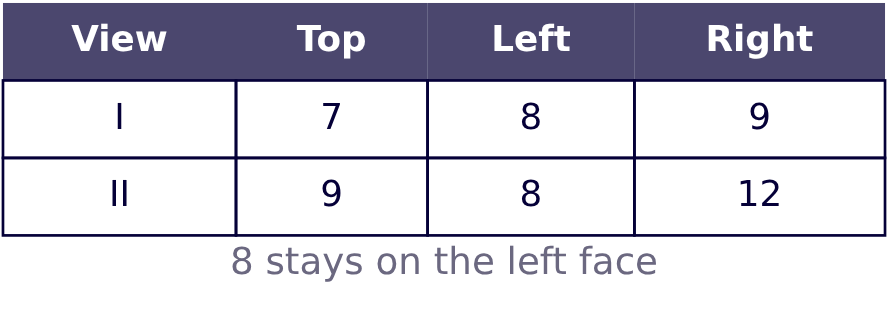 Such a turn moves the top, right, bottom and back faces round in a cycle, and 9 has moved from the right to the top.
So the face that came to the right in view II, 12, was the bottom face in view I.
Top and bottom are opposite faces, so 12 lies opposite 7, option (c).
Such a turn moves the top, right, bottom and back faces round in a cycle, and 9 has moved from the right to the top.
So the face that came to the right in view II, 12, was the bottom face in view I.
Top and bottom are opposite faces, so 12 lies opposite 7, option (c).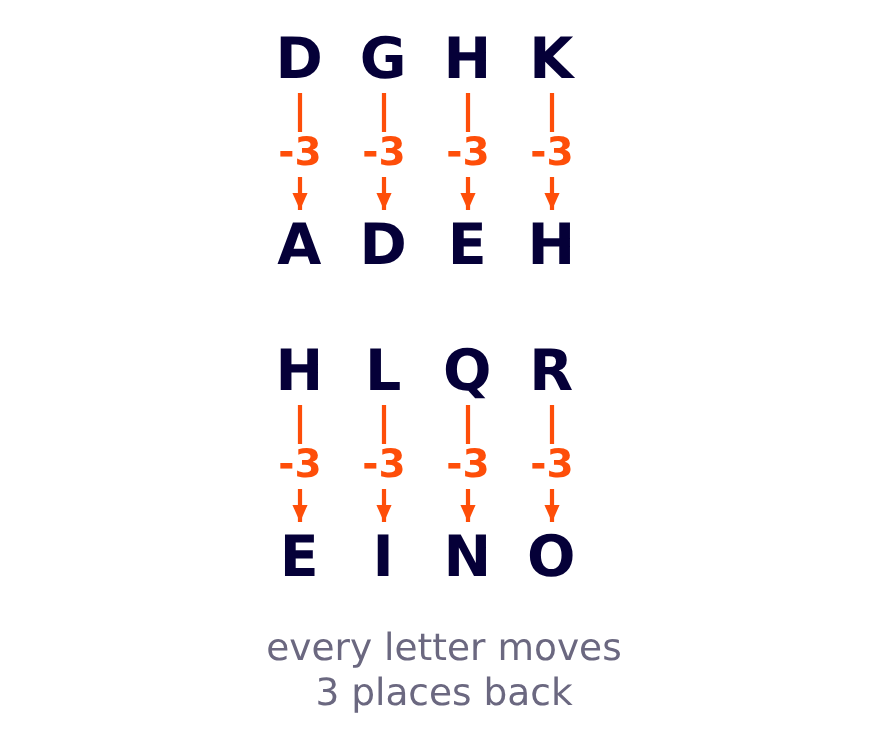 Apply it to HLQR: H to E, L to I, Q to N and R to O.
So HLQR is related to EINO, option (c).
Apply it to HLQR: H to E, L to I, Q to N and R to O.
So HLQR is related to EINO, option (c).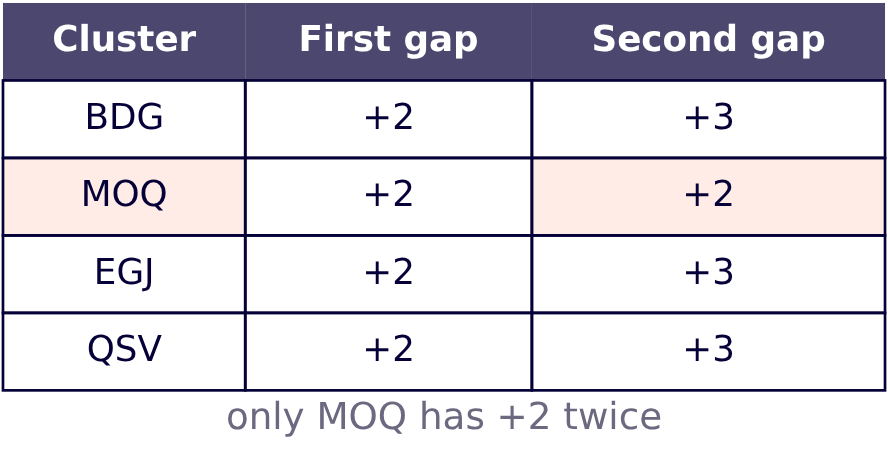 BDG, EGJ and QSV all run +2 then +3.
MOQ runs +2 then +2, so it does not belong to the group, option (b).
BDG, EGJ and QSV all run +2 then +3.
MOQ runs +2 then +2, so it does not belong to the group, option (b).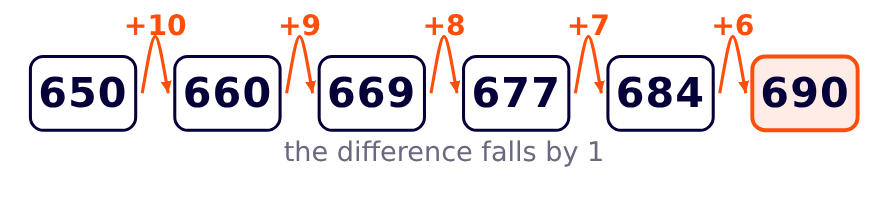 The difference falls by 1 each time, so the next difference is 6.
684+6=690, so option (d) is correct.
The difference falls by 1 each time, so the next difference is 6.
684+6=690, so option (d) is correct.
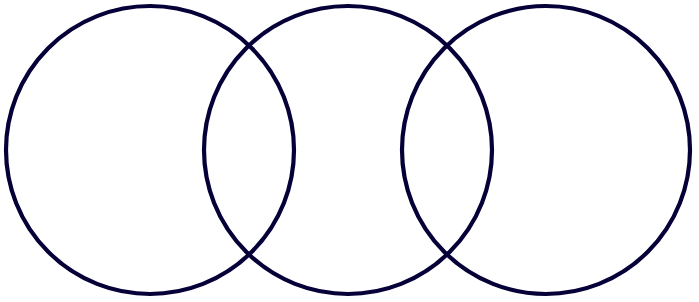

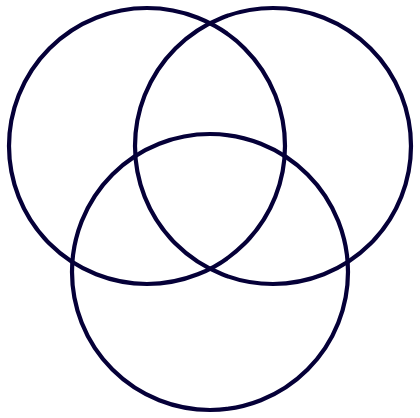
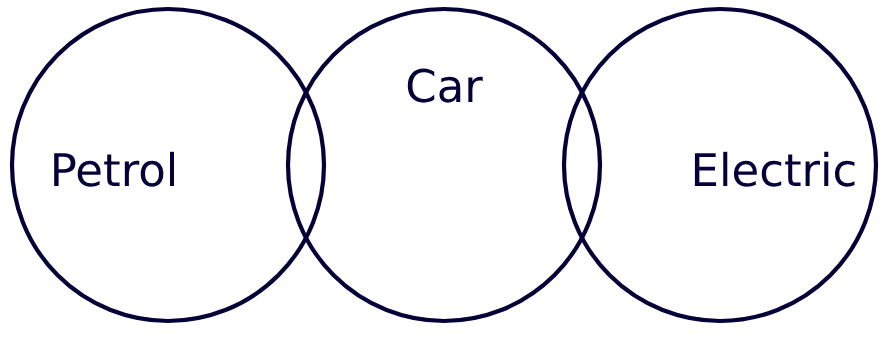 Only option (b) shows a middle circle cutting both outer circles while the outer circles never touch.
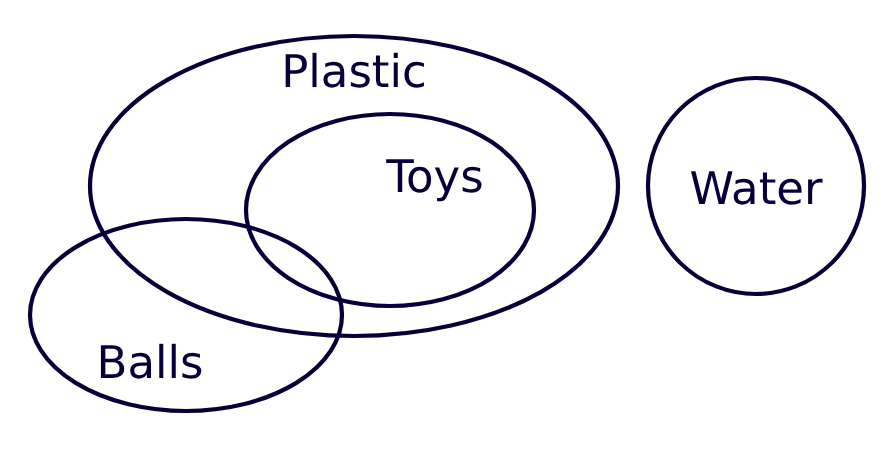 Some balls are toys and all toys lie inside plastic, so those balls are plastic as well; conclusion (I) follows.
All toys lie inside plastic and plastic and water are completely separate, so no toy can be water; conclusion (II) follows.
Both conclusions follow, so option (a) is correct.
Some balls are toys and all toys lie inside plastic, so those balls are plastic as well; conclusion (I) follows.
All toys lie inside plastic and plastic and water are completely separate, so no toy can be water; conclusion (II) follows.
Both conclusions follow, so option (a) is correct.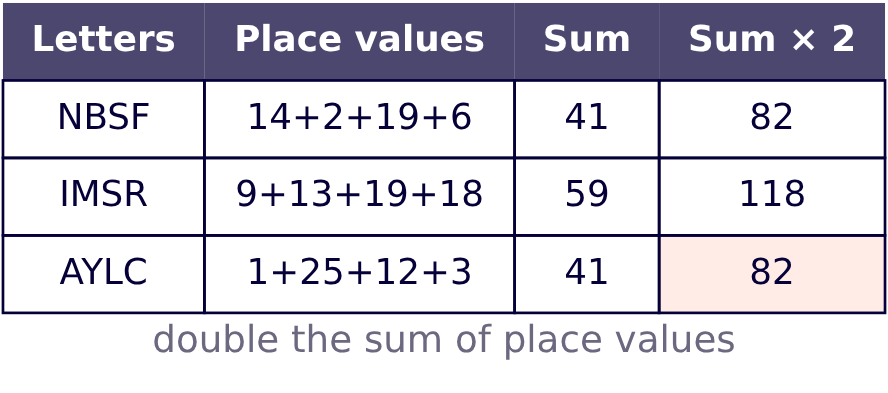 For AYLC, 1+25+12+3=41 and , so option (d) is correct.
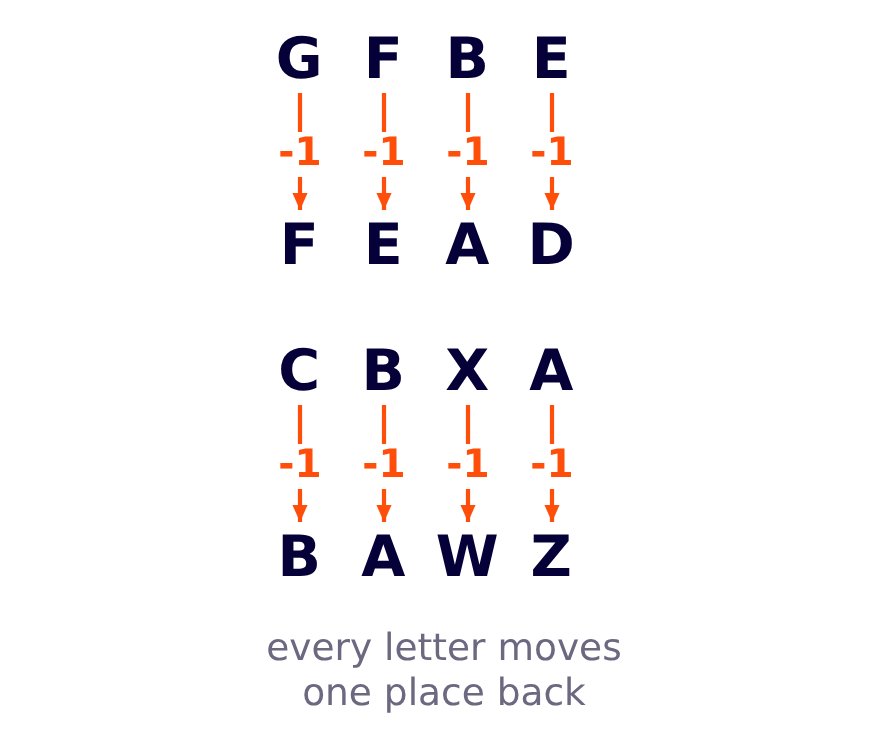 Apply it to CBXA: C to B, B to A, X to W and A to Z.
So CBXA is related to BAWZ, option (d).
Apply it to CBXA: C to B, B to A, X to W and A to Z.
So CBXA is related to BAWZ, option (d).