
1
The position(s) of how many letters will remain unchanged if each of the letters in the word MODULES is arranged in the English alphabetical order ?
- A.Two
- B.One
- C.Zero
- D.Three
Solution
Alphabetical rearrangement
Write the seven letters of MODULES in English alphabetical order and put the two strings one under the other.
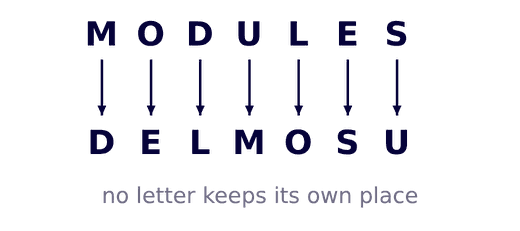 M against D, O against E, D against L, U against M, L against O, E against S, S against U - not one of the seven places holds the same letter before and after.
So the number of letters whose position remains unchanged is zero.
Hence the correct option is (c).
M against D, O against E, D against L, U against M, L against O, E against S, S against U - not one of the seven places holds the same letter before and after.
So the number of letters whose position remains unchanged is zero.
Hence the correct option is (c).
M against D, O against E, D against L, U against M, L against O, E against S, S against U - not one of the seven places holds the same letter before and after.
So the number of letters whose position remains unchanged is zero.
Hence the correct option is (c).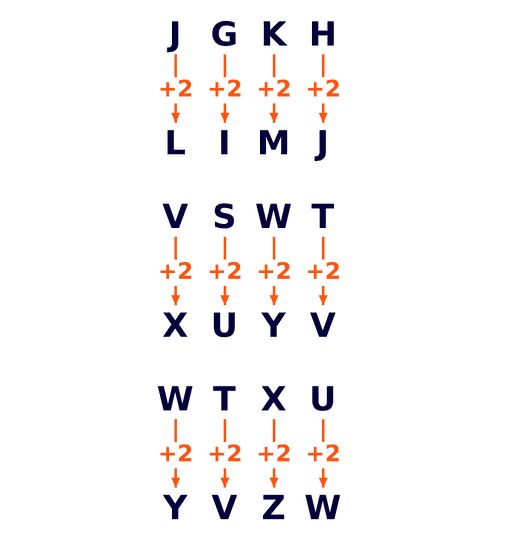 In JGKH to LIMJ every letter moves 2 places forward, and VSWT to XUYV obeys the same rule.
Apply +2 to WTXU: W becomes Y, T becomes V, X becomes Z and U becomes W, which gives YVZW.
Hence the correct option is (a).
In JGKH to LIMJ every letter moves 2 places forward, and VSWT to XUYV obeys the same rule.
Apply +2 to WTXU: W becomes Y, T becomes V, X becomes Z and U becomes W, which gives YVZW.
Hence the correct option is (a).
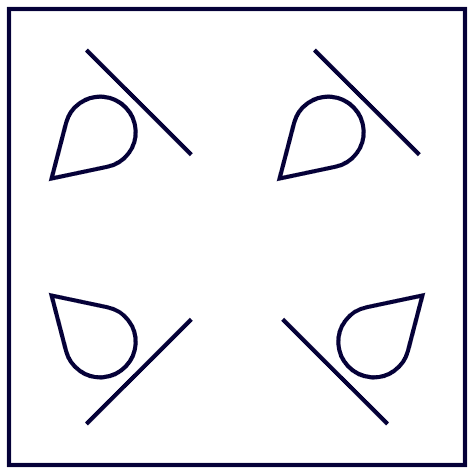
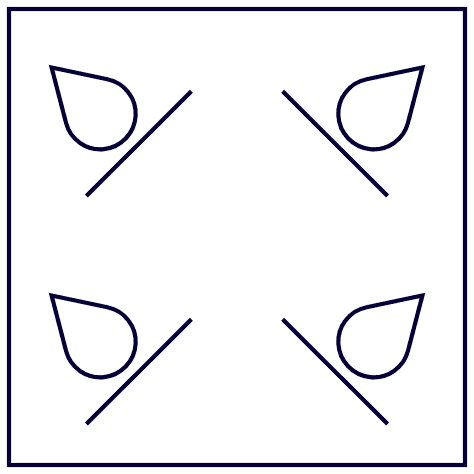
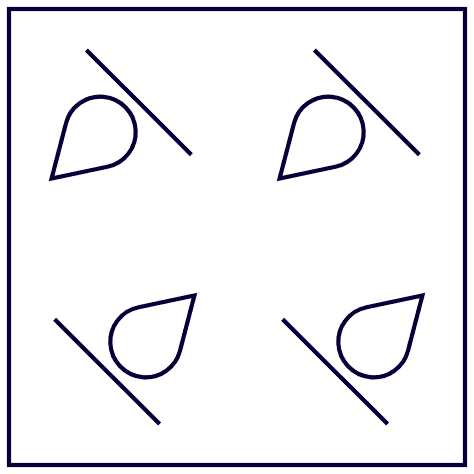
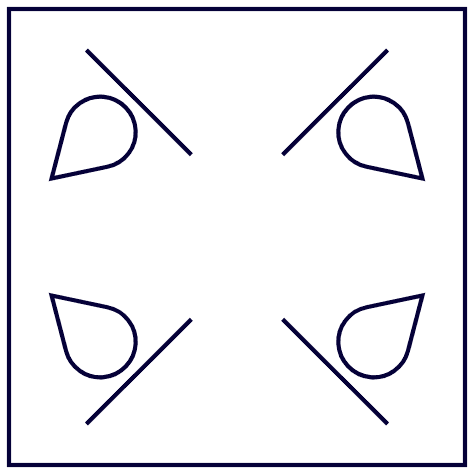
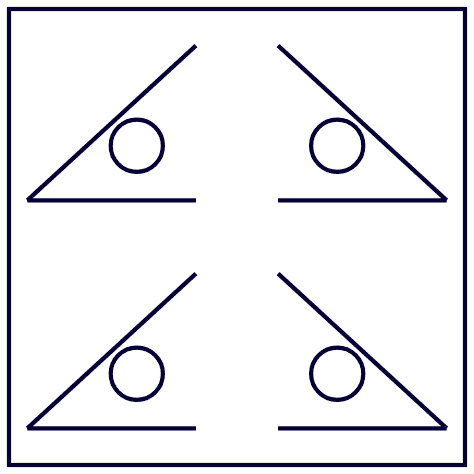
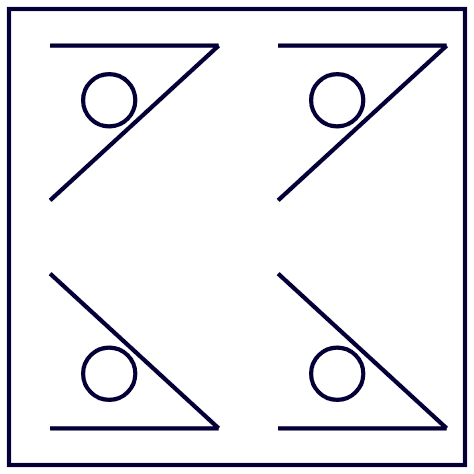
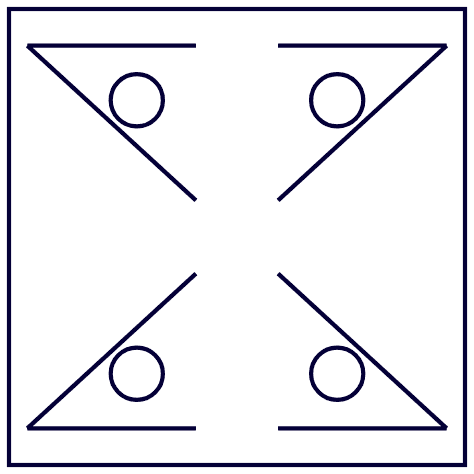
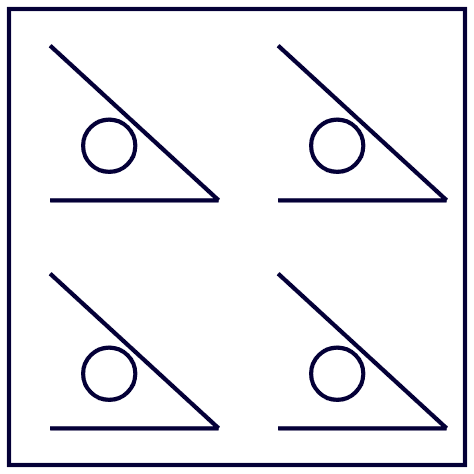
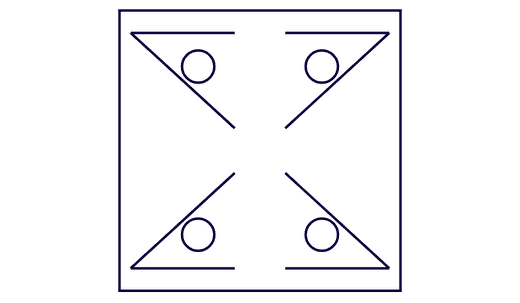
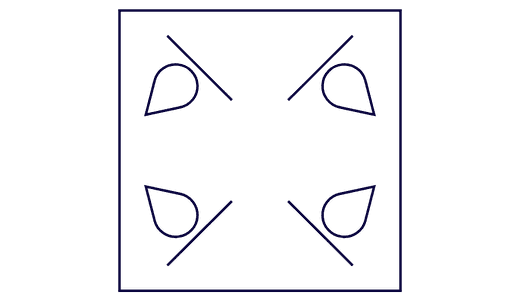 Only one option carries all four marks mirrored in both creases.
Hence the correct option is (d).
Only one option carries all four marks mirrored in both creases.
Hence the correct option is (d). First letters D, G, J, M rise by 3 each time; so do the second letters M, P, S, V and the third letters W, Z, C, F (the count runs on past Z).
The next group is therefore M+3=P, V+3=Y and F+3=I, that is PYI.
Hence the correct option is (c).
First letters D, G, J, M rise by 3 each time; so do the second letters M, P, S, V and the third letters W, Z, C, F (the count runs on past Z).
The next group is therefore M+3=P, V+3=Y and F+3=I, that is PYI.
Hence the correct option is (c).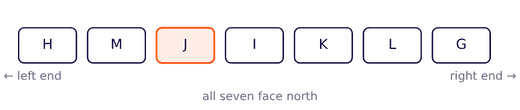 Only H and M are to the left of J, so two people sit to the left of J.
Hence the correct option is (c).
Only H and M are to the left of J, so two people sit to the left of J.
Hence the correct option is (c).




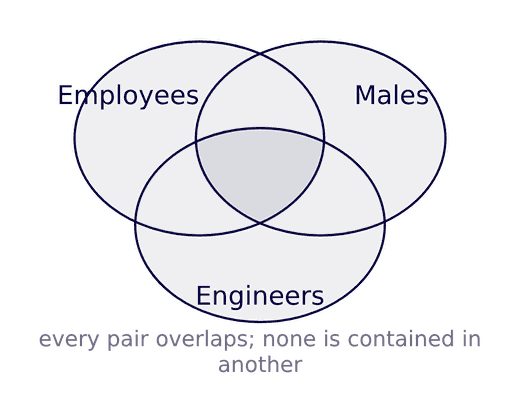
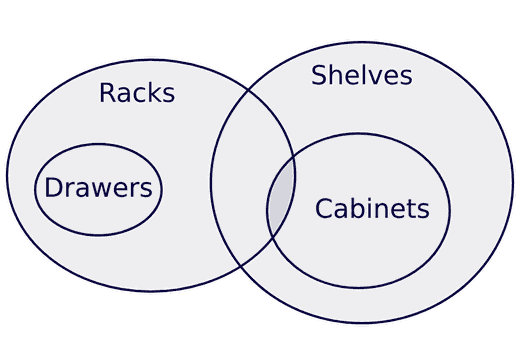 Conclusion (I): the shelves reach well beyond the cabinets and nothing makes that outer part racks, so 'All shelves are racks' does not follow.
Conclusion (II): the drawers can sit entirely in the part of the racks that lies outside the cabinets, so no shelf need be a drawer; it does not follow either.
Hence the correct option is (a).
Conclusion (I): the shelves reach well beyond the cabinets and nothing makes that outer part racks, so 'All shelves are racks' does not follow.
Conclusion (II): the drawers can sit entirely in the part of the racks that lies outside the cabinets, so no shelf need be a drawer; it does not follow either.
Hence the correct option is (a).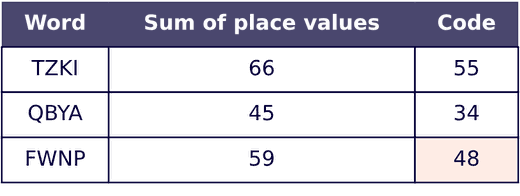 FWNP: 6+23+14+16=59, so the code is 59-11=48.
Hence the correct option is (b).
FWNP: 6+23+14+16=59, so the code is 59-11=48.
Hence the correct option is (b). The complete groups are WZVR, UXTP, SVRN, QTPL and ORNJ, so the blanks take W, X, R, L, J in that order.
Hence the correct option is (d).
The complete groups are WZVR, UXTP, SVRN, QTPL and ORNJ, so the blanks take W, X, R, L, J in that order.
Hence the correct option is (d).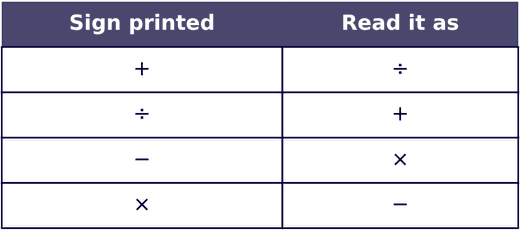 therefore has to be worked out as .
By BODMAS the division and the multiplication come first: 18+3-12.
=21-12=9.
Hence the correct option is (b).
therefore has to be worked out as .
By BODMAS the division and the multiplication come first: 18+3-12.
=21-12=9.
Hence the correct option is (b).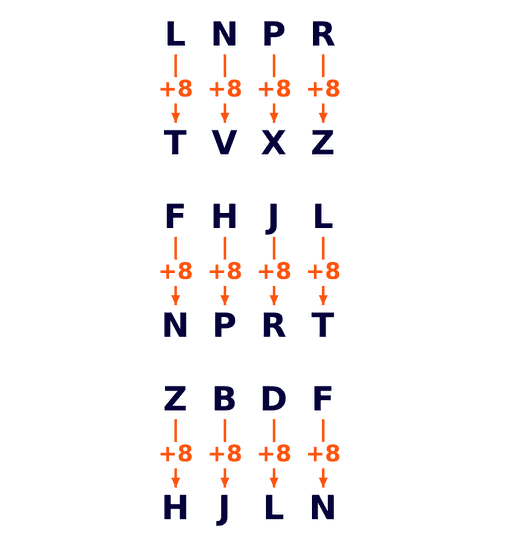 L(12) to T(20), N(14) to V(22), P to X and R to Z: every letter moves 8 places forward, and FHJL to NPRT keeps the same +8 step.
Apply +8 to ZBDF, counting on past Z: Z gives H, B gives J, D gives L and F gives N.
Hence the correct option is (c).
L(12) to T(20), N(14) to V(22), P to X and R to Z: every letter moves 8 places forward, and FHJL to NPRT keeps the same +8 step.
Apply +8 to ZBDF, counting on past Z: Z gives H, B gives J, D gives L and F gives N.
Hence the correct option is (c).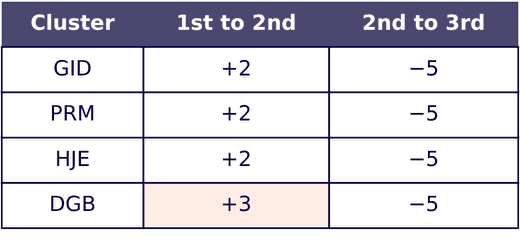 GID: G(7) to I(9) is +2 and I(9) to D(4) is -5; PRM and HJE repeat exactly that +2, -5 pair of steps.
In DGB the first step is D(4) to G(7), which is +3 and not +2, so it breaks the rule.
Hence the correct option is (d).
GID: G(7) to I(9) is +2 and I(9) to D(4) is -5; PRM and HJE repeat exactly that +2, -5 pair of steps.
In DGB the first step is D(4) to G(7), which is +3 and not +2, so it breaks the rule.
Hence the correct option is (d).

 Hence the correct option is (c).
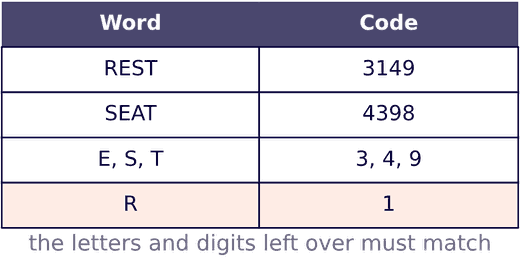 REST and SEAT have E, S and T in common, and the codes 3149 and 4398 have the digits 3, 4 and 9 in common.
So E, S and T use up 3, 4 and 9 between them, and the only digit left in REST's code is 1, which must stand for R.
Hence the correct option is (a).
REST and SEAT have E, S and T in common, and the codes 3149 and 4398 have the digits 3, 4 and 9 in common.
So E, S and T use up 3, 4 and 9 between them, and the only digit left in REST's code is 1, which must stand for R.
Hence the correct option is (a). The differences themselves rise by 7 each time, so the next difference is 24+7=31.
The missing term is 65+31=96.
Hence the correct option is (d).
The differences themselves rise by 7 each time, so the next difference is 24+7=31.
The missing term is 65+31=96.
Hence the correct option is (d).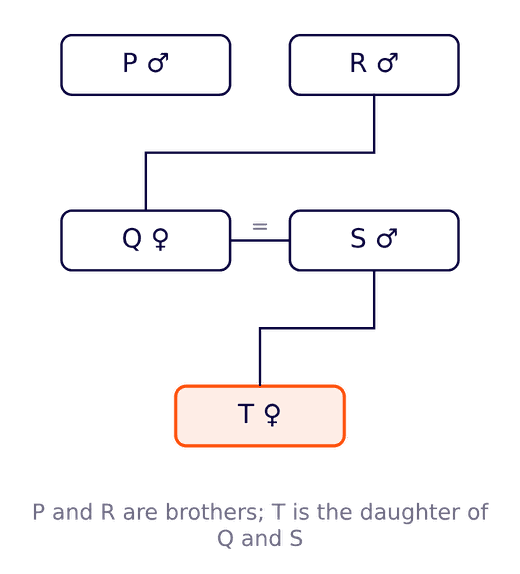 T's mother is Q and Q's father is R, so R is T's mother's father.
P is the brother of R, so P is T's mother's father's brother.
Hence the correct option is (c).
T's mother is Q and Q's father is R, so R is T's mother's father.
P is the brother of R, so P is T's mother's father's brother.
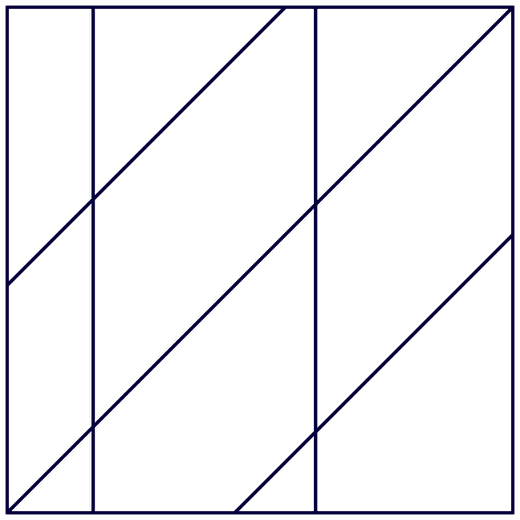
Hence the correct option is (c).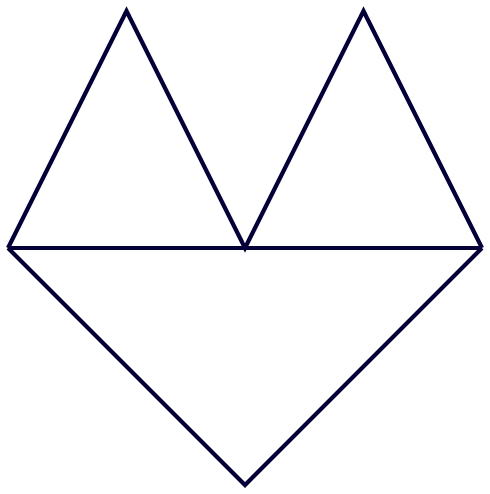 (X)
(X)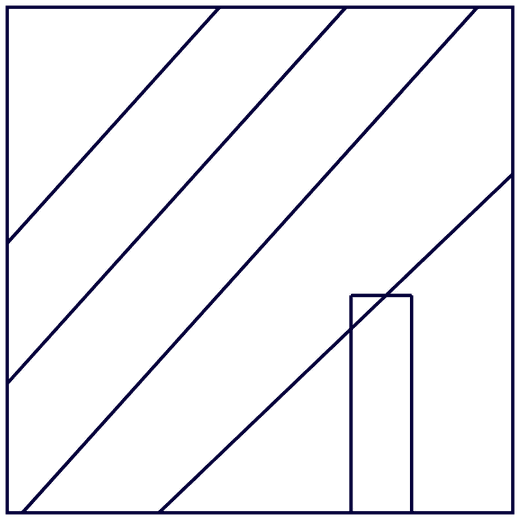
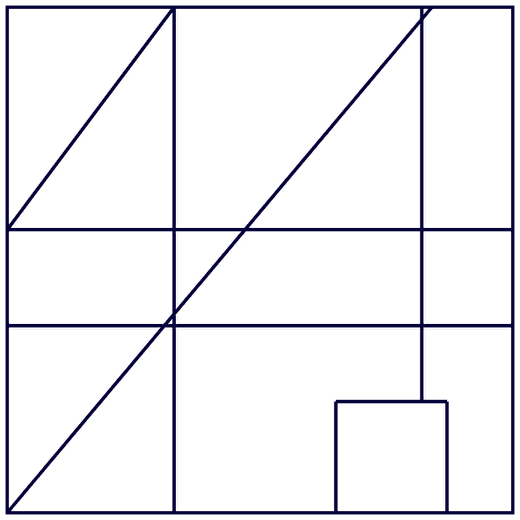
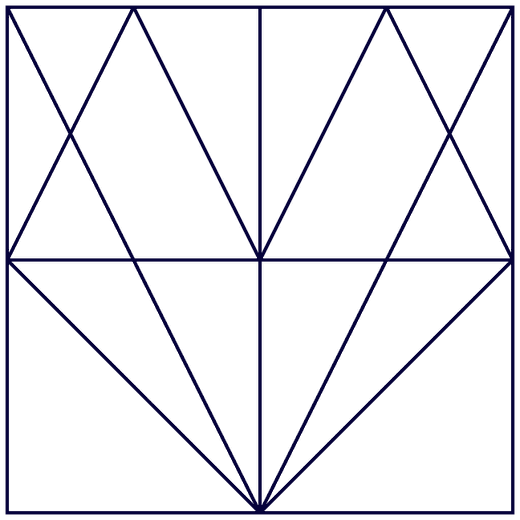
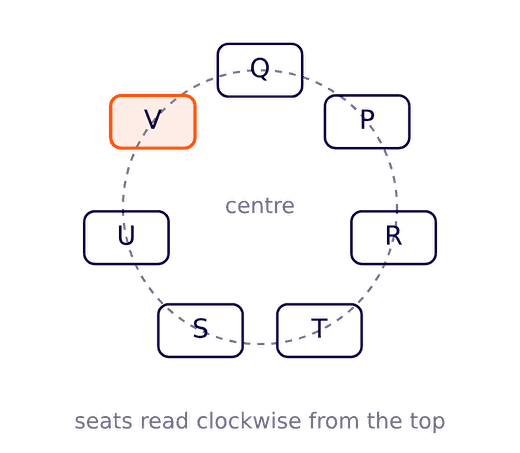 V therefore sits next to U on one side and next to Q on the other.
Hence the correct option is (b).
V therefore sits next to U on one side and next to Q on the other.
Hence the correct option is (b). The differences rise by 2 each time, so the next difference is 28+2=30.
The missing term is 200+30=230.
Hence the correct option is (d).
The differences rise by 2 each time, so the next difference is 28+2=30.
The missing term is 200+30=230.
Hence the correct option is (d).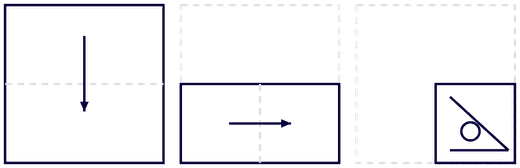
 Hence the correct option is (c).