
1
In a certain code language, 'drink clean water' is coded as 'rd tm kg' and 'clean your house' is coded as 'db fo tm'. How is 'clean' coded in the given language?
- A.tm
- B.fo
- C.rd
- D.kg
Solution
Word coding
Write the two statements one below the other and look for what they share.
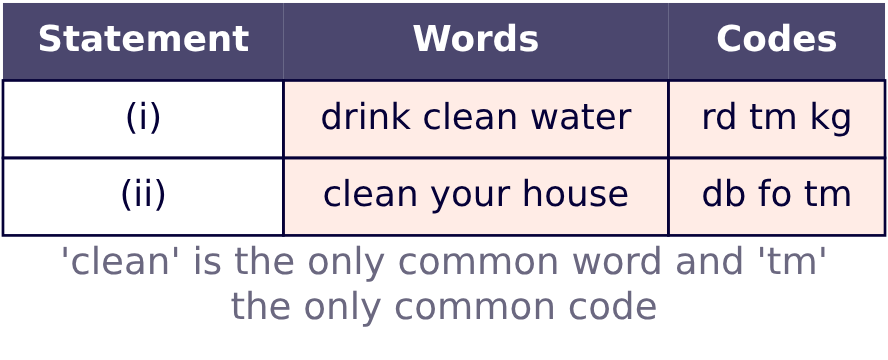 'clean' is the only word that appears in both statements, and 'tm' is the only code that appears in both code groups.
A word and its code must therefore be matched: 'clean' → 'tm'.
'rd' and 'kg' occur only in the first statement and 'db' and 'fo' only in the second, so none of them can stand for 'clean'.
Hence the correct option is (a).
'clean' is the only word that appears in both statements, and 'tm' is the only code that appears in both code groups.
A word and its code must therefore be matched: 'clean' → 'tm'.
'rd' and 'kg' occur only in the first statement and 'db' and 'fo' only in the second, so none of them can stand for 'clean'.
Hence the correct option is (a).
'clean' is the only word that appears in both statements, and 'tm' is the only code that appears in both code groups.
A word and its code must therefore be matched: 'clean' → 'tm'.
'rd' and 'kg' occur only in the first statement and 'db' and 'fo' only in the second, so none of them can stand for 'clean'.
Hence the correct option is (a).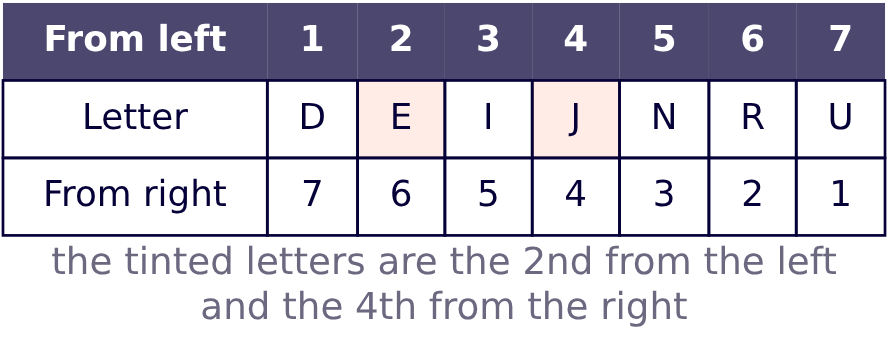 The second letter from the left end is E, and the fourth from the right end is J (counting U, R, N, J).
Between E and J in the English alphabet lie F, G, H and I, that is 4 letters.
Hence the correct option is (c).
The second letter from the left end is E, and the fourth from the right end is J (counting U, R, N, J).
Between E and J in the English alphabet lie F, G, H and I, that is 4 letters.
Hence the correct option is (c).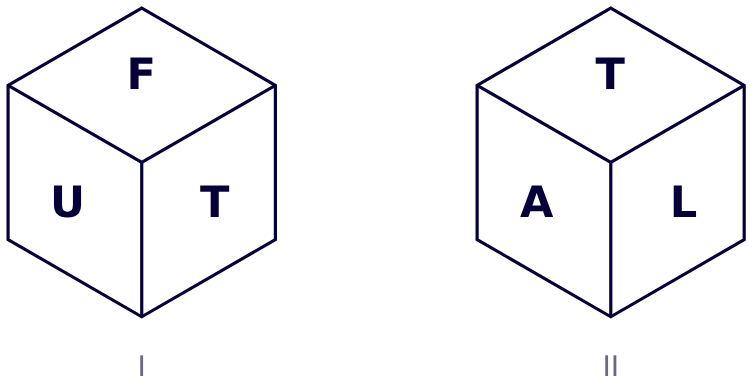
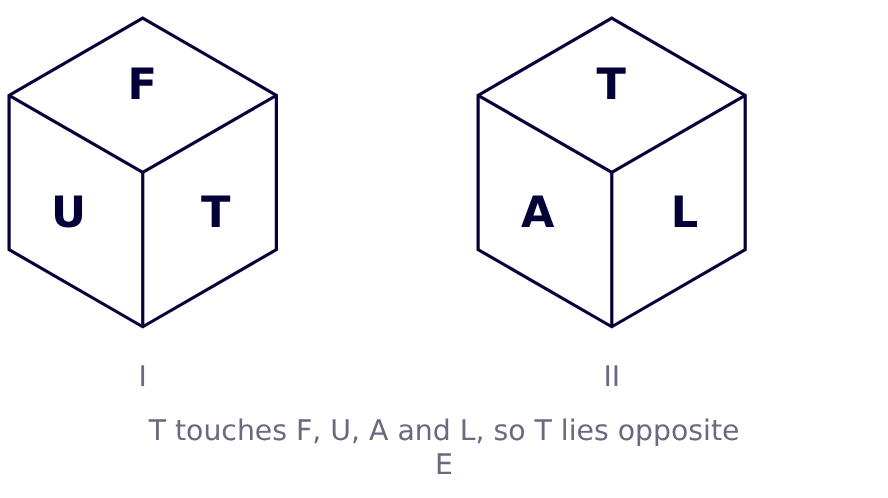 T is visible in both views, so every letter seen beside T touches it: F and U from view I, A and L from view II.
That already gives T four adjacent faces, and a cube has only four faces adjacent to any one face.
The one letter left over, E, must therefore be on the face opposite T.
Hence the correct option is (a).
T is visible in both views, so every letter seen beside T touches it: F and U from view I, A and L from view II.
That already gives T four adjacent faces, and a cube has only four faces adjacent to any one face.
The one letter left over, E, must therefore be on the face opposite T.
Hence the correct option is (a).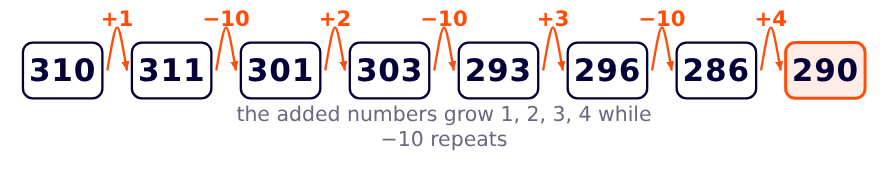 The steps run +1, -10, +2, -10, +3, -10 - every second step is -10 and the additions grow 1, 2, 3, ...
The next step is therefore +4.
Missing term =286+4=290.
Hence the correct option is (c).
The steps run +1, -10, +2, -10, +3, -10 - every second step is -10 and the additions grow 1, 2, 3, ...
The next step is therefore +4.
Missing term =286+4=290.
Hence the correct option is (c).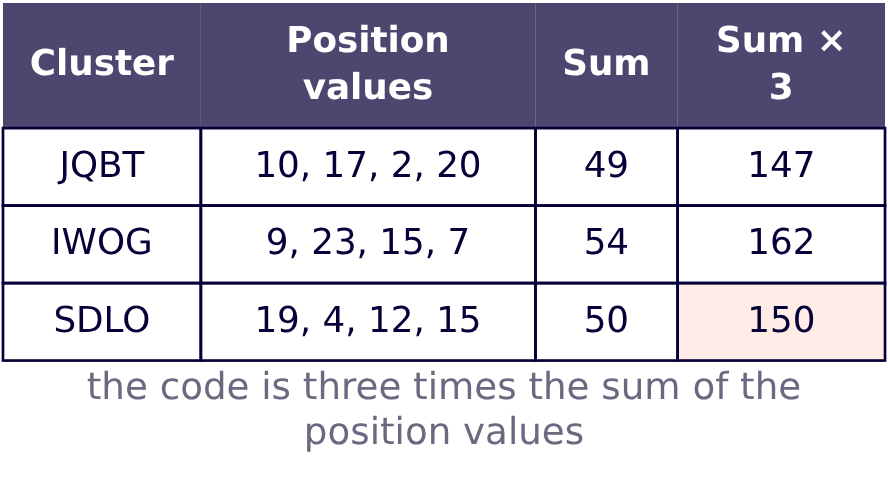 So the rule is (sum of the position values) .
SDLO: 19+4+12+15=50, so the code .
Hence the correct option is (b).
So the rule is (sum of the position values) .
SDLO: 19+4+12+15=50, so the code .
Hence the correct option is (b).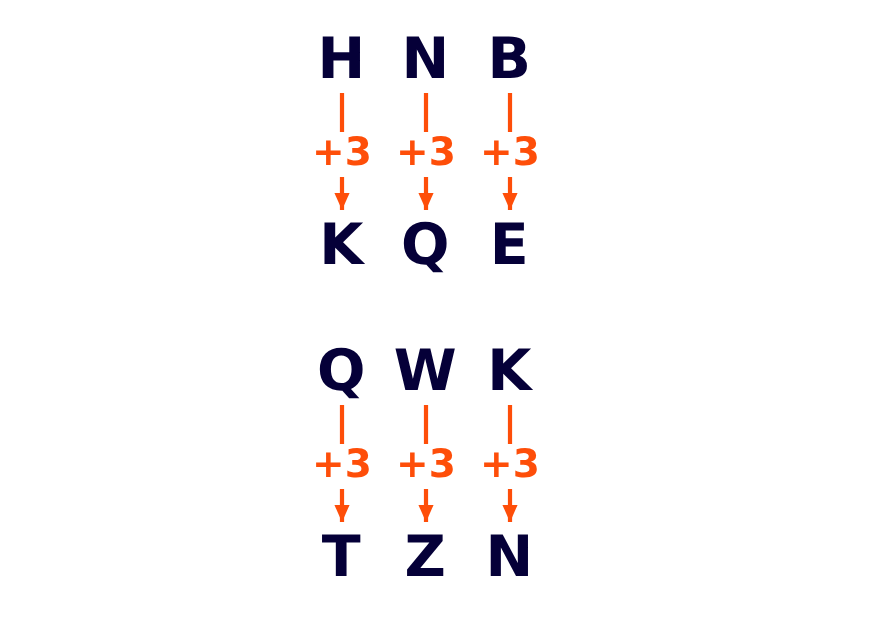 H→K, N→Q and B→E: every letter moves +3 places, and the same +3 carries KQE to NTH and NTH to QWK.
Apply +3 to QWK: Q→T, W→Z and K→N.
So the missing cluster is TZN; option (a) TZL fails because K+3=N, not L.
Hence the correct option is (b).
H→K, N→Q and B→E: every letter moves +3 places, and the same +3 carries KQE to NTH and NTH to QWK.
Apply +3 to QWK: Q→T, W→Z and K→N.
So the missing cluster is TZN; option (a) TZL fails because K+3=N, not L.
Hence the correct option is (b).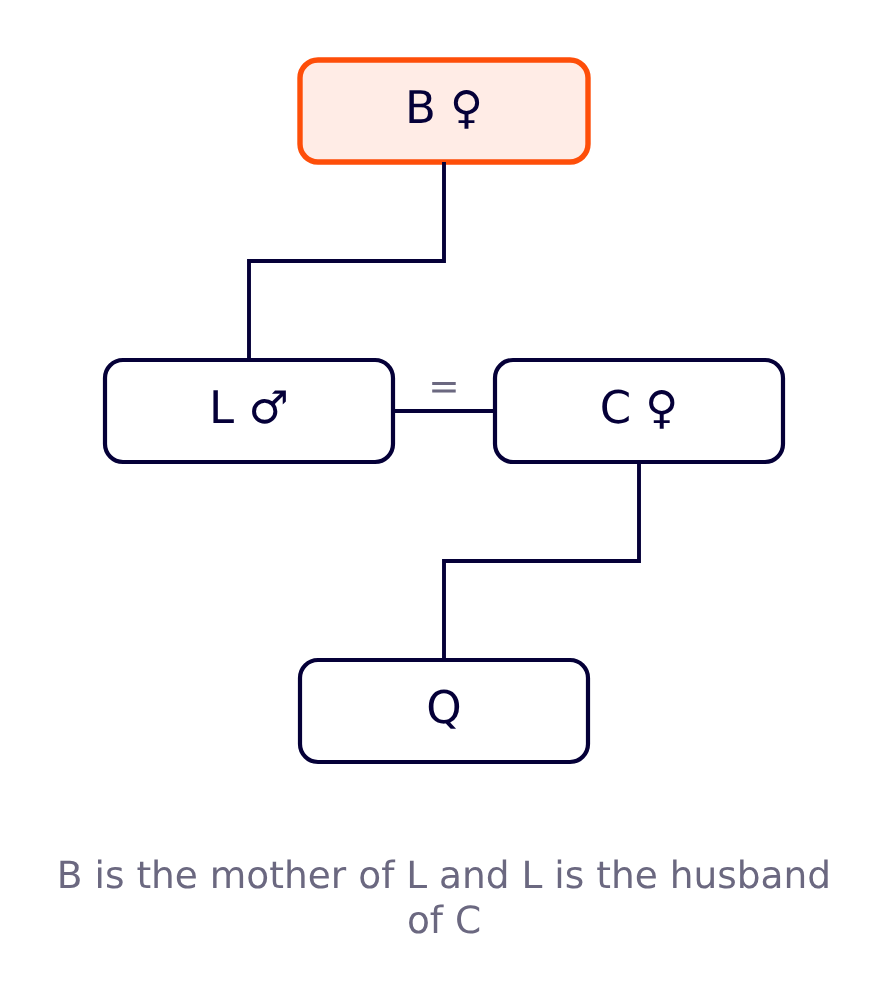 C's husband is L and L's mother is B, so B is C's husband's mother.
The chain nowhere makes B a parent of C, so 'Mother's mother' and 'Father's mother' do not fit.
Hence the correct option is (d).
C's husband is L and L's mother is B, so B is C's husband's mother.
The chain nowhere makes B a parent of C, so 'Mother's mother' and 'Father's mother' do not fit.
Hence the correct option is (d).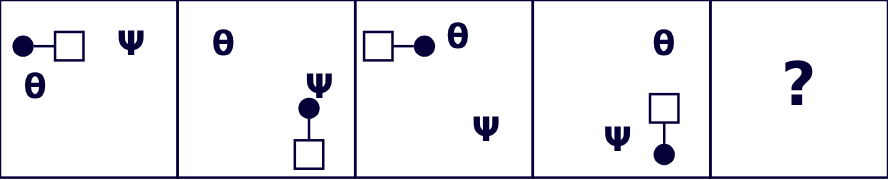
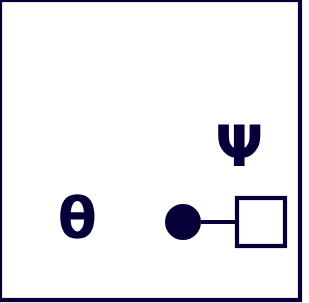
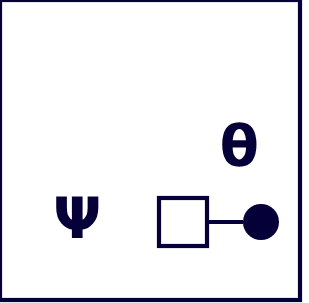
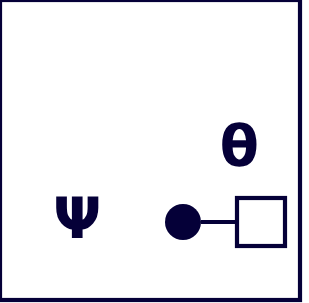
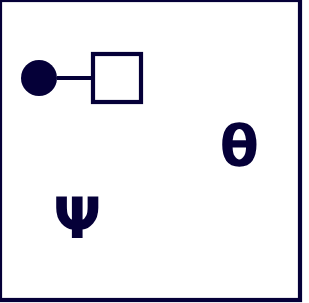
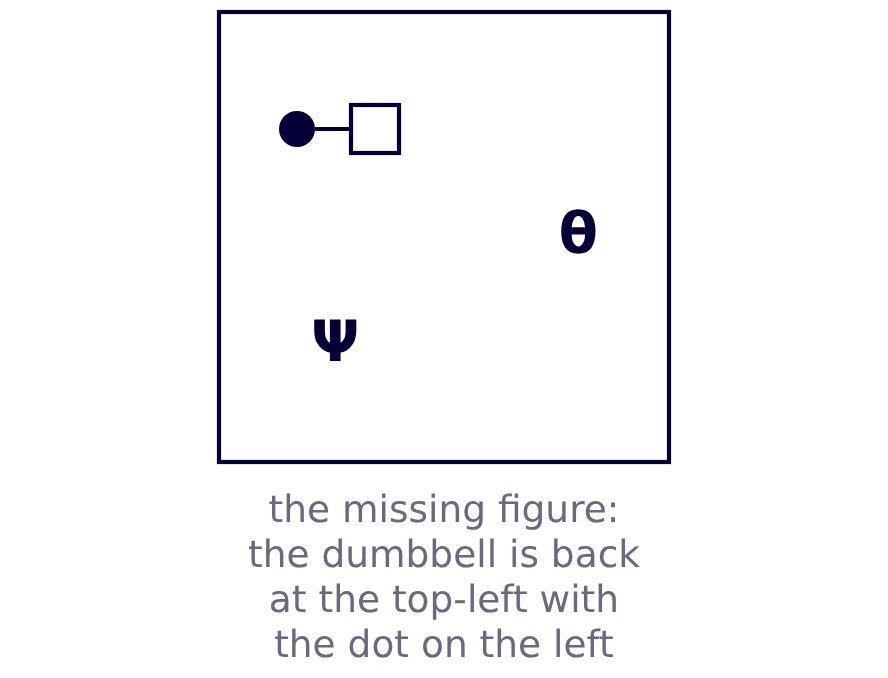 Only option (d) has the dumbbell at the top-left with the dot on the left; option (c) places θ and Ψ correctly but leaves the dumbbell at the bottom-right.
Hence the correct option is (d).
Only option (d) has the dumbbell at the top-left with the dot on the left; option (c) places θ and Ψ correctly but leaves the dumbbell at the bottom-right.
Hence the correct option is (d).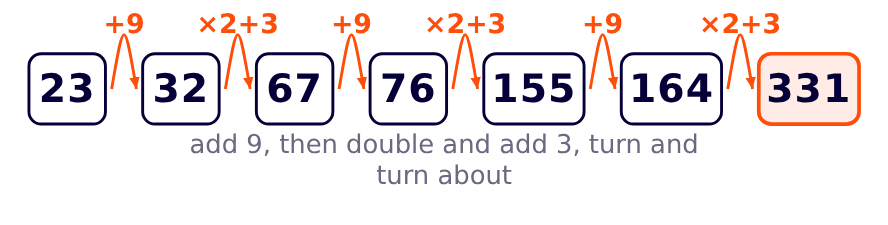 Every odd step simply adds 9: 23+9=32, 67+9=76 and 155+9=164.
Every even step doubles and adds 3: and .
The next step is an even one, so the missing term .
Hence the correct option is (b).
Every odd step simply adds 9: 23+9=32, 67+9=76 and 155+9=164.
Every even step doubles and adds 3: and .
The next step is an even one, so the missing term .
Hence the correct option is (b).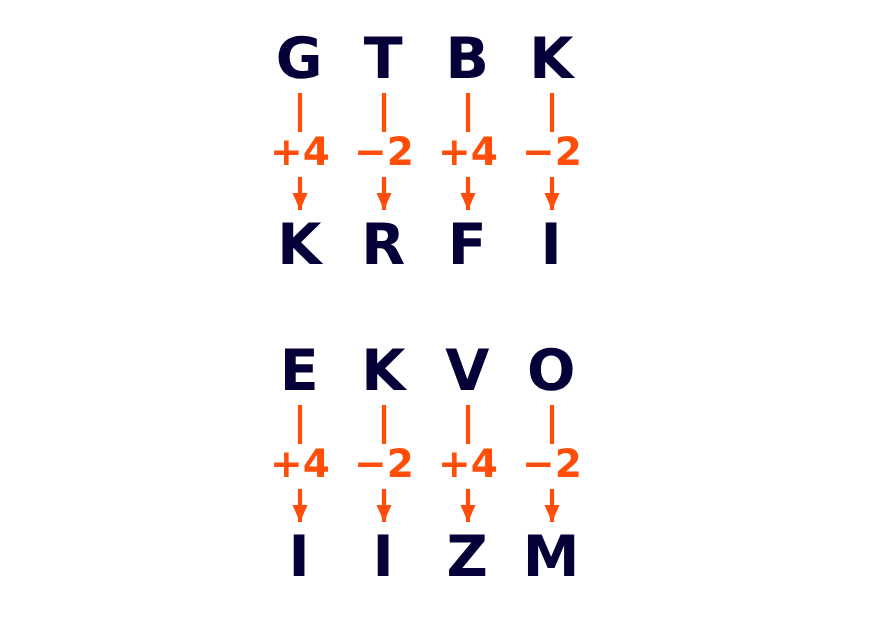 G→K is +4, T→R is -2, B→F is +4 and K→I is -2; NSFX→RQJV repeats the same +4, -2, +4, -2.
Apply the same pattern to EKVO: E+4=I, K-2=I, V+4=Z, O-2=M.
So EKVO is related to IIZM.
Option (c) HJTN comes from +3, -1, -2, -1, which is not the pattern the two given pairs use.
Hence the correct option is (b).
G→K is +4, T→R is -2, B→F is +4 and K→I is -2; NSFX→RQJV repeats the same +4, -2, +4, -2.
Apply the same pattern to EKVO: E+4=I, K-2=I, V+4=Z, O-2=M.
So EKVO is related to IIZM.
Option (c) HJTN comes from +3, -1, -2, -1, which is not the pattern the two given pairs use.
Hence the correct option is (b).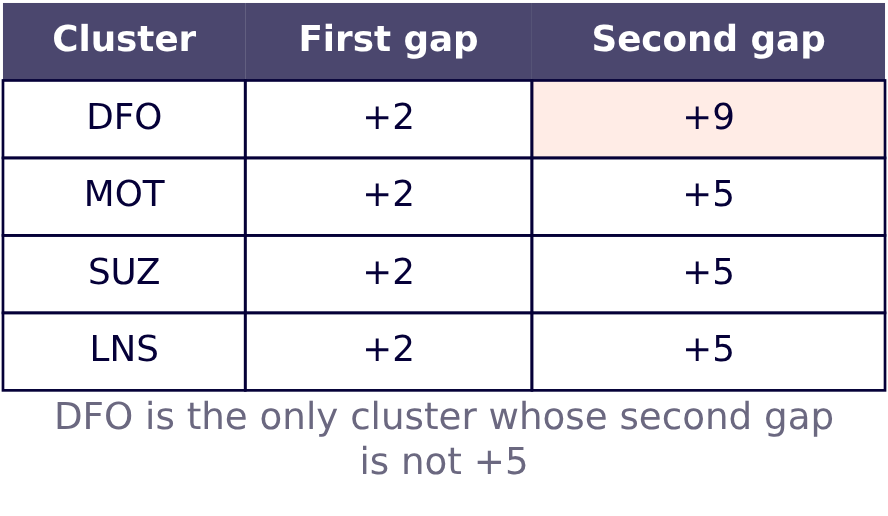 MOT: M+2=O and O+5=T. SUZ: S+2=U and U+5=Z. LNS: L+2=N and N+5=S.
DFO: D+2=F is right, but F+9=O, not +5.
So DFO is the only cluster that breaks the +2, +5 pattern.
Hence the correct option is (a).
MOT: M+2=O and O+5=T. SUZ: S+2=U and U+5=Z. LNS: L+2=N and N+5=S.
DFO: D+2=F is right, but F+9=O, not +5.
So DFO is the only cluster that breaks the +2, +5 pattern.
Hence the correct option is (a).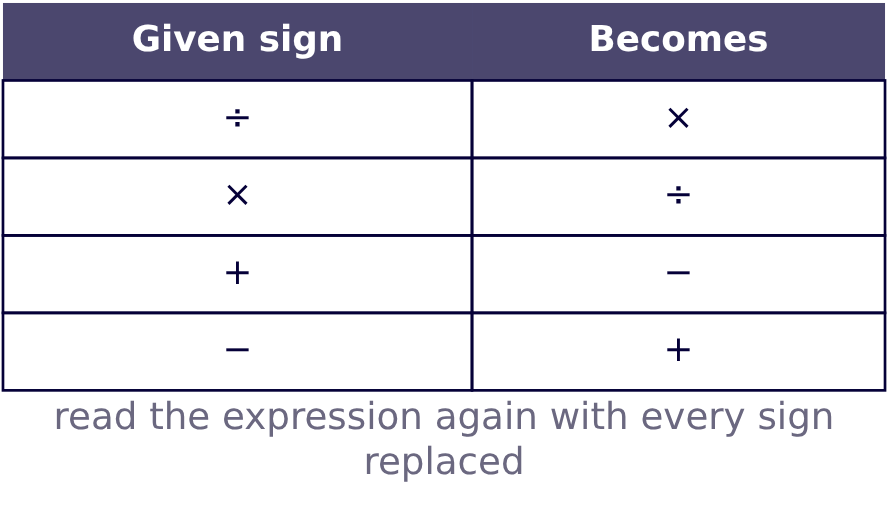 becomes .
By BODMAS, do the division and multiplication first: and .
So the expression =20+28-5.
=48-5=43.
Hence the correct option is (a).
becomes .
By BODMAS, do the division and multiplication first: and .
So the expression =20+28-5.
=48-5=43.
Hence the correct option is (a).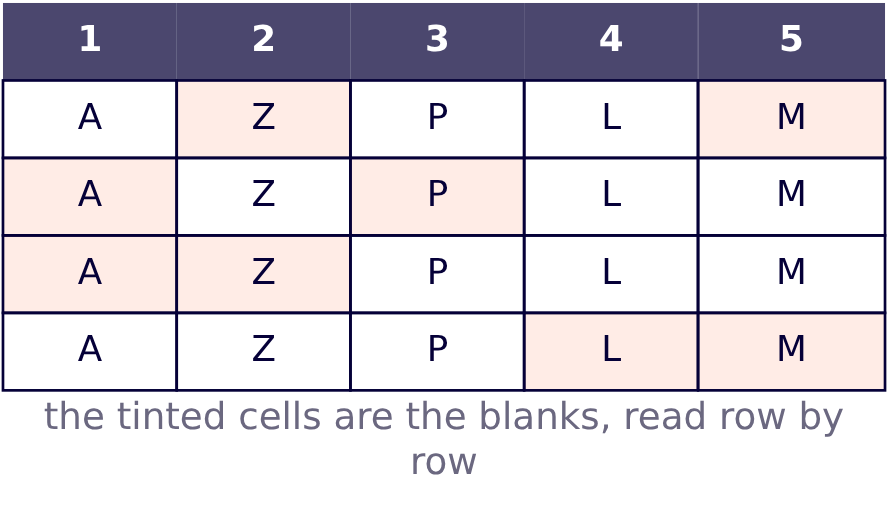 Setting the given string under that block shows which letters were removed.
Reading the blanks from left to right gives Z, M, A, P, A, Z, L, M.
That is the string ZMAPAZLM; option (a) reverses the first two letters, which would make the string start MZ instead of AZ.
Hence the correct option is (b).
Setting the given string under that block shows which letters were removed.
Reading the blanks from left to right gives Z, M, A, P, A, Z, L, M.
That is the string ZMAPAZLM; option (a) reverses the first two letters, which would make the string start MZ instead of AZ.
Hence the correct option is (b).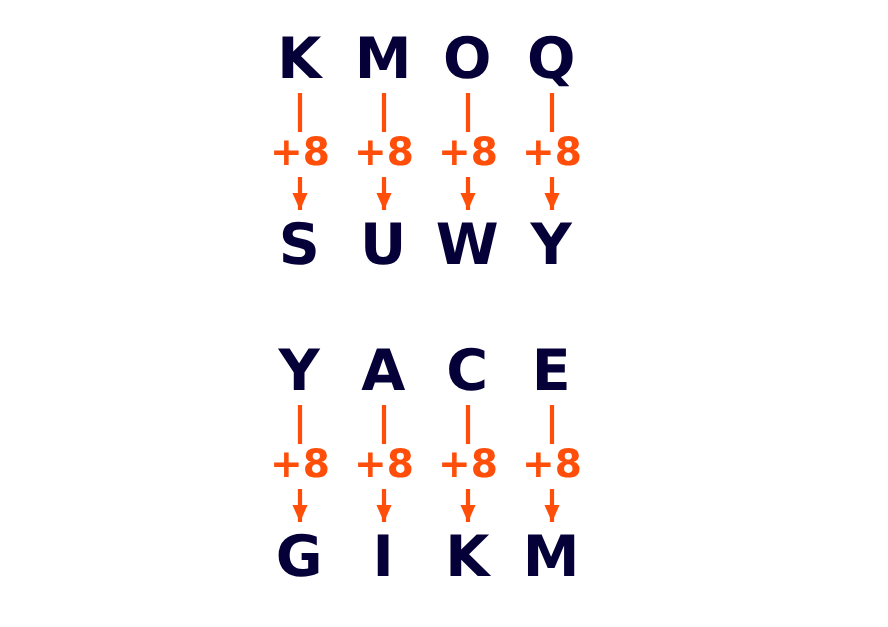 K→S, M→U, O→W and Q→Y are all +8, and E→M, G→O, I→Q, K→S are +8 as well.
Apply +8 to YACE, letting the alphabet wrap round after Z: Y+8=G, A+8=I, C+8=K, E+8=M.
So YACE is related to GIKM.
Options (b), (c) and (d) keep the first two letters GI but break the +8 rule on the last two.
Hence the correct option is (a).
K→S, M→U, O→W and Q→Y are all +8, and E→M, G→O, I→Q, K→S are +8 as well.
Apply +8 to YACE, letting the alphabet wrap round after Z: Y+8=G, A+8=I, C+8=K, E+8=M.
So YACE is related to GIKM.
Options (b), (c) and (d) keep the first two letters GI but break the +8 rule on the last two.
Hence the correct option is (a).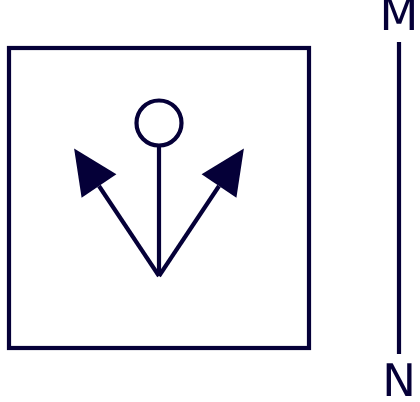
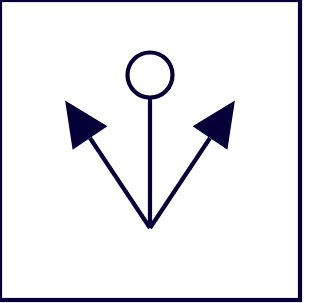
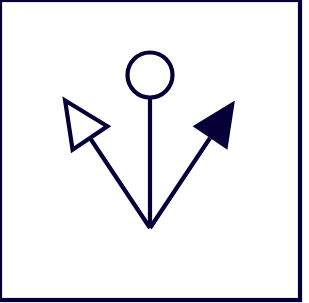
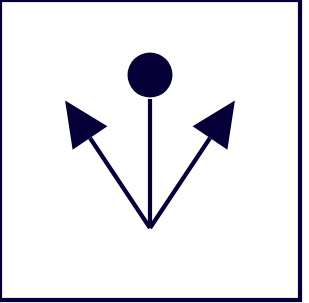
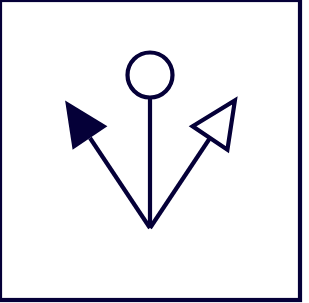
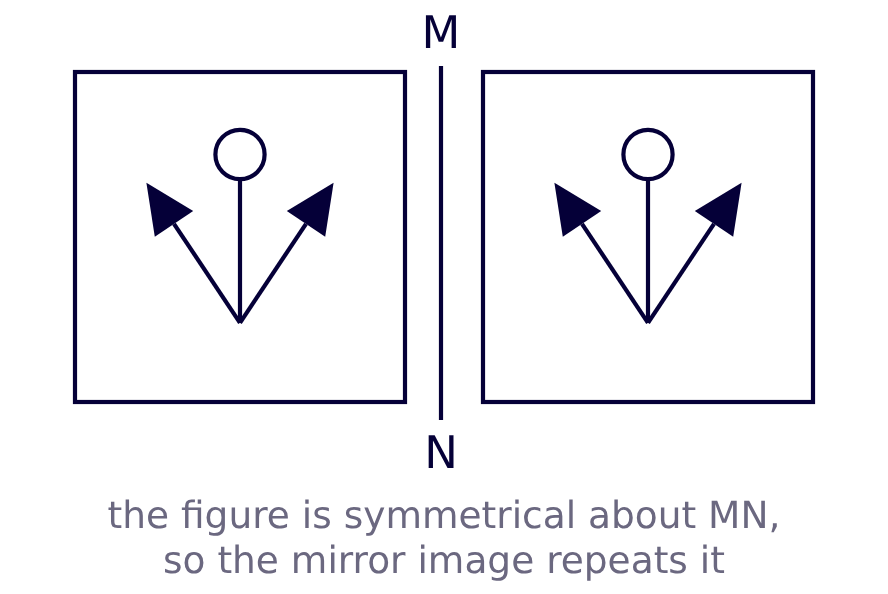 The figure is therefore symmetrical about a vertical axis, so its mirror image in MN looks exactly like the original - hollow circle on top and both arrowheads solid.
Option (b) makes the left arrowhead hollow and option (d) makes the right one hollow, while option (c) fills the top circle; a mirror can never change solid into hollow.
Hence the correct option is (a).
The figure is therefore symmetrical about a vertical axis, so its mirror image in MN looks exactly like the original - hollow circle on top and both arrowheads solid.
Option (b) makes the left arrowhead hollow and option (d) makes the right one hollow, while option (c) fills the top circle; a mirror can never change solid into hollow.
Hence the correct option is (a).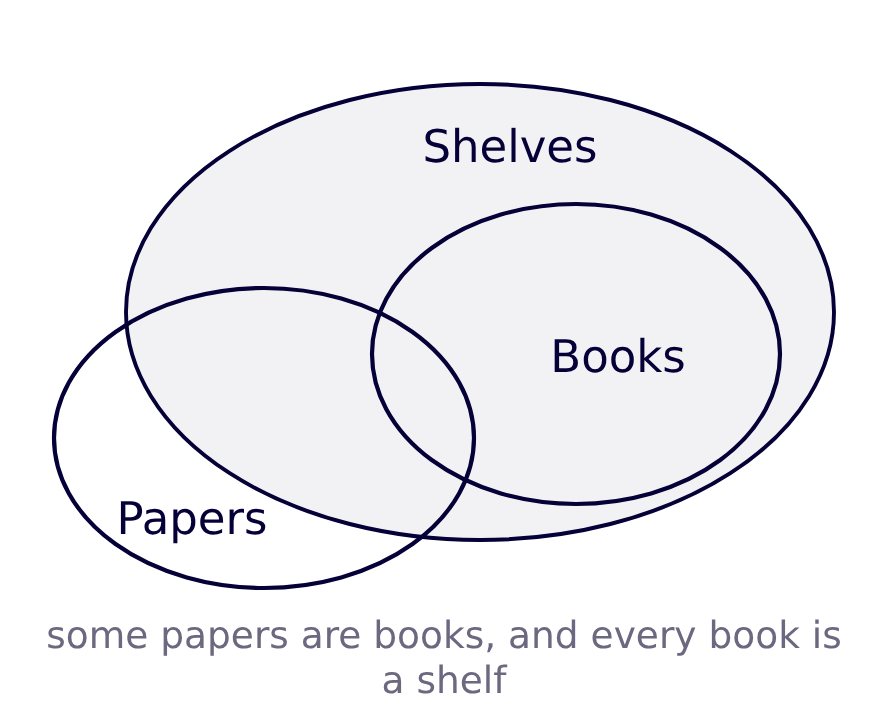 Conclusion (I): some papers are books, and all books are shelves, so those papers are shelves too - 'Some papers are shelves' definitely follows.
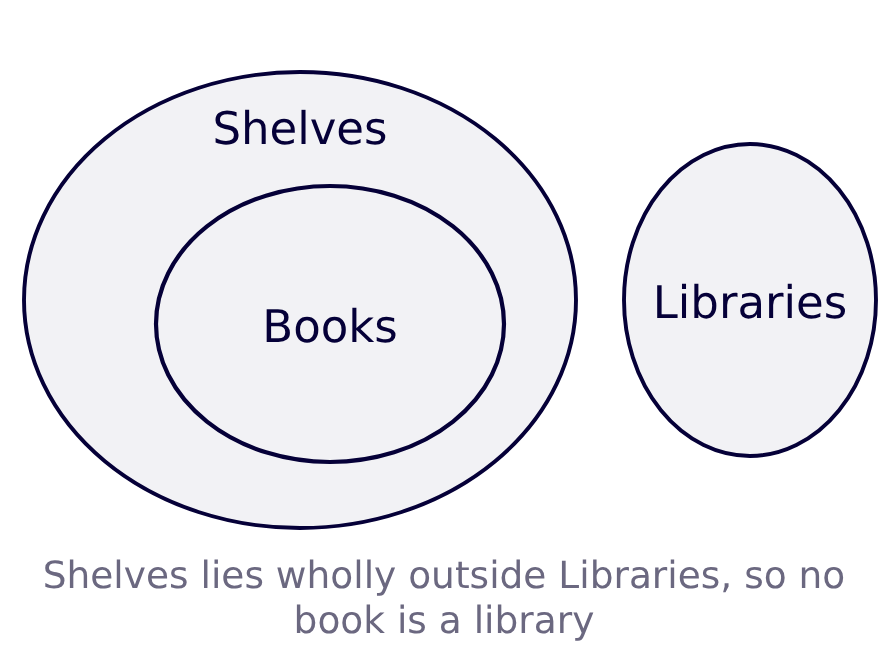 Conclusion (II): all books lie inside Shelves, and no shelf is a library, so no book can be a library.
That is the exact opposite of 'All books are libraries', so conclusion (II) does not follow.
Hence the correct option is (c).
Conclusion (II): all books lie inside Shelves, and no shelf is a library, so no book can be a library.
That is the exact opposite of 'All books are libraries', so conclusion (II) does not follow.
Hence the correct option is (c).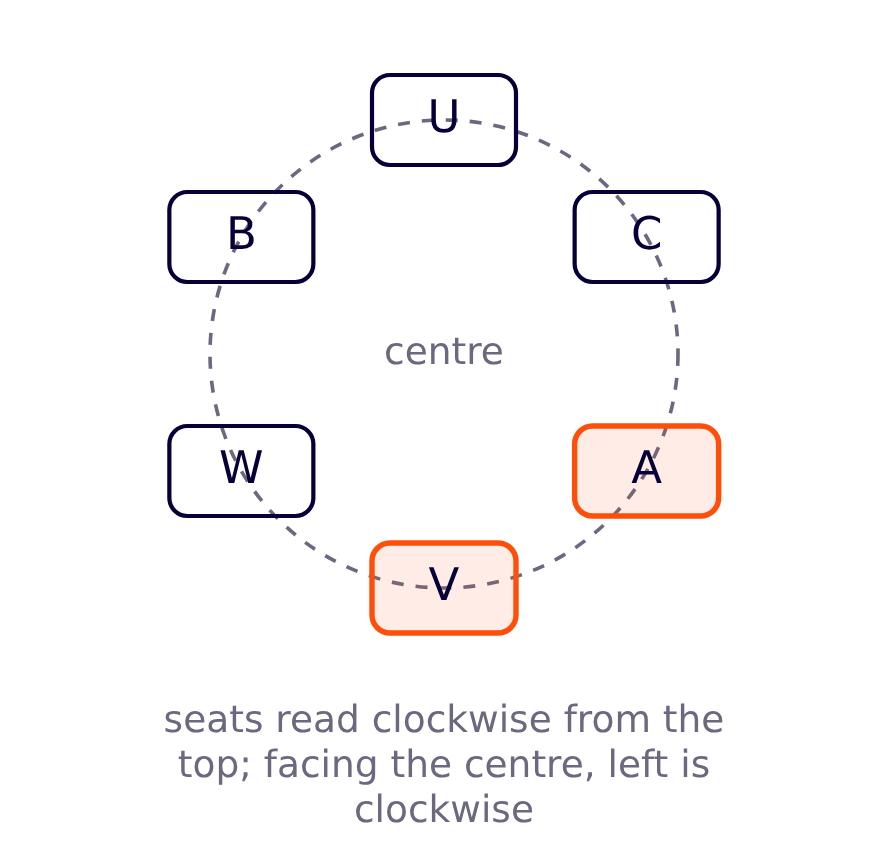 Counting from V's left, that is clockwise, we pass W, B, U and C before reaching A.
So four people sit between A and V when counted from the left of V.
Hence the correct option is (c).
Counting from V's left, that is clockwise, we pass W, B, U and C before reaching A.
So four people sit between A and V when counted from the left of V.
Hence the correct option is (c).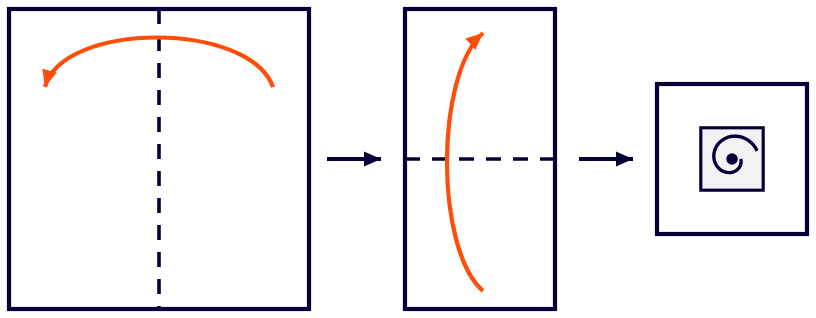
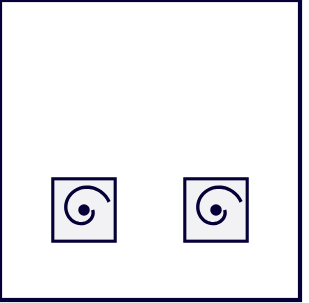
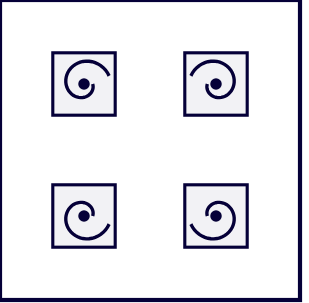
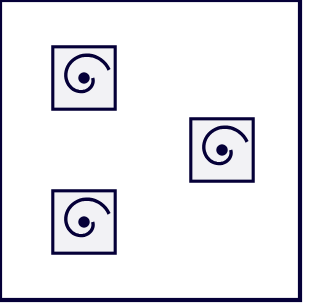
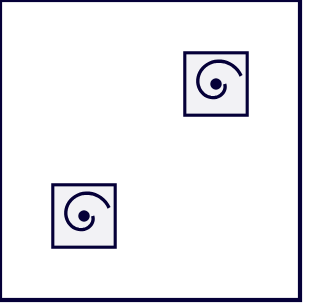
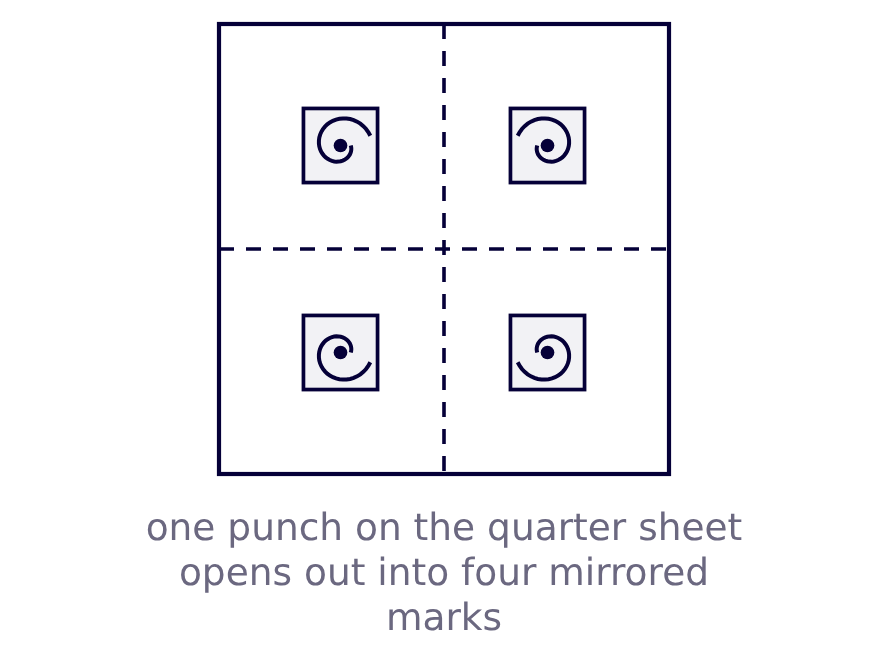 So the four marks come in mirror-image pairs facing each other across each fold line.
Only option (b) shows four marks arranged that way; options (a) and (d) show two marks (that would be a single fold) and option (c) shows three, which no number of folds can give.
Hence the correct option is (b).
So the four marks come in mirror-image pairs facing each other across each fold line.
Only option (b) shows four marks arranged that way; options (a) and (d) show two marks (that would be a single fold) and option (c) shows three, which no number of folds can give.
Hence the correct option is (b).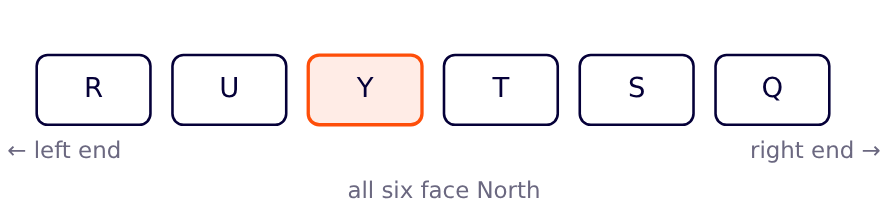 The order from the left end is R, U, Y, T, S, Q, so the third person from the left end is Y.
Hence the correct option is (c).
The order from the left end is R, U, Y, T, S, Q, so the third person from the left end is Y.
Hence the correct option is (c).
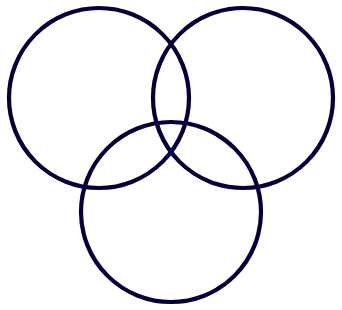
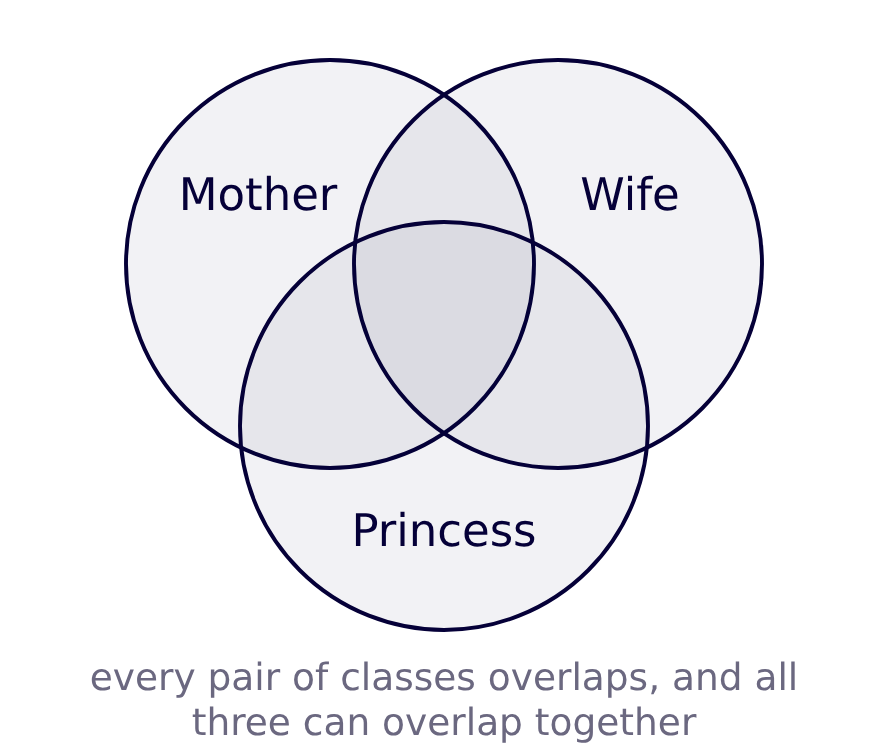 Three circles that cut across one another therefore show the relationship.
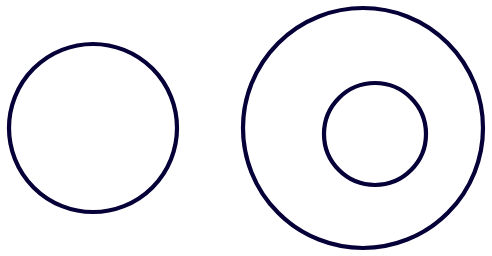
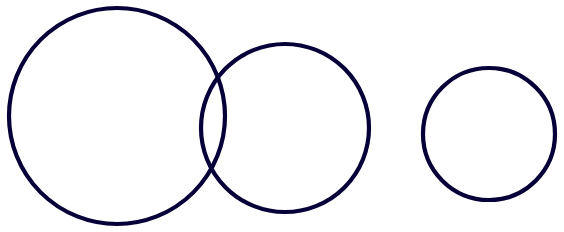
Option (a) keeps all three apart, option (c) puts one class wholly inside another, and option (d) leaves one class separate - each denies an overlap that really exists.
Hence the correct option is (b).
Three circles that cut across one another therefore show the relationship.
Option (a) keeps all three apart, option (c) puts one class wholly inside another, and option (d) leaves one class separate - each denies an overlap that really exists.
Hence the correct option is (b).