
21
Which group 17 element gets its name for being a yellow-green dense gas with a choking smell ?
- A.Chlorine
- B.Argon
- C.Helium
- D.Krypton
Solution
Halogens - chlorine
Chlorine is the group 17 (halogen) element whose name itself comes from the Greek word 'chloros', meaning pale yellowish-green - exactly the colour of the dense, choking gas it forms.
One line fixes it in memory: chlorine is the gas used to disinfect drinking water and swimming pools, and it was the first poison gas used in warfare, at Ypres in 1915.
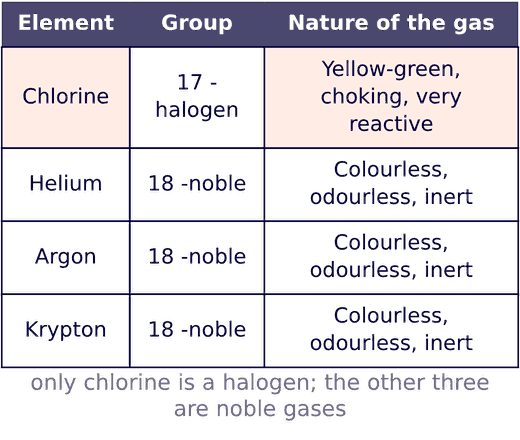 Argon, helium and krypton all belong to group 18, the noble gases - colourless, odourless and chemically inert - so none of them can be a coloured, choking gas.
Hence the correct option is (a).
Argon, helium and krypton all belong to group 18, the noble gases - colourless, odourless and chemically inert - so none of them can be a coloured, choking gas.
Hence the correct option is (a).
Argon, helium and krypton all belong to group 18, the noble gases - colourless, odourless and chemically inert - so none of them can be a coloured, choking gas.
Hence the correct option is (a).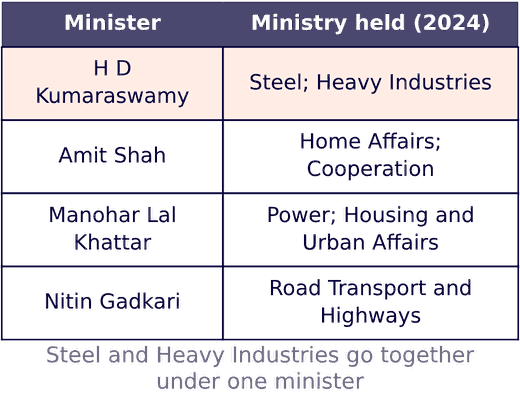 The other three hold well-known portfolios of their own - Home and Cooperation, Power with Housing and Urban Affairs, and Road Transport and Highways - none of which is Steel.
Hence the correct option is (b).
The other three hold well-known portfolios of their own - Home and Cooperation, Power with Housing and Urban Affairs, and Road Transport and Highways - none of which is Steel.
Hence the correct option is (b).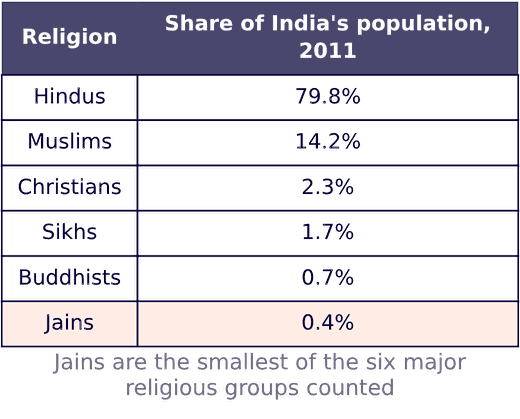 Lakshadweep is over 96 per cent Muslim and returns almost no Jains, and the entire population of Daman and Diu or Puducherry is only a small fraction of Delhi's, so neither can top the list.
Among States, incidentally, Maharashtra has the largest Jain population.
Hence the correct option is (b).
Lakshadweep is over 96 per cent Muslim and returns almost no Jains, and the entire population of Daman and Diu or Puducherry is only a small fraction of Delhi's, so neither can top the list.
Among States, incidentally, Maharashtra has the largest Jain population.
Hence the correct option is (b).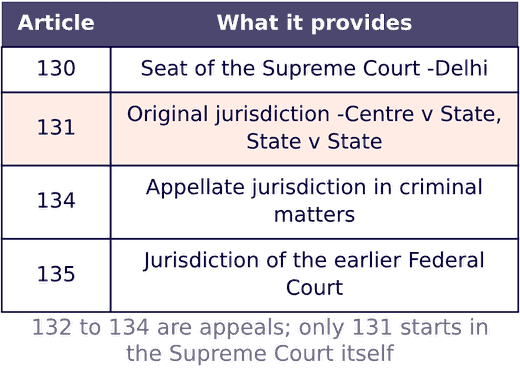 Article 130 only fixes the seat of the Court at Delhi, Article 134 gives it appellate jurisdiction in criminal matters, and Article 135 lets it exercise the jurisdiction of the old Federal Court - none of these is an original jurisdiction over federal disputes.
Hence the correct option is (c).
Article 130 only fixes the seat of the Court at Delhi, Article 134 gives it appellate jurisdiction in criminal matters, and Article 135 lets it exercise the jurisdiction of the old Federal Court - none of these is an original jurisdiction over federal disputes.
Hence the correct option is (c).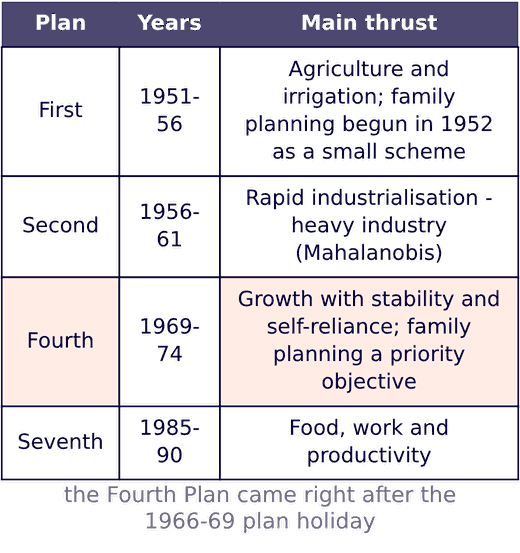 The First Plan tempts, because a state-sponsored family planning programme was indeed started in 1952; but there it was only a small clinic-based scheme with a token allocation, not a significant objective of the plan.
Hence the correct option is (d).
The First Plan tempts, because a state-sponsored family planning programme was indeed started in 1952; but there it was only a small clinic-based scheme with a token allocation, not a significant objective of the plan.
Hence the correct option is (d).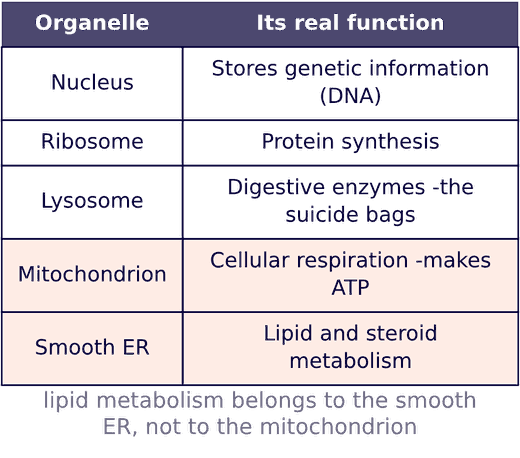 The other three pairs are correct: the nucleus holds the DNA and so stores the genetic information, ribosomes are the site of protein synthesis, and lysosomes, packed with digestive enzymes, are called 'suicide bags' because they can burst and digest their own cell.
Hence the correct option is (d).
The other three pairs are correct: the nucleus holds the DNA and so stores the genetic information, ribosomes are the site of protein synthesis, and lysosomes, packed with digestive enzymes, are called 'suicide bags' because they can burst and digest their own cell.
Hence the correct option is (d).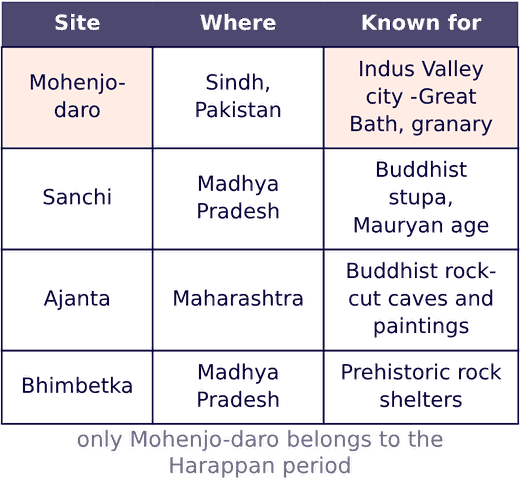 The other three sites belong to completely different ages: Bhimbetka has prehistoric rock shelters and paintings, Sanchi a Buddhist stupa of the Mauryan age, and Ajanta Buddhist rock-cut caves of the Satavahana-Vakataka period.
Hence the correct option is (b).
The other three sites belong to completely different ages: Bhimbetka has prehistoric rock shelters and paintings, Sanchi a Buddhist stupa of the Mauryan age, and Ajanta Buddhist rock-cut caves of the Satavahana-Vakataka period.
Hence the correct option is (b).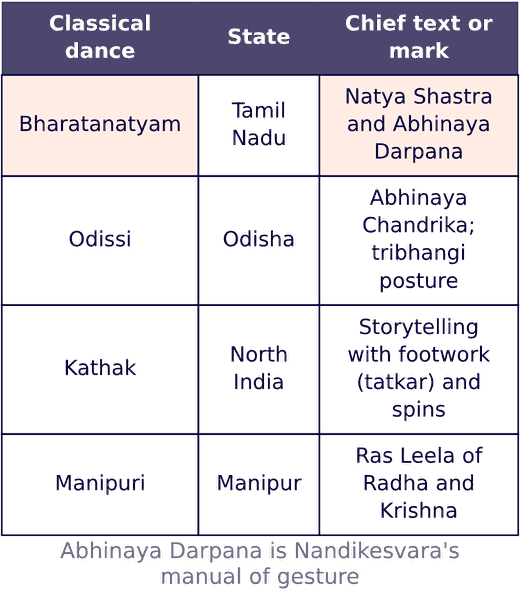 The other three forms are governed by traditions and texts of their own - Odissi, for instance, follows the Abhinaya Chandrika - so none of them is the form whose grammar the Abhinaya Darpana lays down.
Hence the correct option is (d).
The other three forms are governed by traditions and texts of their own - Odissi, for instance, follows the Abhinaya Chandrika - so none of them is the form whose grammar the Abhinaya Darpana lays down.
Hence the correct option is (d).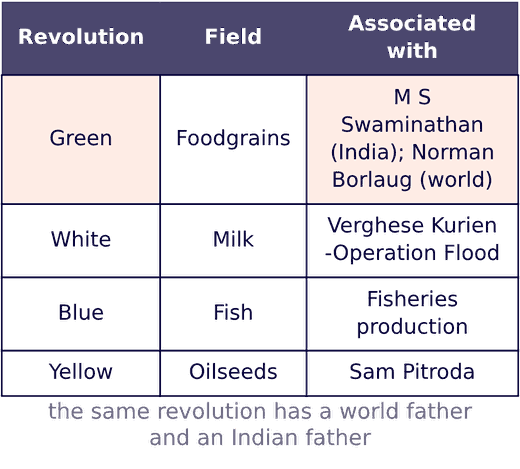 Norman Borlaug is the father of the Green Revolution worldwide, not in India, and Verghese Kurien is the father of the White Revolution - Operation Flood in milk - so neither answers the question as asked.
Hence the correct option is (d).
Norman Borlaug is the father of the Green Revolution worldwide, not in India, and Verghese Kurien is the father of the White Revolution - Operation Flood in milk - so neither answers the question as asked.
Hence the correct option is (d).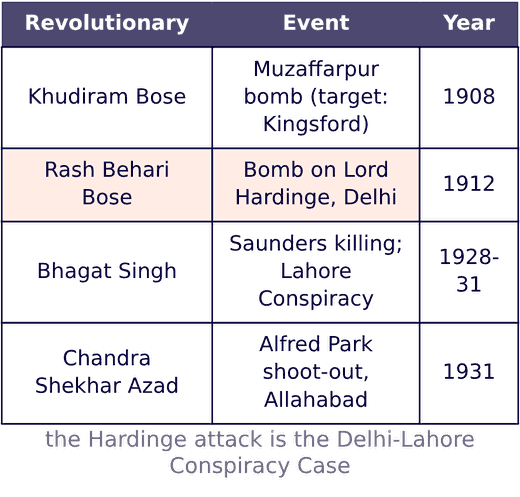 The three other names belong to different events - Khudiram Bose to the Muzaffarpur bomb of 1908 aimed at Magistrate Kingsford, Bhagat Singh to the Saunders killing and the Lahore Conspiracy Case, and Chandra Shekhar Azad to the shoot-out at Alfred Park in 1931.
Hence the correct option is (d).
The three other names belong to different events - Khudiram Bose to the Muzaffarpur bomb of 1908 aimed at Magistrate Kingsford, Bhagat Singh to the Saunders killing and the Lahore Conspiracy Case, and Chandra Shekhar Azad to the shoot-out at Alfred Park in 1931.
Hence the correct option is (d).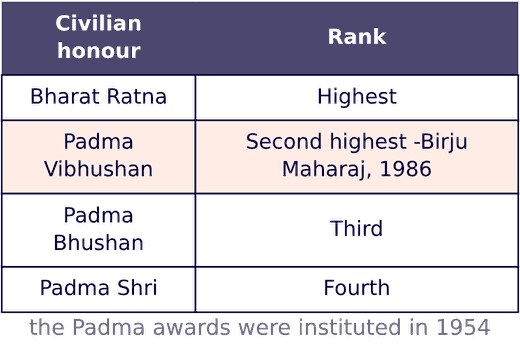 Hence the correct option is (c).
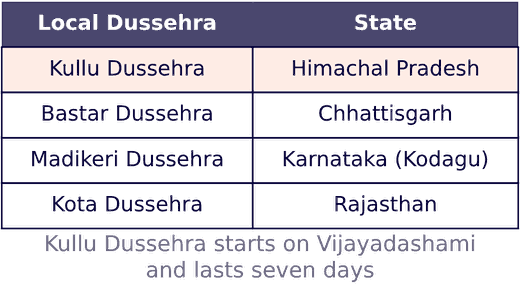 The other three names belong to other states - Bastar Dussehra to Chhattisgarh, Madikeri Dussehra to Kodagu in Karnataka and Kota Dussehra to Rajasthan - so none of them is the Himachali form.
Hence the correct option is (d).
The other three names belong to other states - Bastar Dussehra to Chhattisgarh, Madikeri Dussehra to Kodagu in Karnataka and Kota Dussehra to Rajasthan - so none of them is the Himachali form.
Hence the correct option is (d).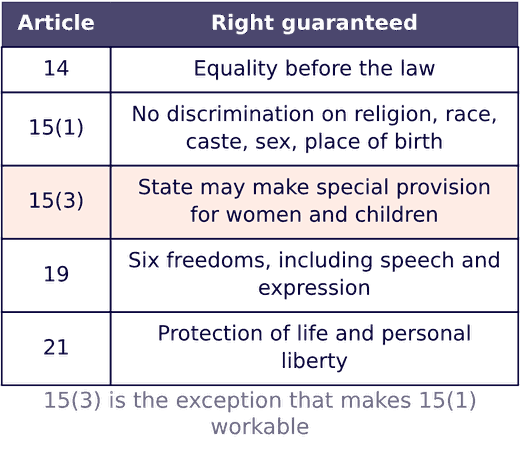 Article 14 only guarantees equality before the law, Article 19 the six freedoms, and Article 21 protection of life and personal liberty; none of them carries an enabling clause for women and children, and there is in fact no clause numbered 21(5) in the Constitution.
Hence the correct option is (c).
Article 14 only guarantees equality before the law, Article 19 the six freedoms, and Article 21 protection of life and personal liberty; none of them carries an enabling clause for women and children, and there is in fact no clause numbered 21(5) in the Constitution.
Hence the correct option is (c).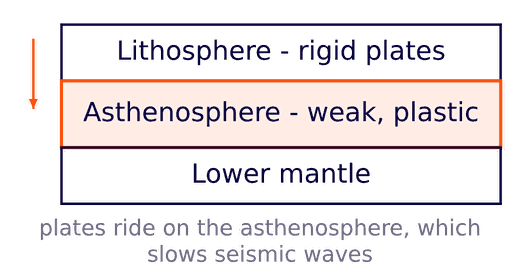 The exosphere, ionosphere and troposphere are layers of the atmosphere, not of the solid Earth, so no layer of the mantle can lie beneath any of them.
Hence the correct option is (c).
The exosphere, ionosphere and troposphere are layers of the atmosphere, not of the solid Earth, so no layer of the mantle can lie beneath any of them.
Hence the correct option is (c).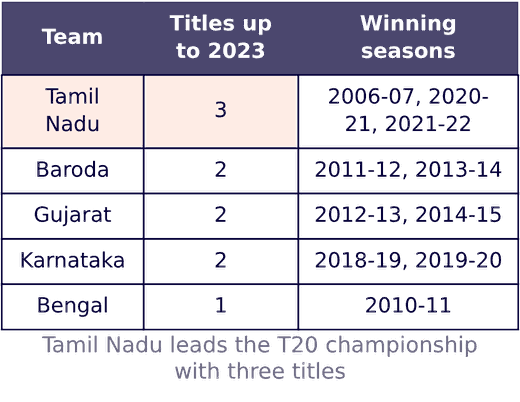 No one else has more than two: Baroda, Gujarat and Karnataka have two each and Bengal one. Punjab had not won it at all up to 2023 - their first title came in 2023-24 - and Jharkhand and Vidarbha have never won it.
Hence the correct option is (b).
No one else has more than two: Baroda, Gujarat and Karnataka have two each and Bengal one. Punjab had not won it at all up to 2023 - their first title came in 2023-24 - and Jharkhand and Vidarbha have never won it.
Hence the correct option is (b).