
1
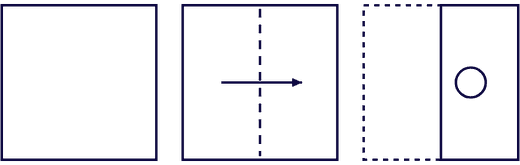
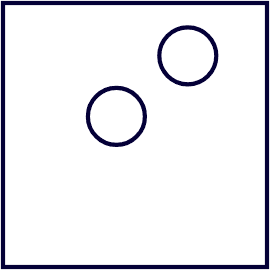
A square sheet of paper is folded along the dotted line successively along the directions shown and is then punched after the last fold. How would the paper look when unfolded ?
- A.
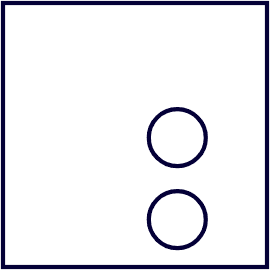
- B.
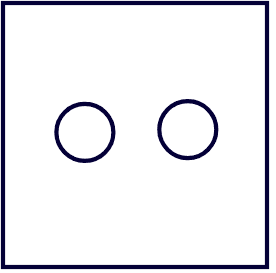
- C.
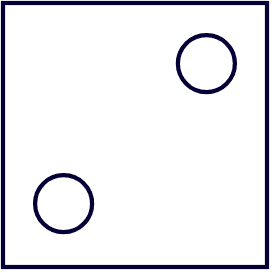
- D.
Solution
Paper folding and punching
The dotted line is vertical and the arrow points to the right, so the left half is folded over onto the right half.
After that fold only the right half is visible, and a single punch is made a little right of the centre of that half, at mid-height.
Unfolding reverses the fold, so the punch reappears on the left half as its mirror image in the vertical fold line.
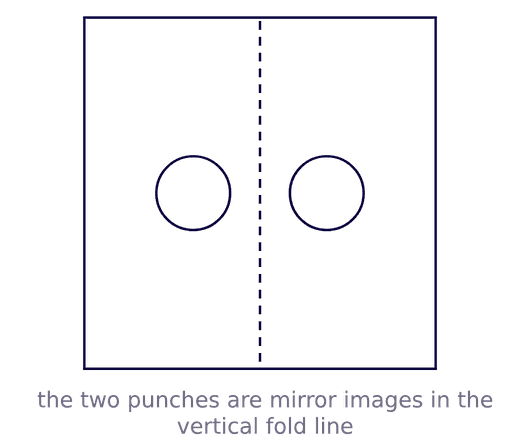 The sheet therefore shows two holes at the SAME height, one on each side of the vertical centre line and equally far from it.
Option (b) alone shows that; (a) stacks the two holes one above the other, and (c) and (d) put them at different heights, which a single punch on a vertical fold can never produce.
The sheet therefore shows two holes at the SAME height, one on each side of the vertical centre line and equally far from it.
Option (b) alone shows that; (a) stacks the two holes one above the other, and (c) and (d) put them at different heights, which a single punch on a vertical fold can never produce.
The sheet therefore shows two holes at the SAME height, one on each side of the vertical centre line and equally far from it.
Option (b) alone shows that; (a) stacks the two holes one above the other, and (c) and (d) put them at different heights, which a single punch on a vertical fold can never produce.
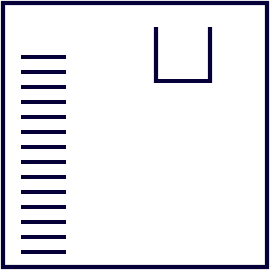
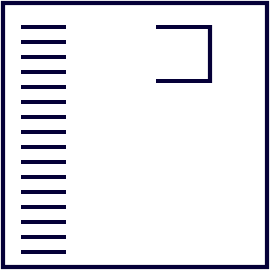
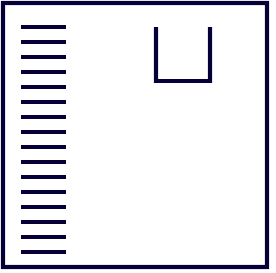
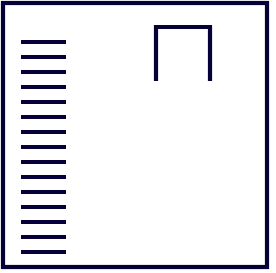
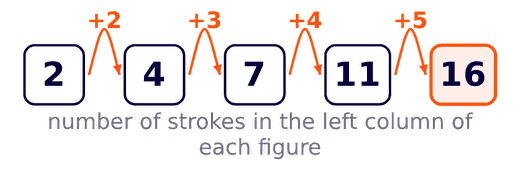 The bracket in the top-right corner turns as well: it opens right, then down (a quarter turn), then up (a half turn), then right (a quarter turn) - quarter and half turns alternate.
The next turn is therefore a half turn, and a bracket opening right becomes a bracket opening LEFT.
Only option (b) has the bracket opening to the left, and it carries the required 16 strokes, so option (b) is correct.
The bracket in the top-right corner turns as well: it opens right, then down (a quarter turn), then up (a half turn), then right (a quarter turn) - quarter and half turns alternate.
The next turn is therefore a half turn, and a bracket opening right becomes a bracket opening LEFT.
Only option (b) has the bracket opening to the left, and it carries the required 16 strokes, so option (b) is correct.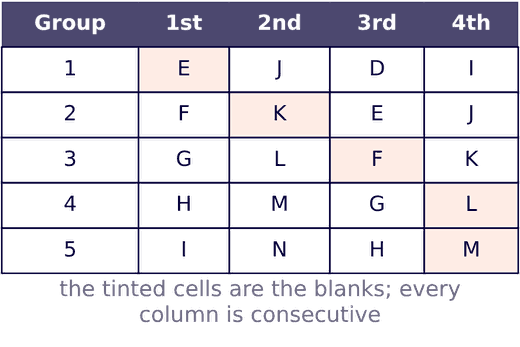 Now read each position DOWN the five groups instead of across.
1st letters: E, F, G, H, I; 2nd letters: J, K, L, M, N; 3rd letters: D, E, F, G, H; 4th letters: I, J, K, L, M - every column runs in consecutive alphabetical order.
The blanks are the 1st letter of group 1, the 2nd of group 2, the 3rd of group 3 and the 4th of groups 4 and 5, giving E, K, F, L, M.
The required combination is EKFLM, so option (c) is correct.
Now read each position DOWN the five groups instead of across.
1st letters: E, F, G, H, I; 2nd letters: J, K, L, M, N; 3rd letters: D, E, F, G, H; 4th letters: I, J, K, L, M - every column runs in consecutive alphabetical order.
The blanks are the 1st letter of group 1, the 2nd of group 2, the 3rd of group 3 and the 4th of groups 4 and 5, giving E, K, F, L, M.
The required combination is EKFLM, so option (c) is correct.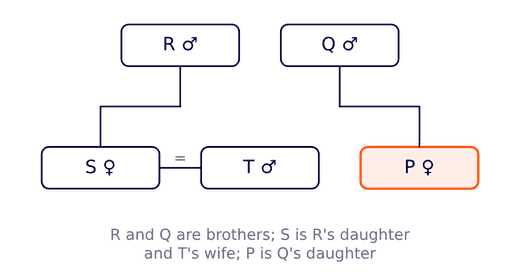 Now walk back from T: S is T's wife, R is S's father, Q is R's brother, and P is Q's daughter.
So P is T's wife's father's brother's daughter, and option (c) is correct.
Now walk back from T: S is T's wife, R is S's father, Q is R's brother, and P is Q's daughter.
So P is T's wife's father's brother's daughter, and option (c) is correct.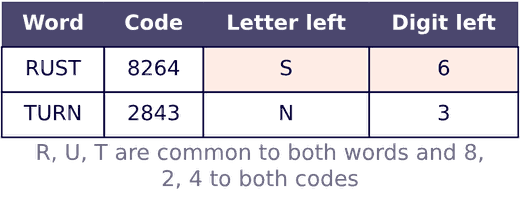 'RUST' is left with S and the digit 6; 'TURN' is left with N and the digit 3.
Hence S is coded as 6, so option (d) is correct.
'RUST' is left with S and the digit 6; 'TURN' is left with N and the digit 3.
Hence S is coded as 6, so option (d) is correct.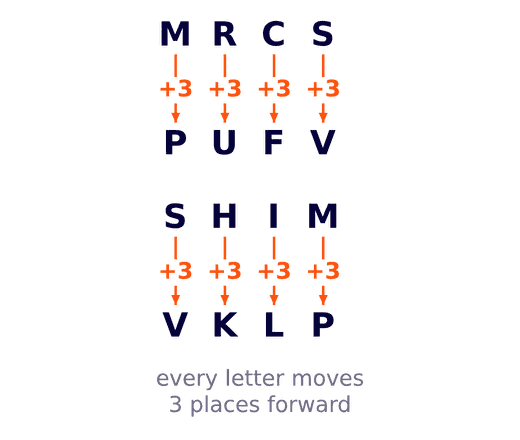 Apply +3 to SHIM: S→V, H→K, I→L, M→P.
SHIM is therefore related to VKLP, so option (c) is correct.
Apply +3 to SHIM: S→V, H→K, I→L, M→P.
SHIM is therefore related to VKLP, so option (c) is correct.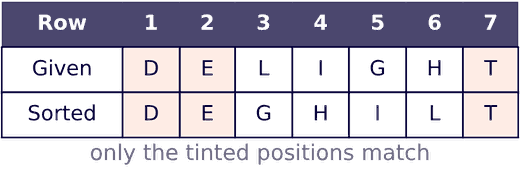 Compare the two rows position by position: D (1st), E (2nd) and T (7th) fall in the same place in both.
L, I, G and H all shift, so exactly three letters keep their positions and option (a) is correct.
Compare the two rows position by position: D (1st), E (2nd) and T (7th) fall in the same place in both.
L, I, G and H all shift, so exactly three letters keep their positions and option (a) is correct.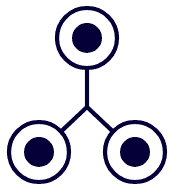 (X)
(X)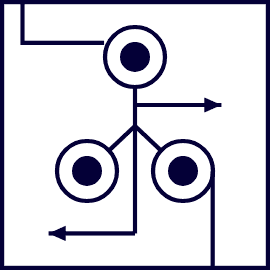
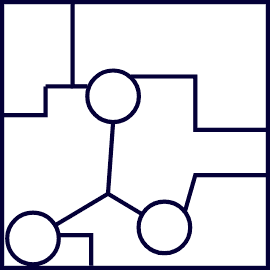
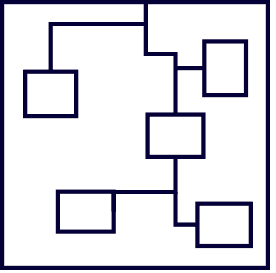
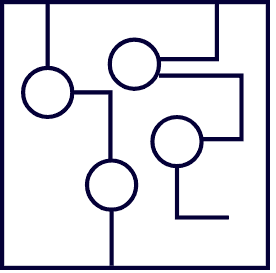
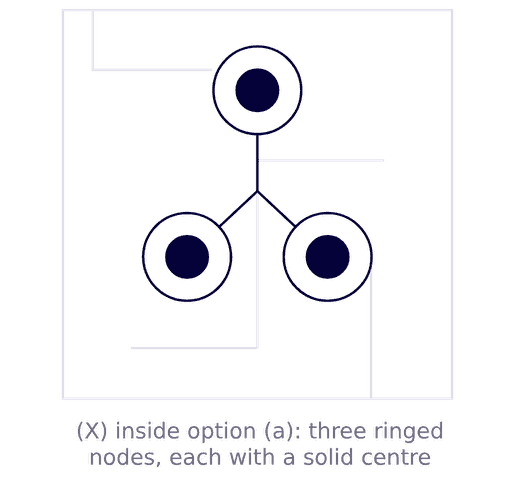 The centre dot is the deciding detail. The circles in options (b) and (d) are plain hollow rings with nothing inside them, and option (c) is built from squares, so none of those three can contain (X).
In option (a) the ringed top node, the vertical stem, the junction and the two equal arms running down to the two ringed lower nodes appear exactly as in (X) - same size, same slant, no rotation.
So option (a) is correct.
The centre dot is the deciding detail. The circles in options (b) and (d) are plain hollow rings with nothing inside them, and option (c) is built from squares, so none of those three can contain (X).
In option (a) the ringed top node, the vertical stem, the junction and the two equal arms running down to the two ringed lower nodes appear exactly as in (X) - same size, same slant, no rotation.
So option (a) is correct.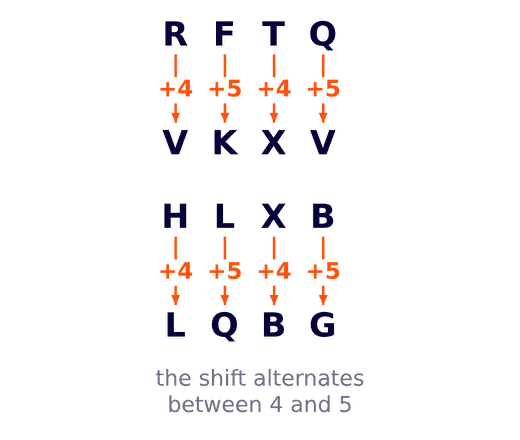 Apply it to HLXB: H+4 = L, L+5 = Q, X+4 = B (counting on past Z back to A), B+5 = G.
HLXB is therefore related to LQBG, so option (d) is correct.
Apply it to HLXB: H+4 = L, L+5 = Q, X+4 = B (counting on past Z back to A), B+5 = G.
HLXB is therefore related to LQBG, so option (d) is correct.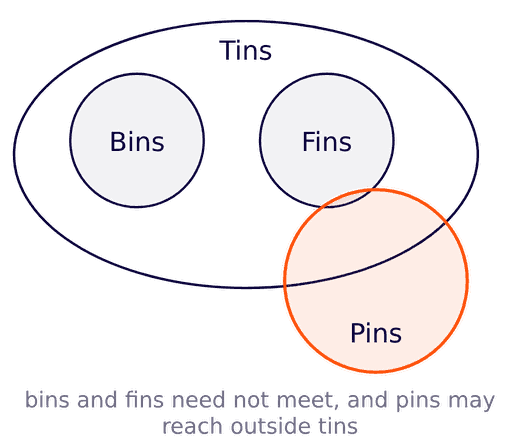 Conclusion (I): only those pins that happen to be fins are forced to be tins. The remaining pins may lie entirely outside tins, so 'All pins are tins' does not follow.
Conclusion (II): bins and fins are both inside tins, but nothing makes them touch - they can be two separate parts of tins, so 'Some bins are fins' does not follow.
A possibility is not a certainty, so neither conclusion follows and option (d) is correct.
Conclusion (I): only those pins that happen to be fins are forced to be tins. The remaining pins may lie entirely outside tins, so 'All pins are tins' does not follow.
Conclusion (II): bins and fins are both inside tins, but nothing makes them touch - they can be two separate parts of tins, so 'Some bins are fins' does not follow.
A possibility is not a certainty, so neither conclusion follows and option (d) is correct.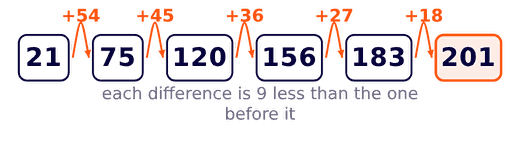 Required term =183+18=201, so option (a) is correct.
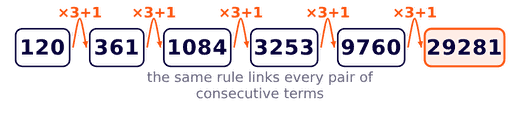 Next term , so option (d) is correct.
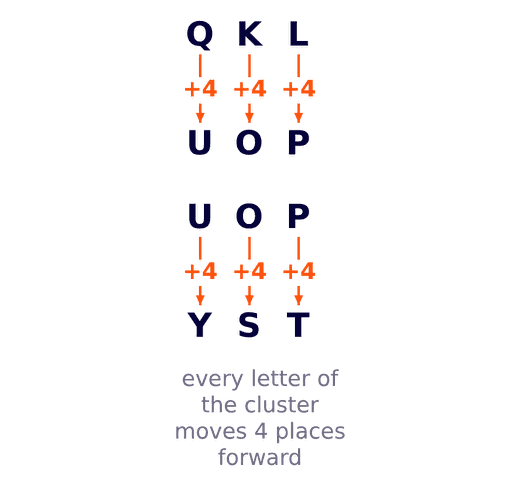 The missing cluster is YST, so option (b) is correct.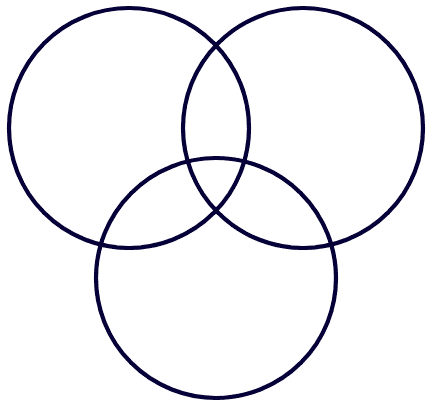
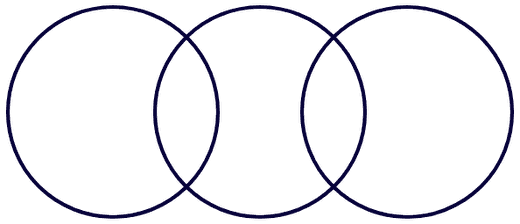
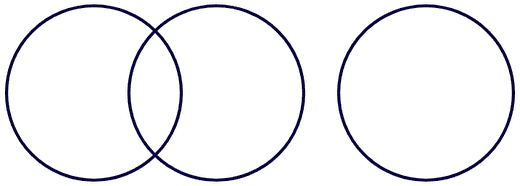
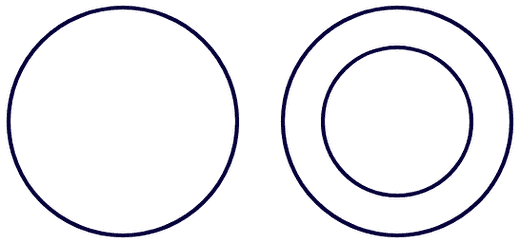
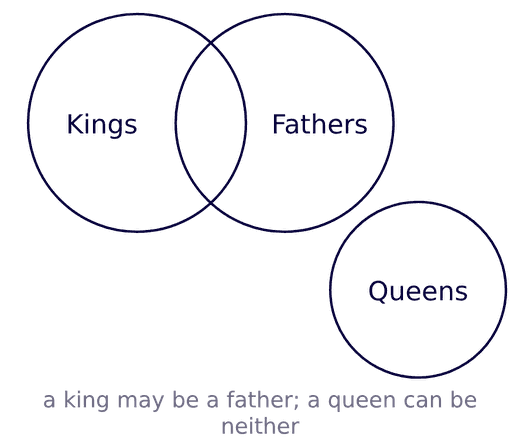 So the picture needed is two intersecting circles plus a third circle that touches neither of them.
Option (c) is exactly that. In (a) and (b) the Queens circle cuts Kings or Fathers, and in (d) one class is drawn wholly inside another, which is true of no pair here.
So the picture needed is two intersecting circles plus a third circle that touches neither of them.
Option (c) is exactly that. In (a) and (b) the Queens circle cuts Kings or Fathers, and in (d) one class is drawn wholly inside another, which is true of no pair here.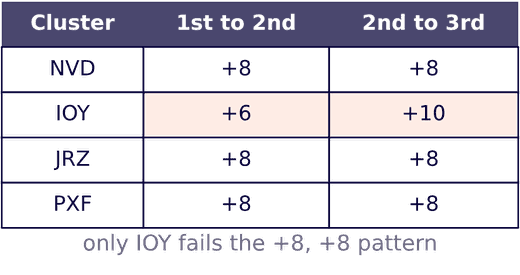 IOY breaks it: I(9) +6 = O(15) and O(15) +10 = Y(25) - the two gaps are 6 and 10, not 8 and 8.
IOY does not belong to the group, so option (b) is correct.
IOY breaks it: I(9) +6 = O(15) and O(15) +10 = Y(25) - the two gaps are 6 and 10, not 8 and 8.
IOY does not belong to the group, so option (b) is correct.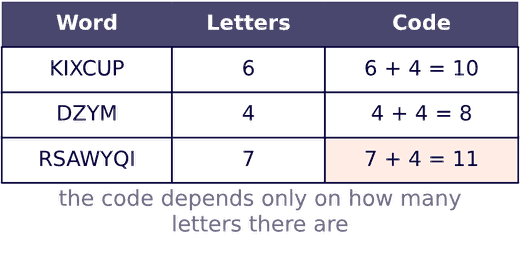 'RSAWYQI' has 7 letters, so its code is 7+4=11, and option (b) is correct.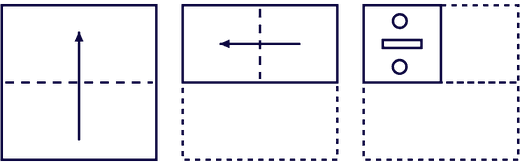
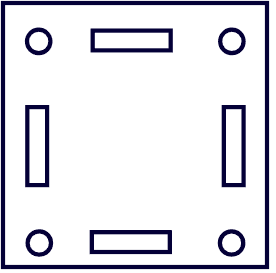
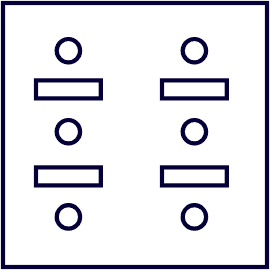
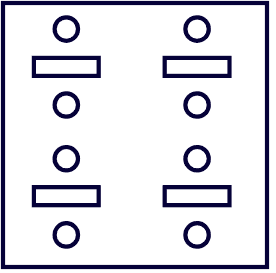
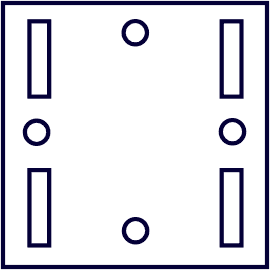
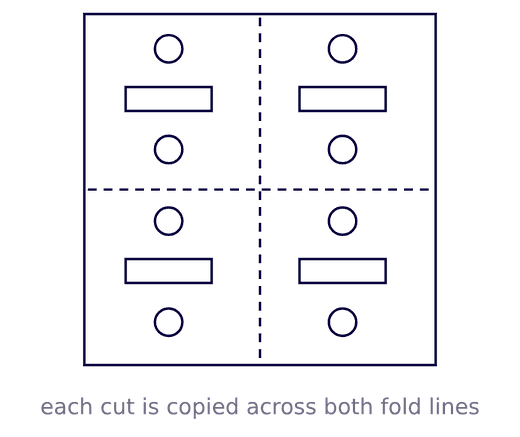 Opening the vertical fold mirrors the quarter to the right of the vertical centre line, so the top half carries TWO identical columns.
Opening the horizontal fold mirrors both columns below the horizontal centre line, so each column reads circle, bar, circle above the line and circle, bar, circle below it.
That gives 8 circles and 4 bars, symmetric about both centre lines, which is option (c).
Option (b) puts only three circles and two bars in each column (it forgets one mirror), and (a) and (d) scatter the cuts round the border instead of in two columns.
Opening the vertical fold mirrors the quarter to the right of the vertical centre line, so the top half carries TWO identical columns.
Opening the horizontal fold mirrors both columns below the horizontal centre line, so each column reads circle, bar, circle above the line and circle, bar, circle below it.
That gives 8 circles and 4 bars, symmetric about both centre lines, which is option (c).
Option (b) puts only three circles and two bars in each column (it forgets one mirror), and (a) and (d) scatter the cuts round the border instead of in two columns.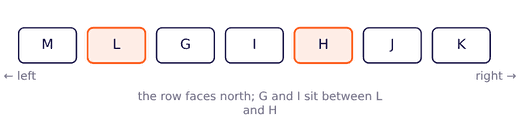 Between H (seat 5) and L (seat 2) sit G and I - two people - so option (a) is correct.
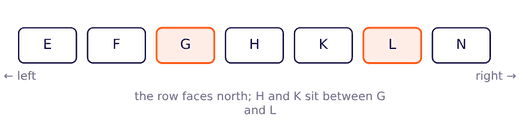 Between G (seat 3) and L (seat 6) sit H and K - two people - so option (c) is correct.