
26
A shopkeeper bought 20 dozens of eggs at ₹60 per dozen. He sold 15 dozens at ₹70 per dozen and the remaining eggs at ₹55 per dozen. What is his total profit or loss?
- A.₹155 Profit
- B.₹125 Profit
- C.₹145 Loss
- D.₹120 Profit
Solution
Profit and loss
Cost price of all the eggs , i.e. ₹1,200.
Selling price of the first lot , i.e. ₹1,050.
Eggs left =20-15=5 dozen, sold at ₹55 a dozen, so , i.e. ₹275.
Total selling price =1050+275=1325, i.e. ₹1,325.
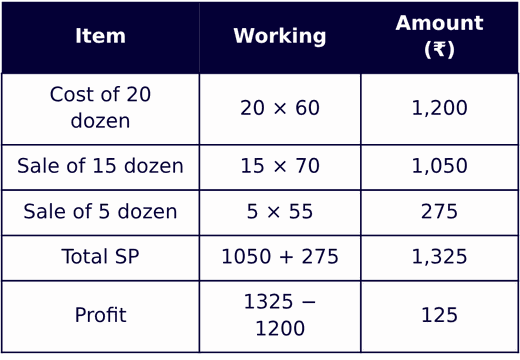 The selling price is more than the cost price, so profit =1325-1200=125, i.e. a profit of ₹125.
Hence the correct option is (b).
The selling price is more than the cost price, so profit =1325-1200=125, i.e. a profit of ₹125.
Hence the correct option is (b).
The selling price is more than the cost price, so profit =1325-1200=125, i.e. a profit of ₹125.
Hence the correct option is (b).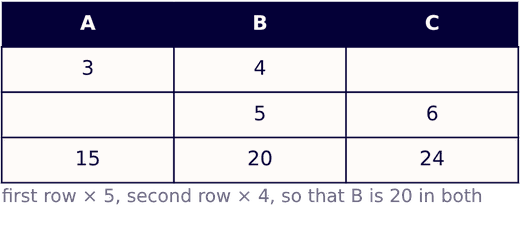 Now B stands for 20 in both, so the three can be written together as A:B:C=15:20:24.
Hence the correct option is (b).
Now B stands for 20 in both, so the three can be written together as A:B:C=15:20:24.
Hence the correct option is (b).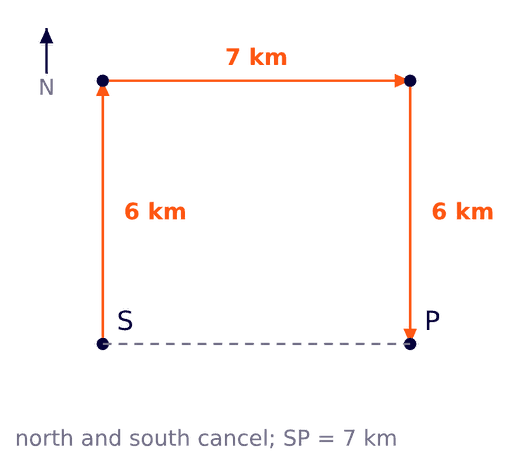 The 6 km walked north and the 6 km walked south are equal and opposite, so they cancel each other.
Only the 7 km walked east is left, and it is a straight line, so his distance from S is 7 km.
Hence the correct option is (b).
The 6 km walked north and the 6 km walked south are equal and opposite, so they cancel each other.
Only the 7 km walked east is left, and it is a straight line, so his distance from S is 7 km.
Hence the correct option is (b).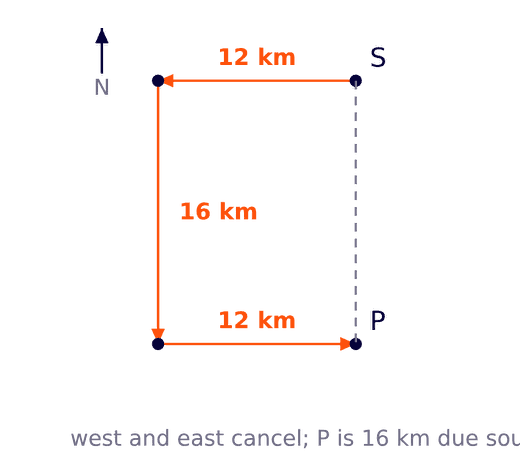 The 12 km walked west and the 12 km walked east are equal and opposite, so no east–west displacement is left.
Only the 16 km walked south remains, so the finishing point lies straight south of S.
Hence the correct option is (b).
The 12 km walked west and the 12 km walked east are equal and opposite, so no east–west displacement is left.
Only the 16 km walked south remains, so the finishing point lies straight south of S.
Hence the correct option is (b).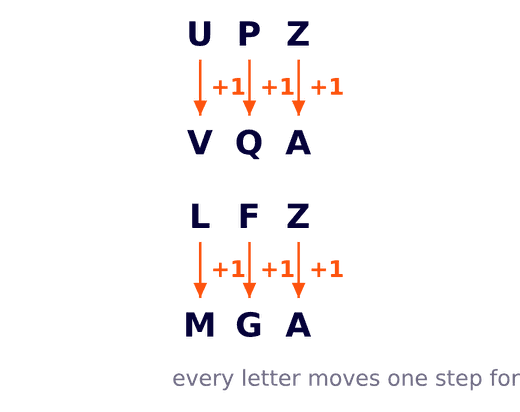 Apply the same rule to LFZ: L+1=M, F+1=G and Z+1=A.
So LFZ : MGA.
Hence the correct option is (d).
Apply the same rule to LFZ: L+1=M, F+1=G and Z+1=A.
So LFZ : MGA.
Hence the correct option is (d).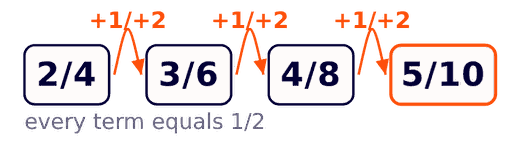 The next numerator is 5, so the next denominator is 10 and the missing term is .
Hence the correct option is (b).
The next numerator is 5, so the next denominator is 10 and the missing term is .
Hence the correct option is (b).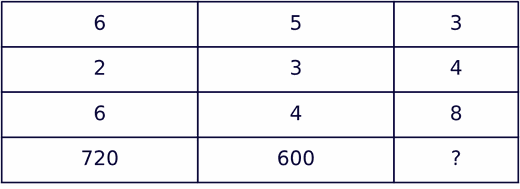
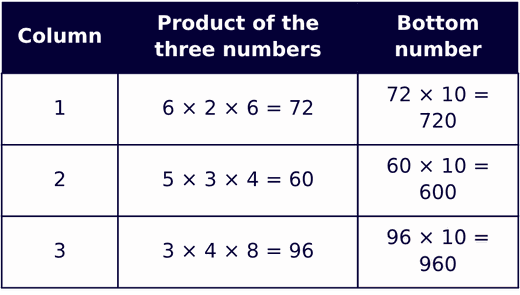 Third column: , so the missing number is .
Hence the correct option is (b).
Third column: , so the missing number is .
Hence the correct option is (b).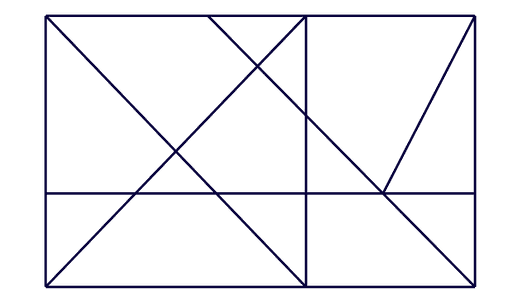
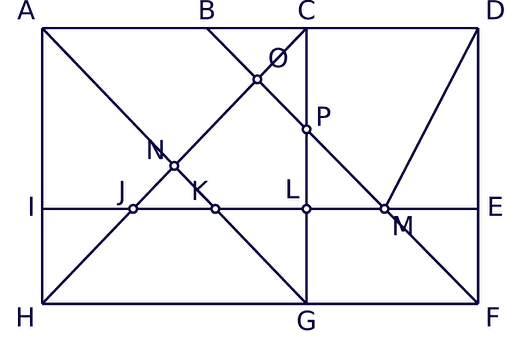 The two long slanting lines AG and HC with the sides of the rectangle give AGH, ACH, ACG, ACN, AHN, GHN and CGN — 7 triangles.
The middle line IE cuts the same region again and gives AIK, HIJ, CJL, GKL and JKN — 5 more.
The vertical CG together with BF gives CGH, BCO, BCP, COP, FGP, FHO, JMO and LMP — 8 more.
The short line DM on the right, with BF, DF and IE, gives BDF, BDM, DEM, DFM and EFM — 5 more.
Total number of triangles =7+5+8+5=25.
Hence the correct option is (a).
The two long slanting lines AG and HC with the sides of the rectangle give AGH, ACH, ACG, ACN, AHN, GHN and CGN — 7 triangles.
The middle line IE cuts the same region again and gives AIK, HIJ, CJL, GKL and JKN — 5 more.
The vertical CG together with BF gives CGH, BCO, BCP, COP, FGP, FHO, JMO and LMP — 8 more.
The short line DM on the right, with BF, DF and IE, gives BDF, BDM, DEM, DFM and EFM — 5 more.
Total number of triangles =7+5+8+5=25.
Hence the correct option is (a).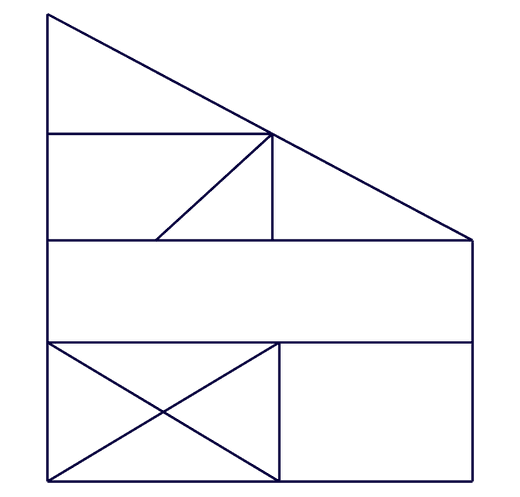
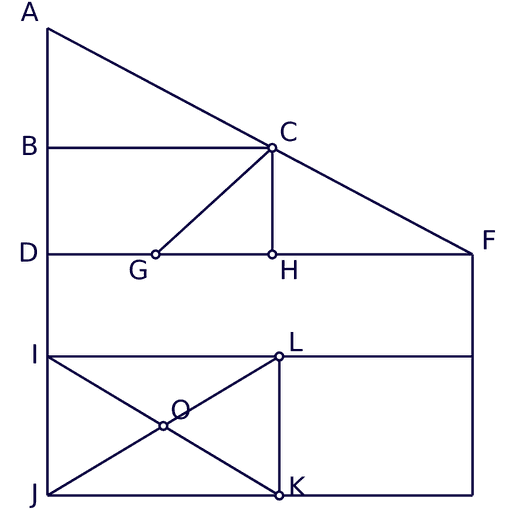 In the upper part the slanting side AF, the horizontals BC and DF and the lines CG and CH give ABC, ADF, CFG, CFH and CGH — 5 triangles.
The wide band between DF and IJ has no slanting line inside it, so it contributes no triangle at all.
The lower rectangle ILKJ has both of its diagonals drawn, and such a rectangle always holds 8 triangles.
They are the four halves IJL, IJK, JKL and IKL and the four small ones IJO, JKO, KLO and ILO.
Total number of triangles =5+0+8=13.
Hence the correct option is (a).
In the upper part the slanting side AF, the horizontals BC and DF and the lines CG and CH give ABC, ADF, CFG, CFH and CGH — 5 triangles.
The wide band between DF and IJ has no slanting line inside it, so it contributes no triangle at all.
The lower rectangle ILKJ has both of its diagonals drawn, and such a rectangle always holds 8 triangles.
They are the four halves IJL, IJK, JKL and IKL and the four small ones IJO, JKO, KLO and ILO.
Total number of triangles =5+0+8=13.
Hence the correct option is (a).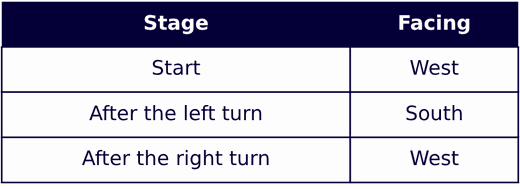 So one left turn followed by one right turn leaves his direction unchanged, and he is finally facing west.
Hence the correct option is (c).
So one left turn followed by one right turn leaves his direction unchanged, and he is finally facing west.
Hence the correct option is (c).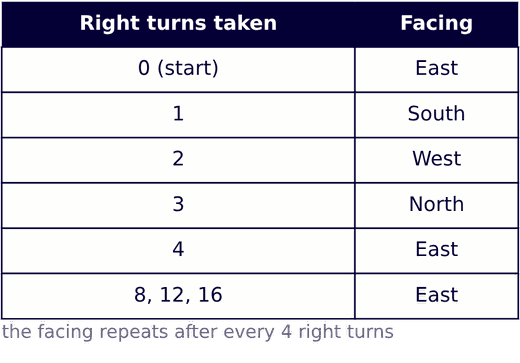 M takes 16 right turns and no left turn, and , so she completes exactly 4 whole rounds.
Her facing at the end is therefore the same as her facing at the start.
She finishes facing east, so she must have started cycling towards the east.
Hence the correct option is (d).
M takes 16 right turns and no left turn, and , so she completes exactly 4 whole rounds.
Her facing at the end is therefore the same as her facing at the start.
She finishes facing east, so she must have started cycling towards the east.
Hence the correct option is (d).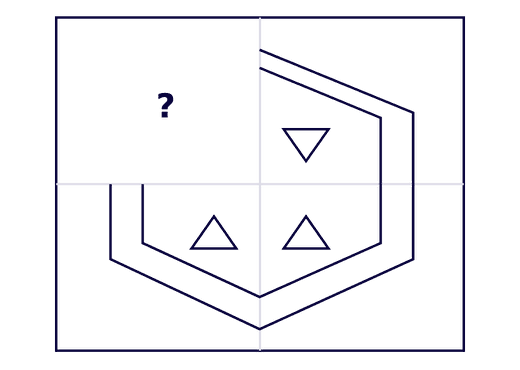
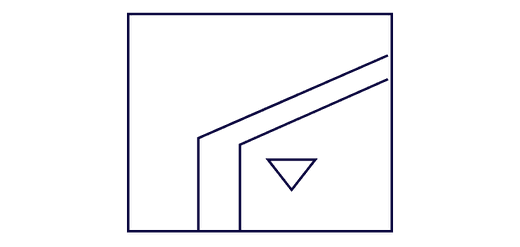
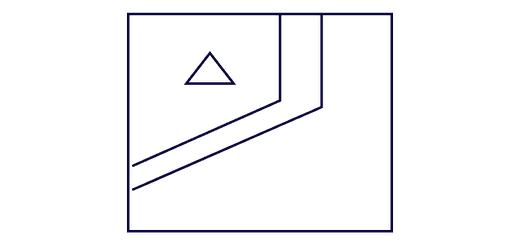
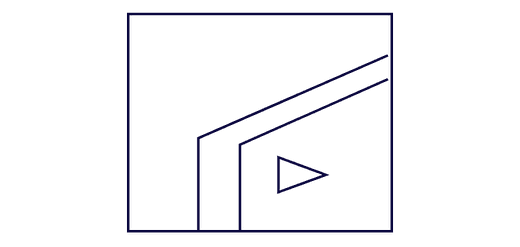
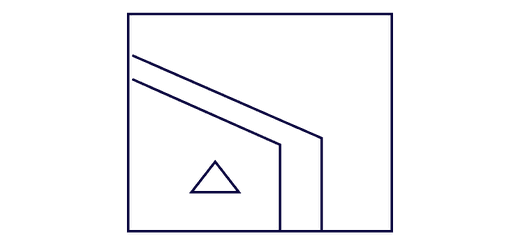
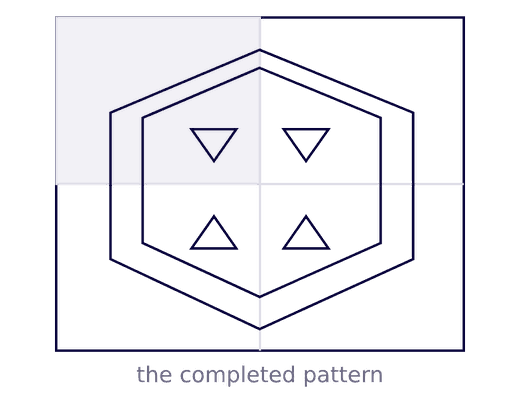 Option (a) alone has both features; (b) and (d) carry an upward triangle and (c) a triangle that points to the right.
Hence the correct option is (a).
Option (a) alone has both features; (b) and (d) carry an upward triangle and (c) a triangle that points to the right.
Hence the correct option is (a).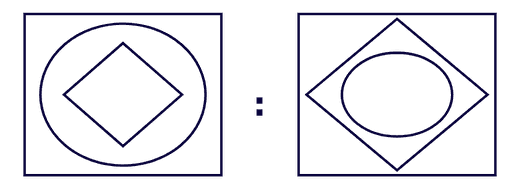
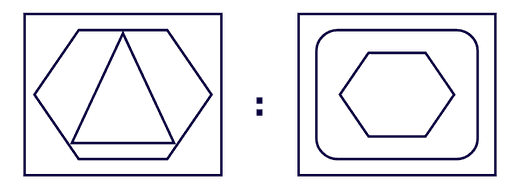
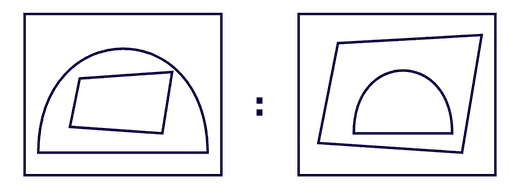
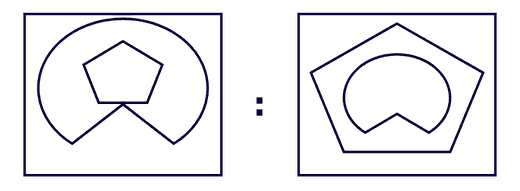
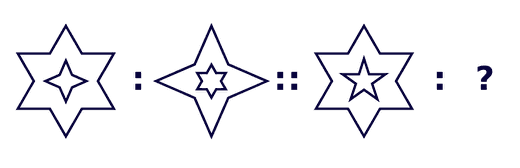
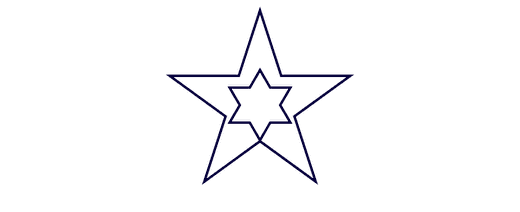
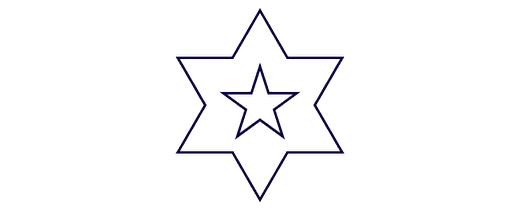
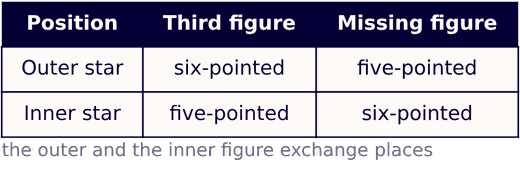 Interchanging the two, the five-pointed star must become the outer figure and the six-pointed star must sit inside it.
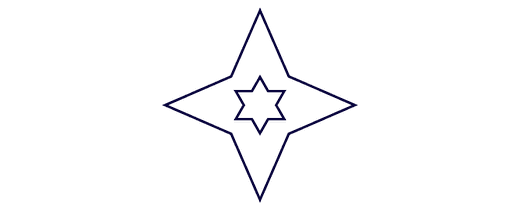
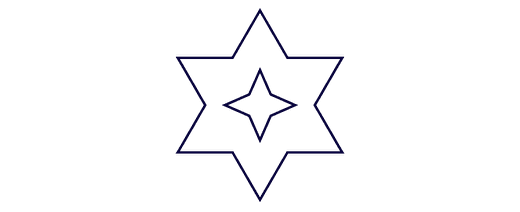
Only one option has a five-pointed star as its outer boundary with a six-pointed star inside it; in the other three the exchange has not been made.
Hence the correct option is (c).
Interchanging the two, the five-pointed star must become the outer figure and the six-pointed star must sit inside it.
Only one option has a five-pointed star as its outer boundary with a six-pointed star inside it; in the other three the exchange has not been made.
Hence the correct option is (c).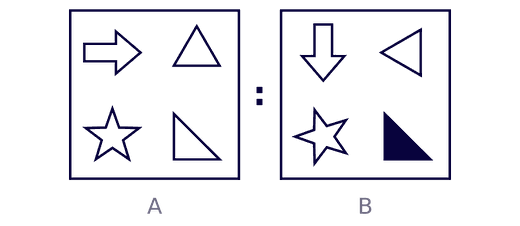
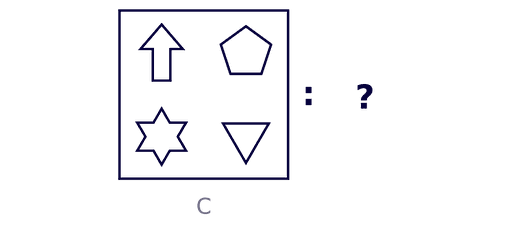
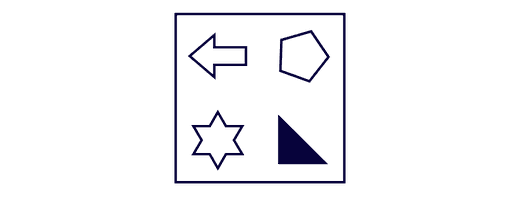
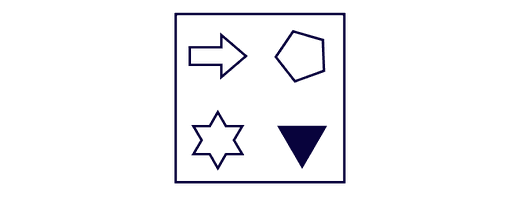
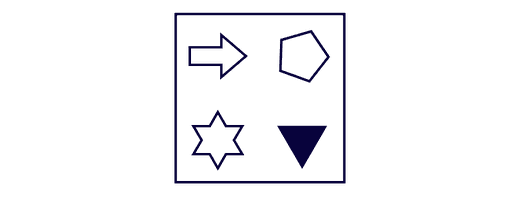
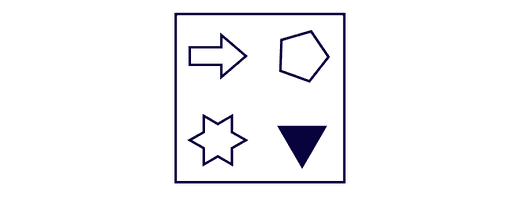
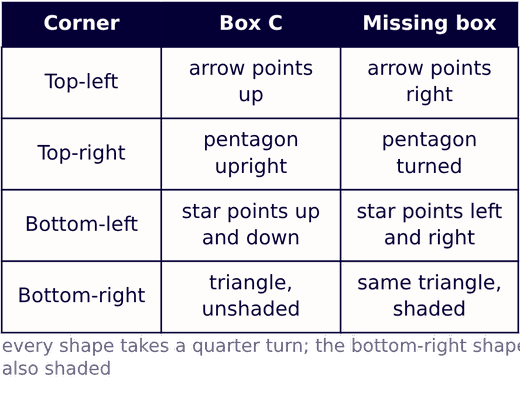 Now treat box C the same way: the upward arrow must become a right-pointing arrow, and the pentagon must tilt through a quarter turn.
The six-pointed star has a point every 60°, so a quarter turn makes it stand on a pair of side points — its points now lie to the left and right instead of straight up and down.
The downward triangle keeps its shape and is shaded.
Option (a) turns the arrow the wrong way and even changes the shaded shape, while (b) and (c) leave the six-pointed star standing upright.
Hence the correct option is (d).
Now treat box C the same way: the upward arrow must become a right-pointing arrow, and the pentagon must tilt through a quarter turn.
The six-pointed star has a point every 60°, so a quarter turn makes it stand on a pair of side points — its points now lie to the left and right instead of straight up and down.
The downward triangle keeps its shape and is shaded.
Option (a) turns the arrow the wrong way and even changes the shaded shape, while (b) and (c) leave the six-pointed star standing upright.
Hence the correct option is (d).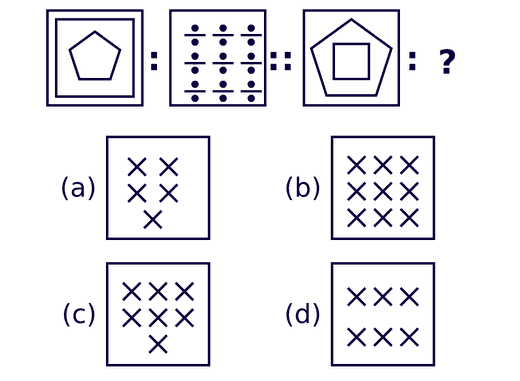
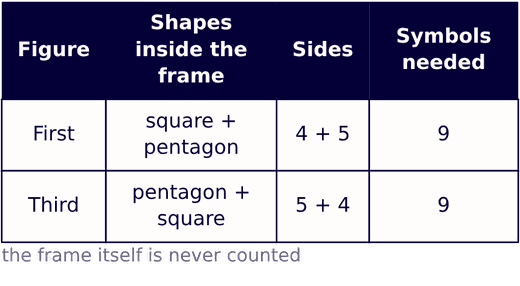 The third figure holds a pentagon and a square, again 5+4=9 sides, so the missing figure must carry 9 symbols.
The symbol itself is not the point — what must be matched is the count, three rows of three.
Options (a), (c) and (d) show only 5, 7 and 6 crosses, so they cannot stand for 9 sides.
Hence the correct option is (b).
The third figure holds a pentagon and a square, again 5+4=9 sides, so the missing figure must carry 9 symbols.
The symbol itself is not the point — what must be matched is the count, three rows of three.
Options (a), (c) and (d) show only 5, 7 and 6 crosses, so they cannot stand for 9 sides.
Hence the correct option is (b).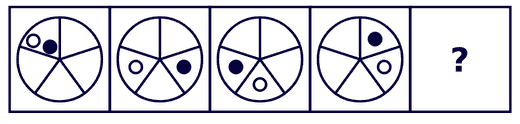
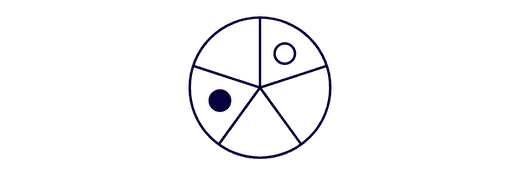
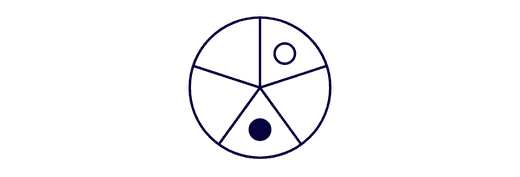
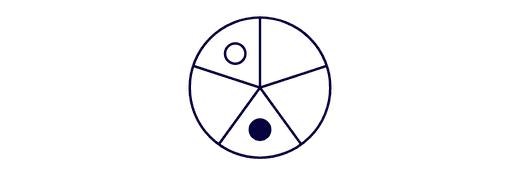
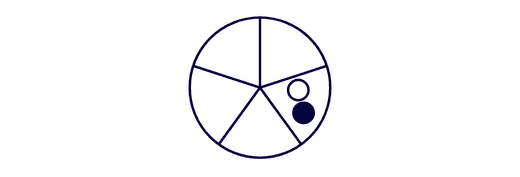
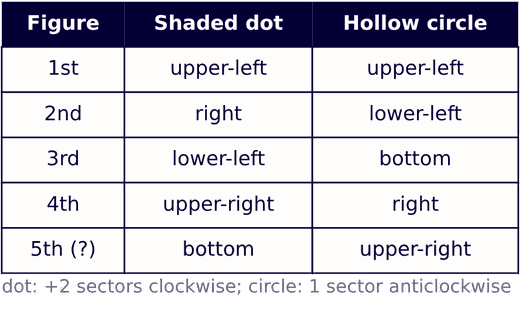 In the fourth figure the shaded dot is in the upper-right sector, so two sectors clockwise brings it to the bottom sector.
The hollow circle is in the right sector, so one sector anticlockwise brings it to the upper-right sector.
The missing figure therefore has the shaded dot at the bottom and the hollow circle at the upper right.
Hence the correct option is (b).
In the fourth figure the shaded dot is in the upper-right sector, so two sectors clockwise brings it to the bottom sector.
The hollow circle is in the right sector, so one sector anticlockwise brings it to the upper-right sector.
The missing figure therefore has the shaded dot at the bottom and the hollow circle at the upper right.
Hence the correct option is (b).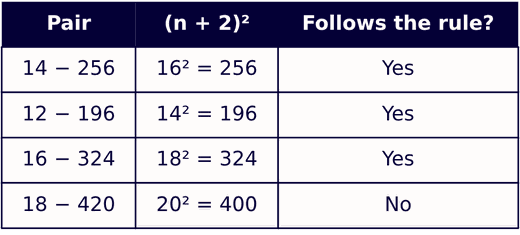 Hence the odd pair is option (d).
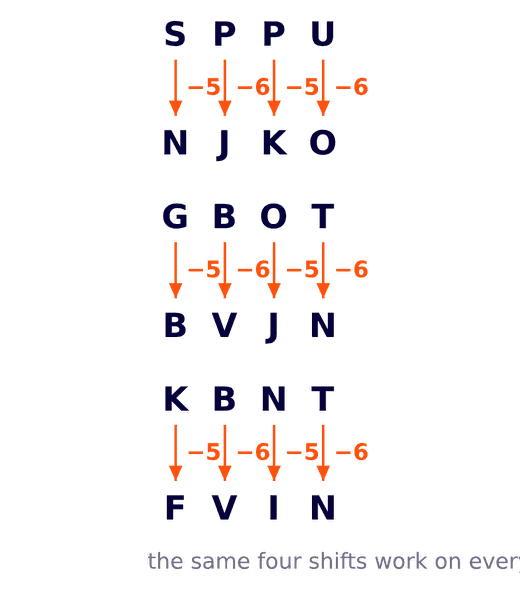 So the shifts are -5,-6,-5,-6 in that order.
For 'KBNT': K-5=F, B-6=V, N-5=I, T-6=N.
The code is 'FVIN'.
Hence the correct option is (d).
So the shifts are -5,-6,-5,-6 in that order.
For 'KBNT': K-5=F, B-6=V, N-5=I, T-6=N.
The code is 'FVIN'.
Hence the correct option is (d).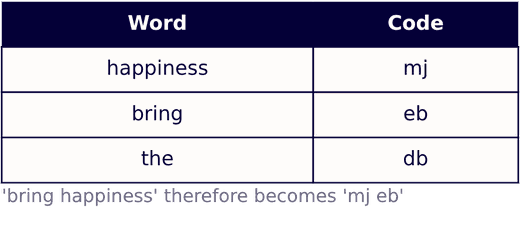 That leaves 'db' for 'the' in statement (i), and the remaining code of statement (ii) for 'light'.
Therefore 'bring happiness' = 'eb' + 'mj', which is printed as 'mj eb'; the codes need not be written in the order of the words.
Hence the correct option is (b).
That leaves 'db' for 'the' in statement (i), and the remaining code of statement (ii) for 'light'.
Therefore 'bring happiness' = 'eb' + 'mj', which is printed as 'mj eb'; the codes need not be written in the order of the words.
Hence the correct option is (b).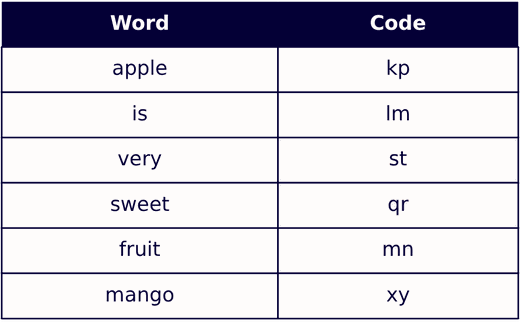 Therefore 'very sweet fruit' = 'st qr mn', which is printed as 'qr mn st'.
Hence the correct option is (c).
Therefore 'very sweet fruit' = 'st qr mn', which is printed as 'qr mn st'.
Hence the correct option is (c).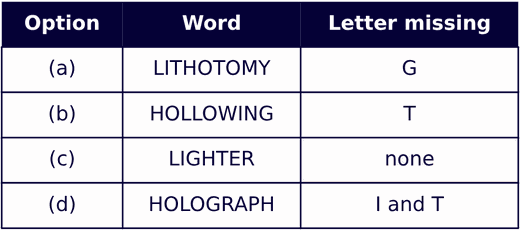 Hence the correct option is (c).
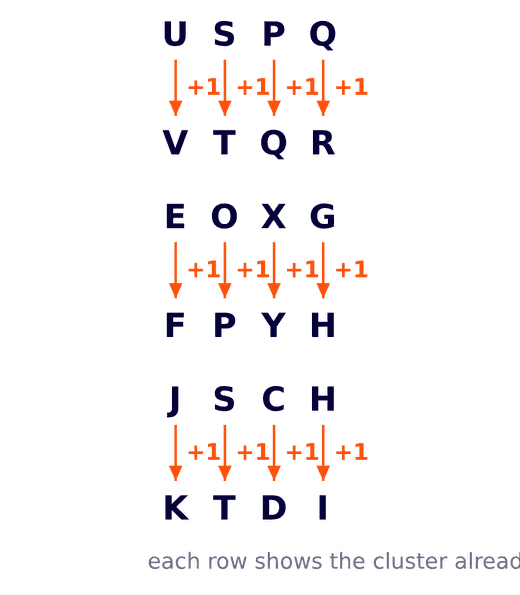 So the rule is: reverse the cluster, then add 1 to every letter.
HCSJ written backwards is JSCH; one step forward gives K, T, D, I.
The required cluster is KTDI.
Hence the correct option is (b).
So the rule is: reverse the cluster, then add 1 to every letter.
HCSJ written backwards is JSCH; one step forward gives K, T, D, I.
The required cluster is KTDI.
Hence the correct option is (b).