
1
Seven people, A, B, L, M, N, S and T, are sitting in a row, facing north(but not necessarily in the same order).
No one sits to the left of B. Only four people sit between B and N. Only three people sit to the right of L. M sits to the immediate left of S. A is not an immediate neighbour of L. Who sits third to the left of A ?
- A.T
- B.S
- C.L
- D.N
Solution
Linear seating
No one sits to the left of B, so B takes seat 1 of the row of seven.
Only four people sit between B and N, so N is four seats away from B: N takes seat 6.
Only three people sit to the right of L, so L takes seat 4.
Seats 2, 3, 5 and 7 are left. M sits immediately left of S, and 2-3 is the only pair of empty seats that are next to each other, so M is at 2 and S at 3.
A is not a neighbour of L (seat 4), so A cannot take seat 5; A takes seat 7 and T takes seat 5.
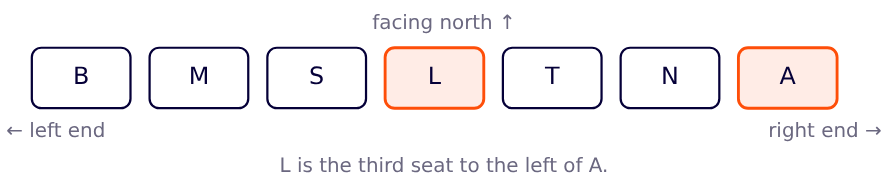 Moving left from A at seat 7: N (6th), T (5th), L (4th) - so L sits third to the left of A.
Hence the correct option is (c).
Moving left from A at seat 7: N (6th), T (5th), L (4th) - so L sits third to the left of A.
Hence the correct option is (c).
Moving left from A at seat 7: N (6th), T (5th), L (4th) - so L sits third to the left of A.
Hence the correct option is (c).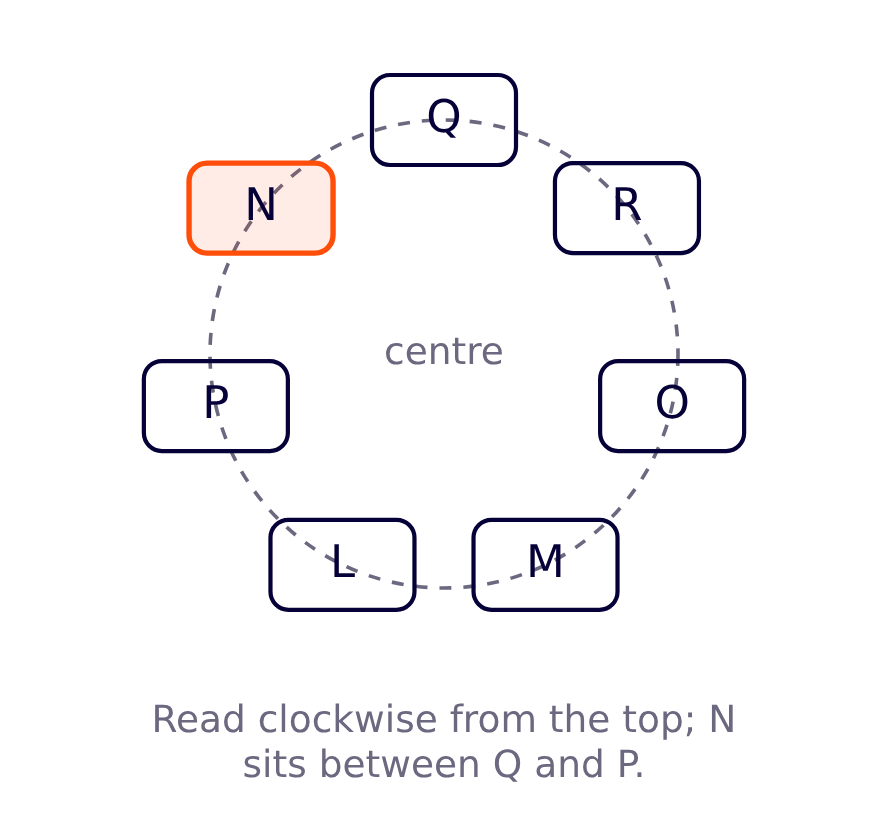 Q's neighbours are R and N; P's neighbours are L and N. The only person common to both is N.
Hence the correct option is (d).
Q's neighbours are R and N; P's neighbours are L and N. The only person common to both is N.
Hence the correct option is (d).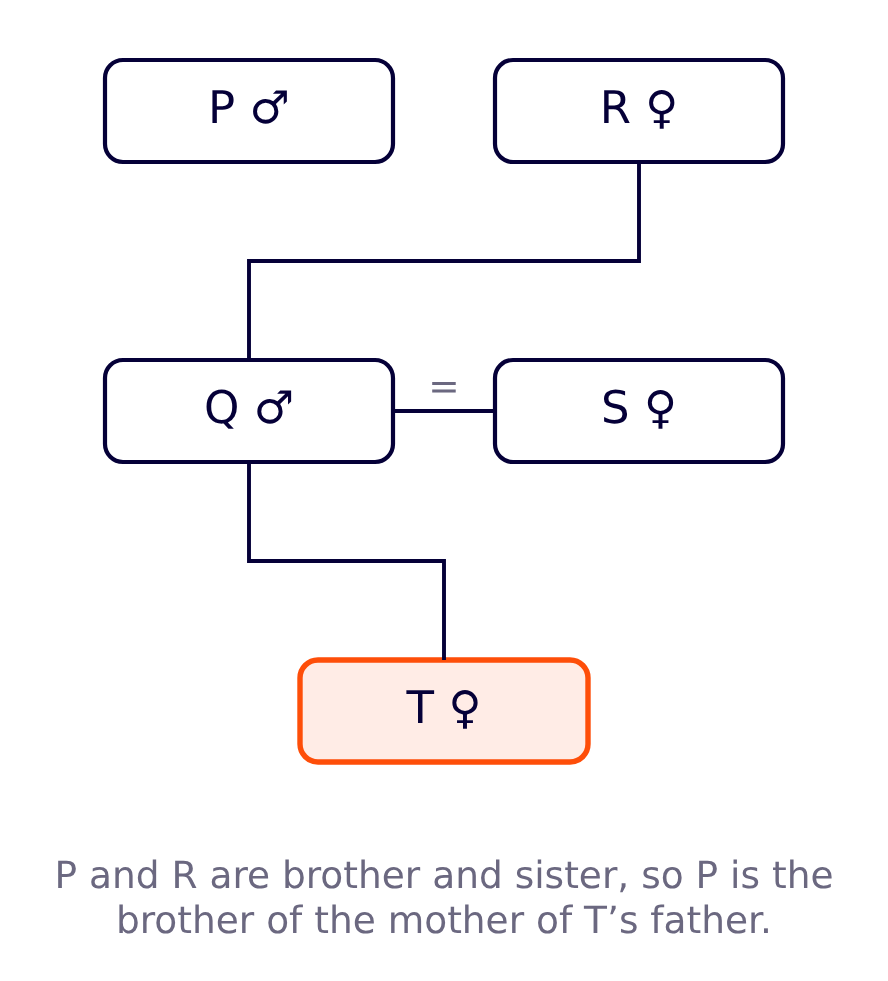 Hence P is T's father's mother's brother, and the correct option is (b).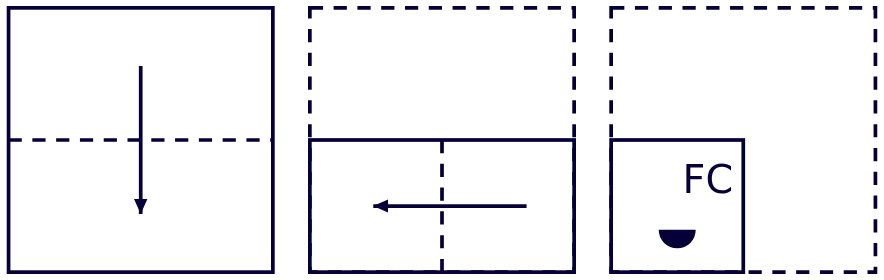
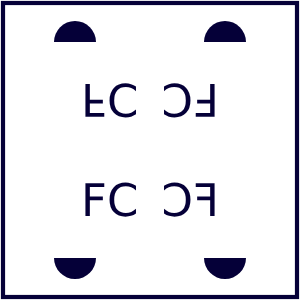
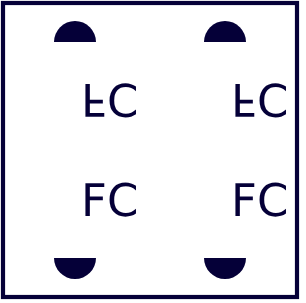
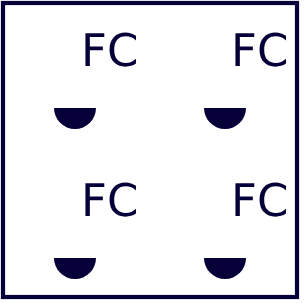
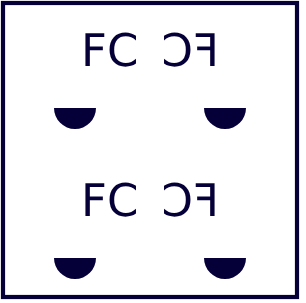
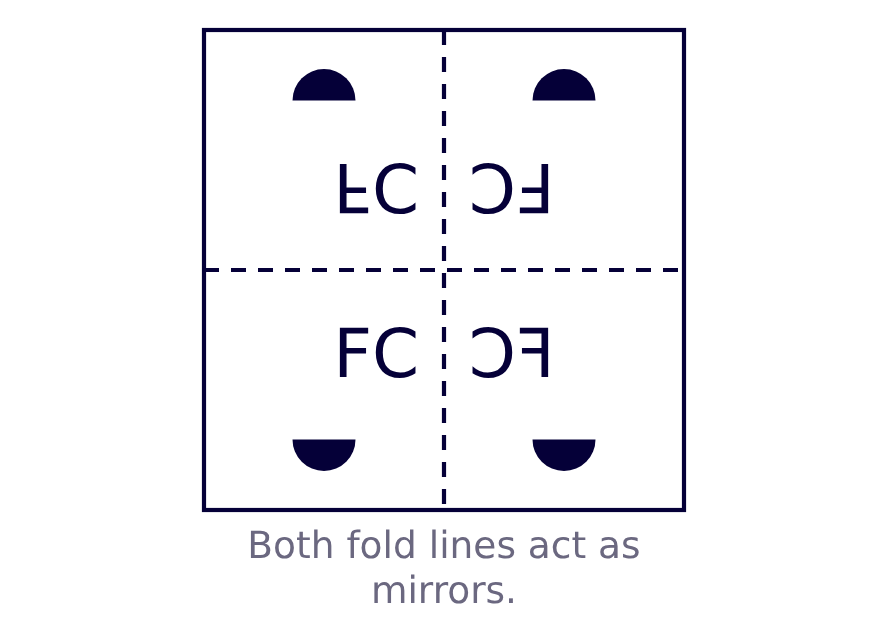 So the top-right quarter must be BOTH reversed and upside down. That happens only in option (a): (b) turns the top half over but does not reverse the right column, (d) reverses the right column but never turns the top half over, and (c) repeats the same mark four times with no mirroring at all.
Hence the correct option is (a).
So the top-right quarter must be BOTH reversed and upside down. That happens only in option (a): (b) turns the top half over but does not reverse the right column, (d) reverses the right column but never turns the top half over, and (c) repeats the same mark four times with no mirroring at all.
Hence the correct option is (a).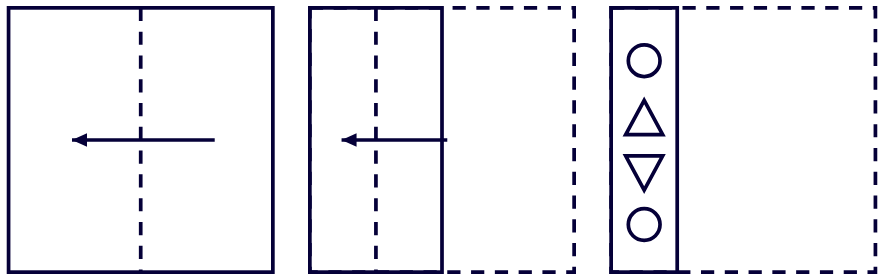
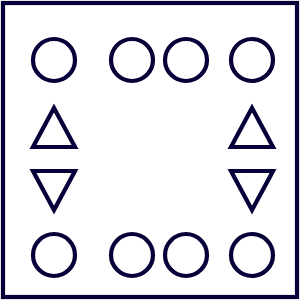
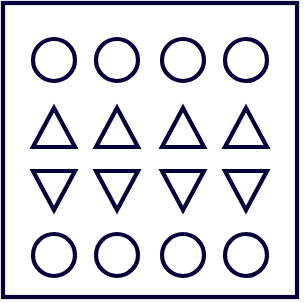
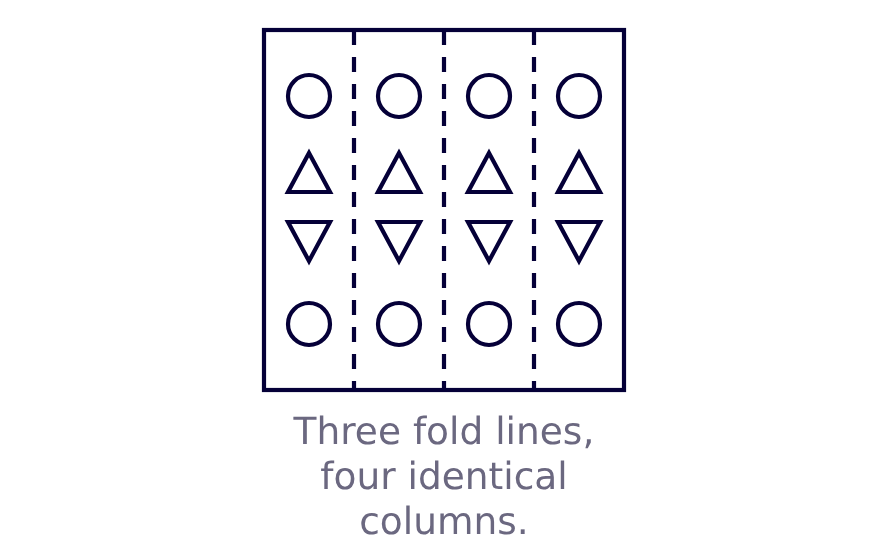 So the opened sheet shows 4 columns x 4 cuts = 16 marks, arranged as a row of four circles, a row of four upward triangles, a row of four downward triangles and a row of four circles.
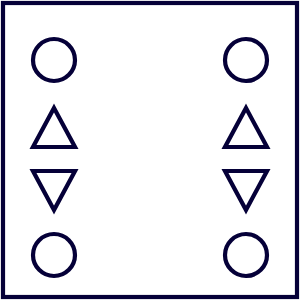
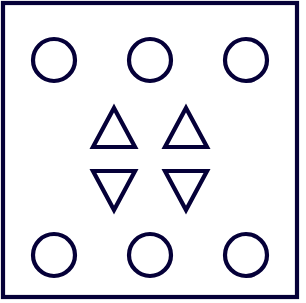
Option (b) shows only two columns, which is what a single fold would give; options (a) and (d) do not repeat the strip in all four columns.
Hence the correct option is (c).
So the opened sheet shows 4 columns x 4 cuts = 16 marks, arranged as a row of four circles, a row of four upward triangles, a row of four downward triangles and a row of four circles.
Option (b) shows only two columns, which is what a single fold would give; options (a) and (d) do not repeat the strip in all four columns.
Hence the correct option is (c).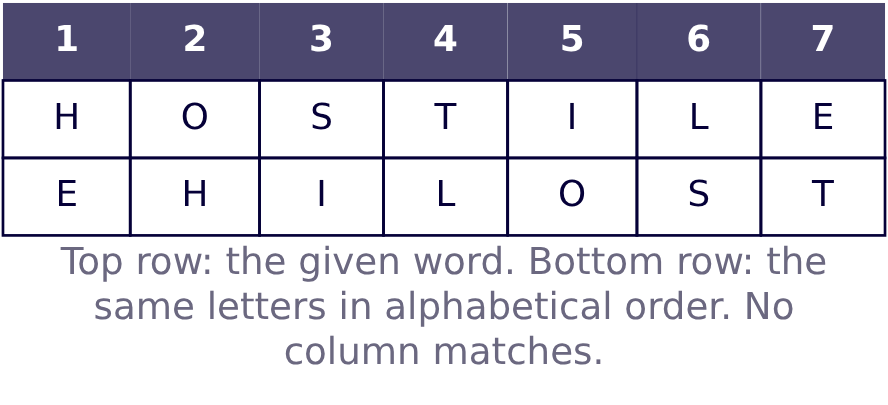 H-E, O-H, S-I, T-L, I-O, L-S, E-T: not a single position carries the same letter in both words.
So the position of zero letters remains unchanged, and the correct option is (a).
H-E, O-H, S-I, T-L, I-O, L-S, E-T: not a single position carries the same letter in both words.
So the position of zero letters remains unchanged, and the correct option is (a).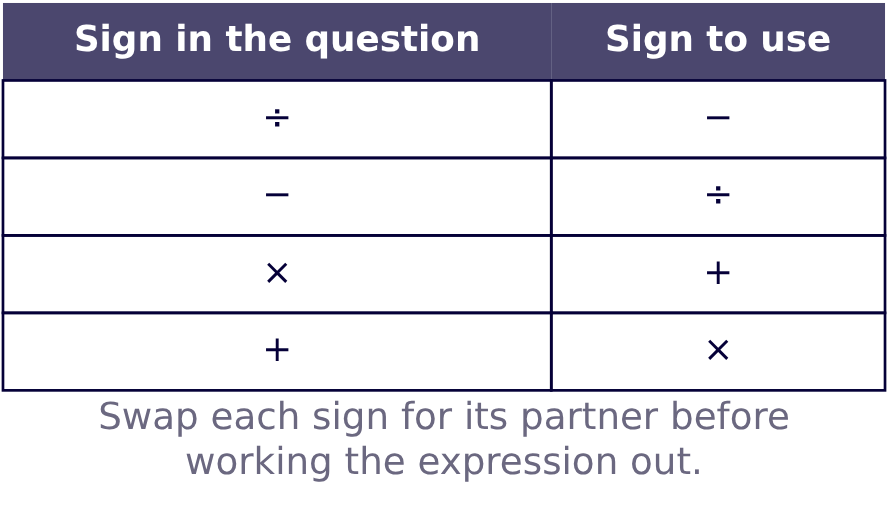 becomes .
Apply BODMAS: division and multiplication first, from left to right.
and .
194+5-4=195.
Hence the correct option is (c).
becomes .
Apply BODMAS: division and multiplication first, from left to right.
and .
194+5-4=195.
Hence the correct option is (c).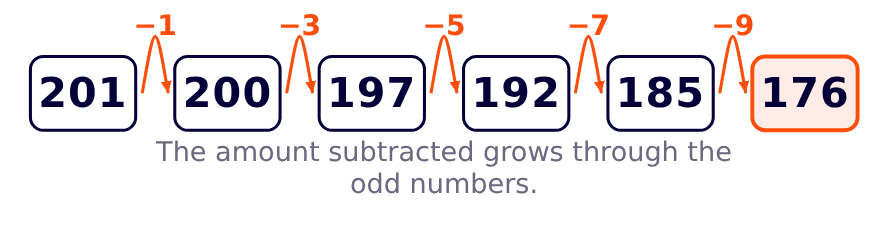 185-9=176.
(The same pattern seen another way: the terms are , so the next term is .)
Hence the correct option is (a).
185-9=176.
(The same pattern seen another way: the terms are , so the next term is .)
Hence the correct option is (a).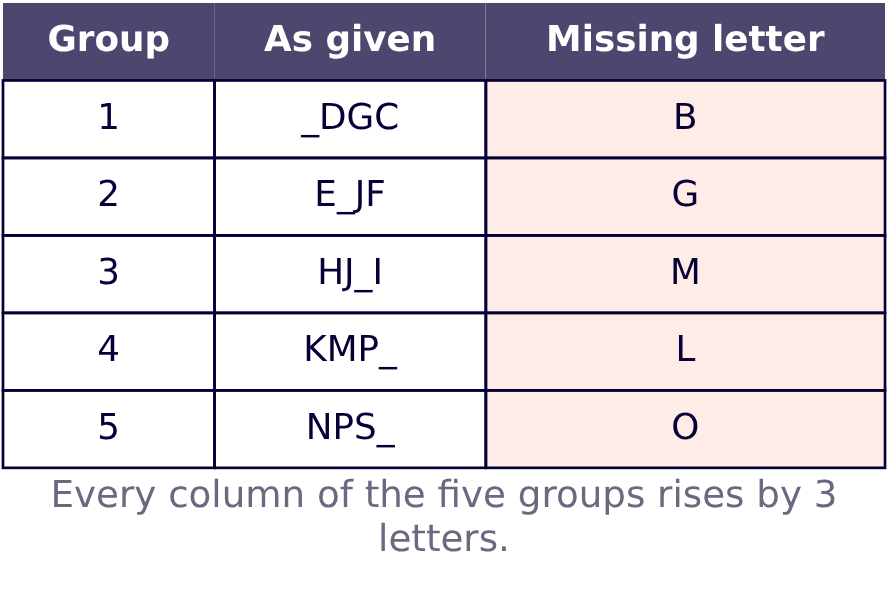 Reading the blanks in order gives B, G, M, L, O, and the correct option is (d).
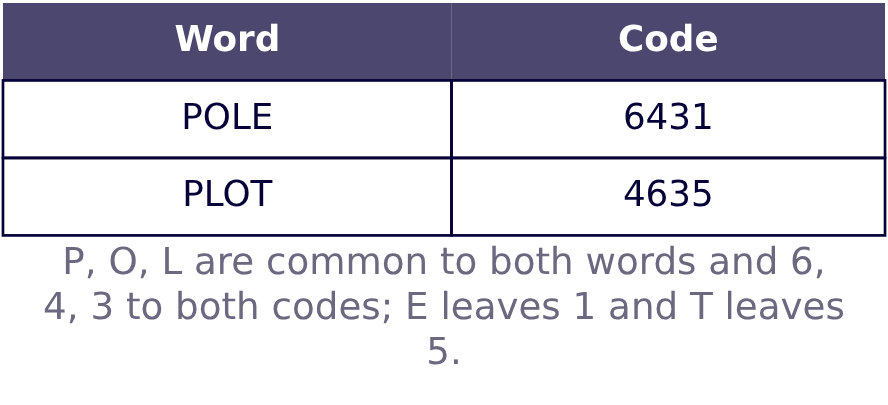 POLE and PLOT share the letters P, O and L; their codes 6431 and 4635 share the digits 6, 4 and 3.
So {P, O, L} uses the digits {6, 4, 3} in some order.
The letter left over in POLE is E, so E is coded 1; the letter left over in PLOT is T, so T takes the remaining digit 5.
Hence T is coded as 5 and the correct option is (a).
POLE and PLOT share the letters P, O and L; their codes 6431 and 4635 share the digits 6, 4 and 3.
So {P, O, L} uses the digits {6, 4, 3} in some order.
The letter left over in POLE is E, so E is coded 1; the letter left over in PLOT is T, so T takes the remaining digit 5.
Hence T is coded as 5 and the correct option is (a).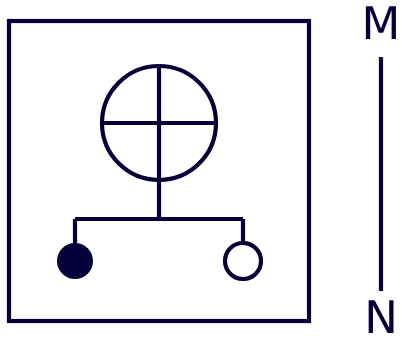
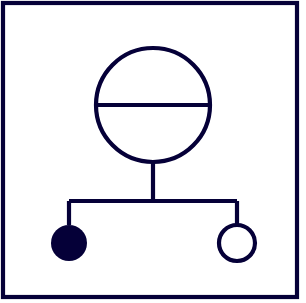
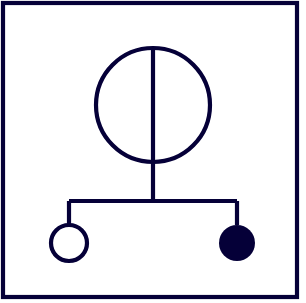
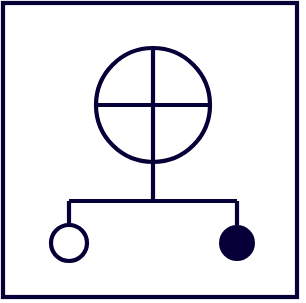
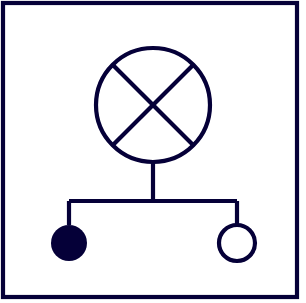
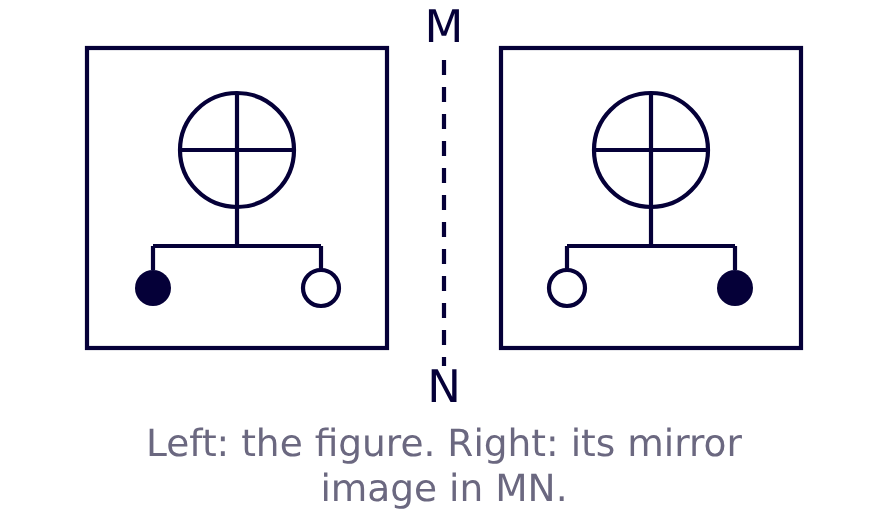 So the image needed has a crossed circle with both diameters and the solid dot on the right - which is option (c).
Option (b) puts the solid dot on the right but drops the horizontal diameter of the circle; (a) keeps the solid dot on the left; and (d) replaces the cross by a diagonal cross.
Hence the correct option is (c).
So the image needed has a crossed circle with both diameters and the solid dot on the right - which is option (c).
Option (b) puts the solid dot on the right but drops the horizontal diameter of the circle; (a) keeps the solid dot on the left; and (d) replaces the cross by a diagonal cross.
Hence the correct option is (c).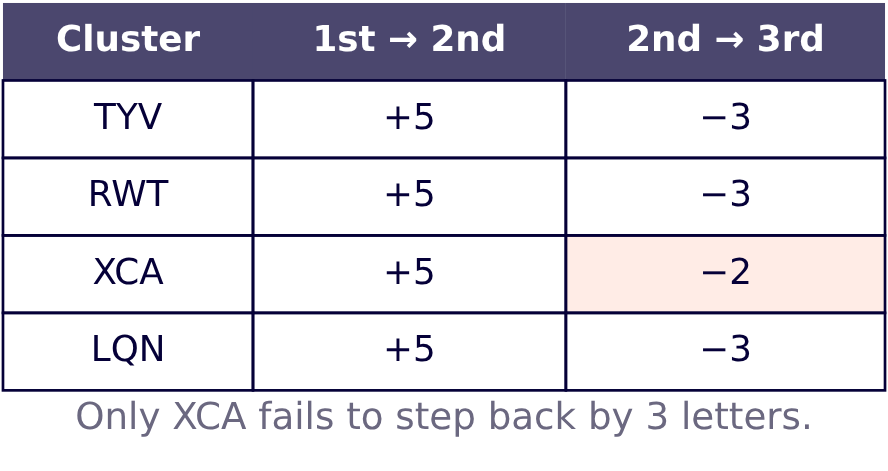 The second step breaks the pattern only in XCA, so it does not belong to the group.
Hence the correct option is (c).
The second step breaks the pattern only in XCA, so it does not belong to the group.
Hence the correct option is (c).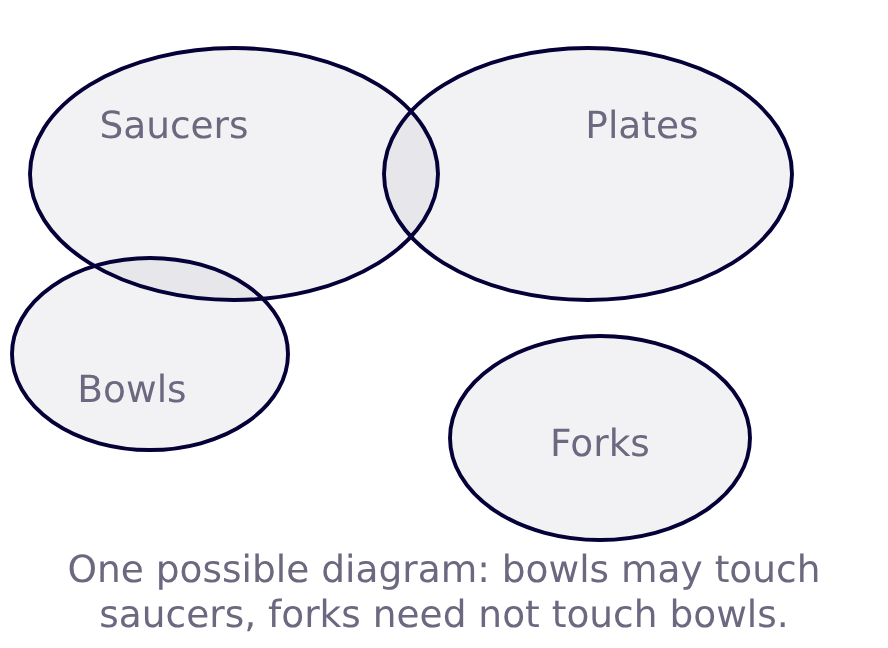 Nothing forbids a bowl from touching the part of the saucers that lies outside plates, so some saucers may well be bowls - conclusion (I) does not follow.
Nothing forces forks and bowls to meet either; they can be drawn apart, so conclusion (II) does not follow.
A conclusion follows only if it is true in EVERY valid diagram, so neither conclusion follows.
Hence the correct option is (b).
Nothing forbids a bowl from touching the part of the saucers that lies outside plates, so some saucers may well be bowls - conclusion (I) does not follow.
Nothing forces forks and bowls to meet either; they can be drawn apart, so conclusion (II) does not follow.
A conclusion follows only if it is true in EVERY valid diagram, so neither conclusion follows.
Hence the correct option is (b).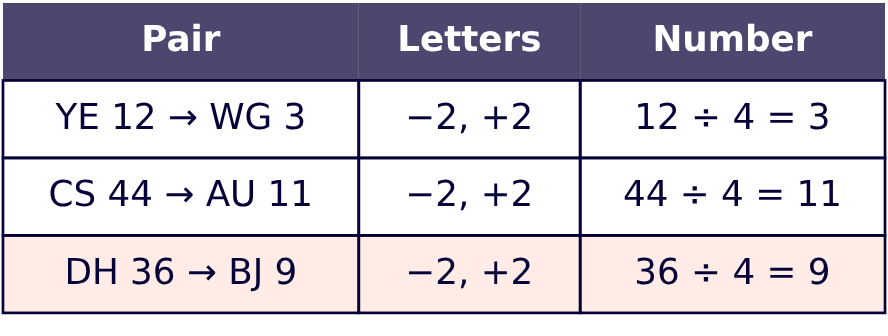 For the numbers: and , and in both cases , , so the number is divided by 4.
For DH 36: D-2=B, H+2=J and .
So DH 36 is related to BJ 9, and the correct option is (c).
For the numbers: and , and in both cases , , so the number is divided by 4.
For DH 36: D-2=B, H+2=J and .
So DH 36 is related to BJ 9, and the correct option is (c).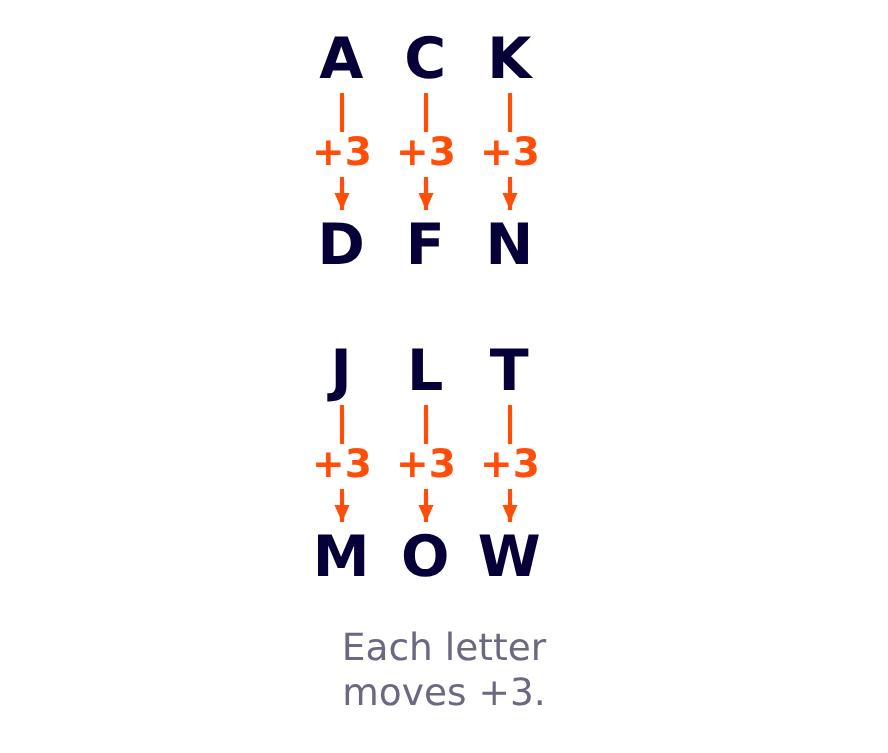 The missing cluster is MOW, and the correct option is (a).
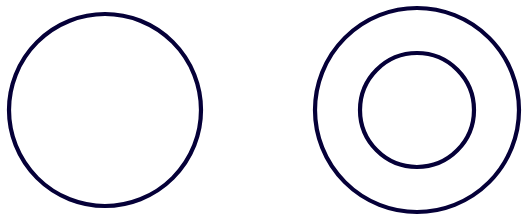
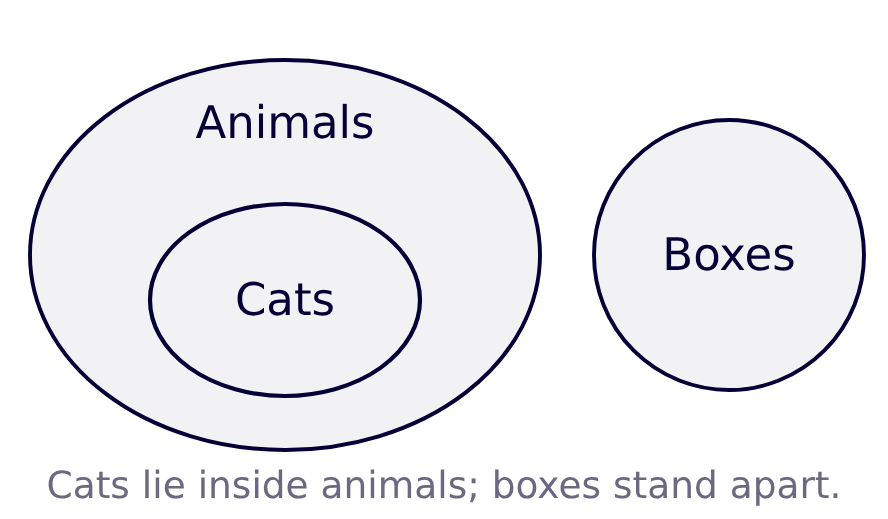 The diagram wanted is therefore one small circle inside a bigger one, plus a third circle that touches neither.
Only option (b) shows that; (a), (c) and (d) all make boxes overlap the other classes, and none of them puts cats inside animals.
Hence the correct option is (b).
The diagram wanted is therefore one small circle inside a bigger one, plus a third circle that touches neither.
Only option (b) shows that; (a), (c) and (d) all make boxes overlap the other classes, and none of them puts cats inside animals.
Hence the correct option is (b).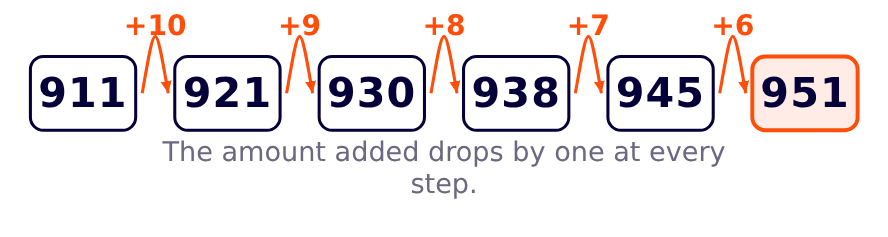 945+6=951.
Hence the correct option is (c).
945+6=951.
Hence the correct option is (c).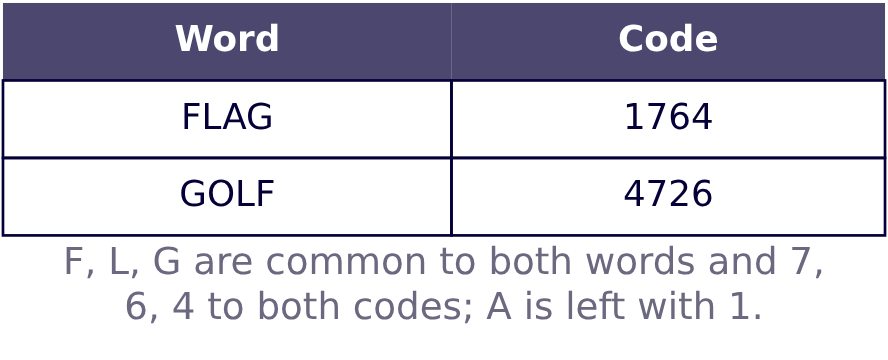 FLAG and GOLF share the letters F, L and G; their codes 1764 and 4726 share the digits 7, 6 and 4.
So {F, L, G} uses the digits {7, 6, 4} in some order.
The letter left over in FLAG is A, and the digit left over in 1764 is 1, so A is coded 1. (The same check on GOLF leaves O with 2.)
Hence the correct option is (a).
FLAG and GOLF share the letters F, L and G; their codes 1764 and 4726 share the digits 7, 6 and 4.
So {F, L, G} uses the digits {7, 6, 4} in some order.
The letter left over in FLAG is A, and the digit left over in 1764 is 1, so A is coded 1. (The same check on GOLF leaves O with 2.)
Hence the correct option is (a).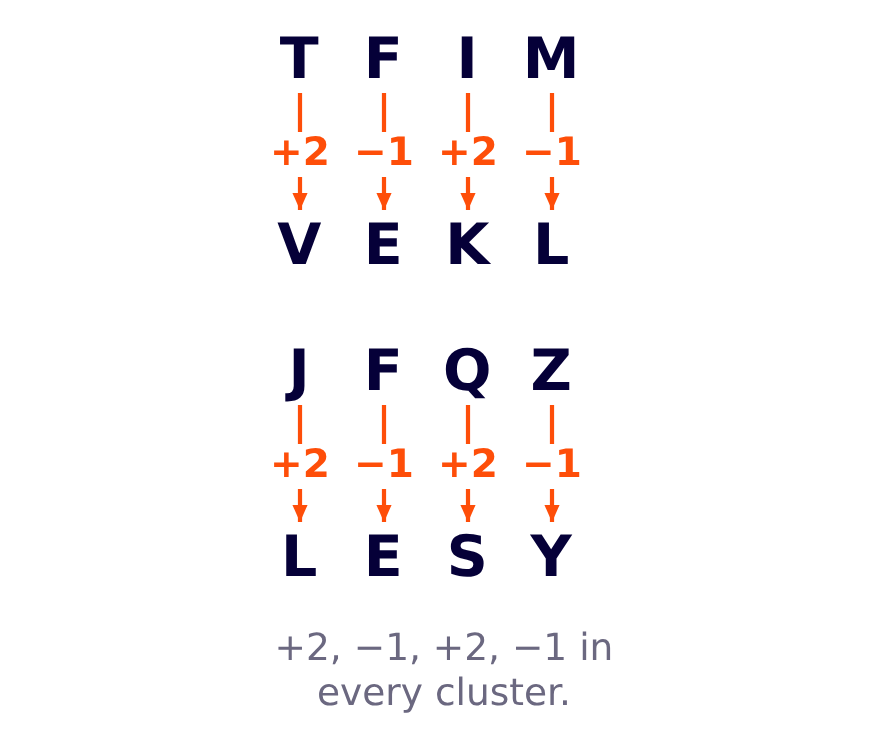 Apply it to JFQZ: J+2=L, F-1=E, Q+2=S, Z-1=Y.
That gives LESY, and the correct option is (b).
Apply it to JFQZ: J+2=L, F-1=E, Q+2=S, Z-1=Y.
That gives LESY, and the correct option is (b).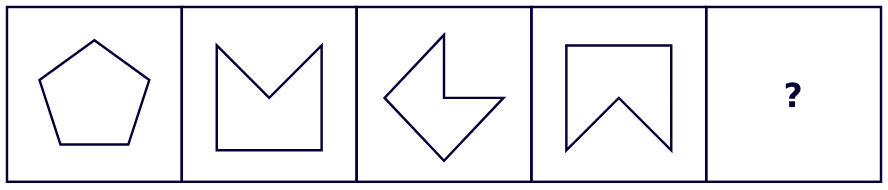
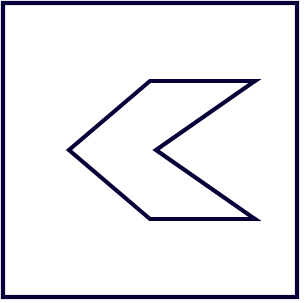
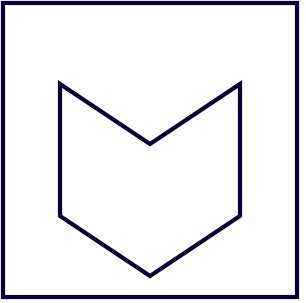
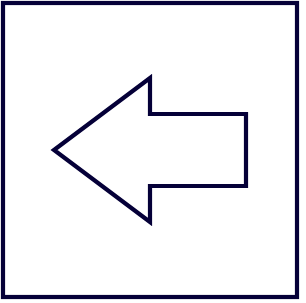
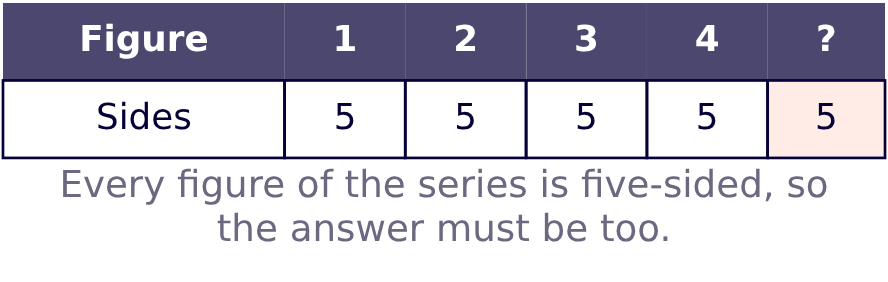 So every figure of the series is a closed figure with exactly FIVE sides, and the missing figure must have five sides too.
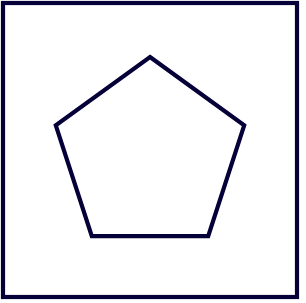
Option (a) is a five-sided figure. Option (b) is a double arrowhead with six sides, option (c) also has six sides, and option (d) is a seven-sided arrow.
Hence the correct option is (a).
So every figure of the series is a closed figure with exactly FIVE sides, and the missing figure must have five sides too.
Option (a) is a five-sided figure. Option (b) is a double arrowhead with six sides, option (c) also has six sides, and option (d) is a seven-sided arrow.
Hence the correct option is (a).