
1
Select the option figure in which the given figure ( X ) is embedded as its part (rotation is NOT allowed).
- A.
- B.
- C.
- D.
Solution
Embedded figure
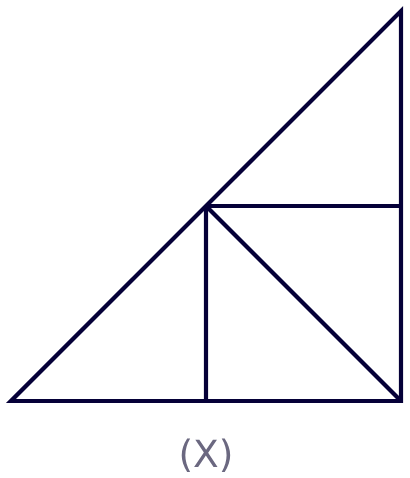
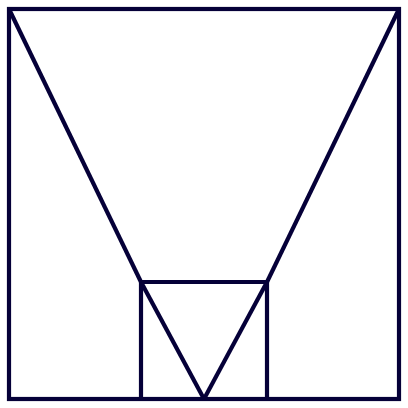
Figure (X) is a right-angled triangle: its slanting side runs corner to corner, from the bottom-left up to the top-right.
The mid-point of that slanting side is joined by three lines - one going right to the vertical side, one going straight down to the base and one going down to the bottom-right corner.
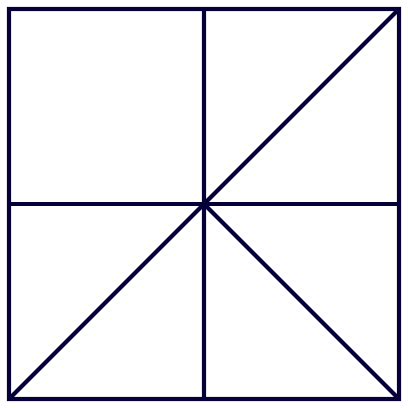
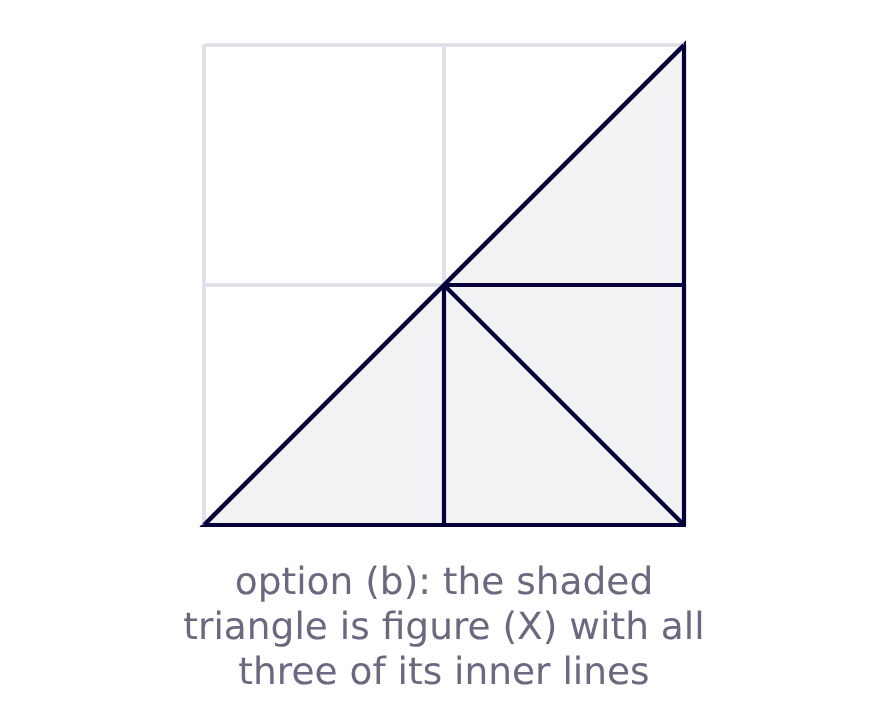 In option (b) the diagonal of the square is exactly that slanting side, the base and the right side of the square are the other two sides of the triangle, and the half-horizontal, the half-vertical and the short diagonal all meet at the centre of the square, which is the mid-point of that diagonal.
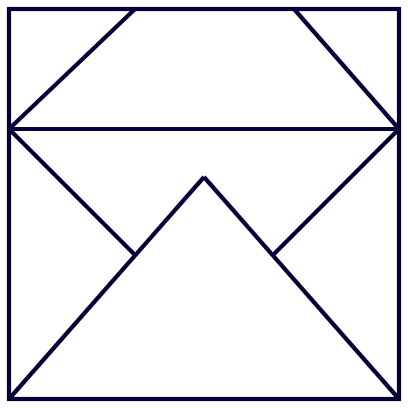
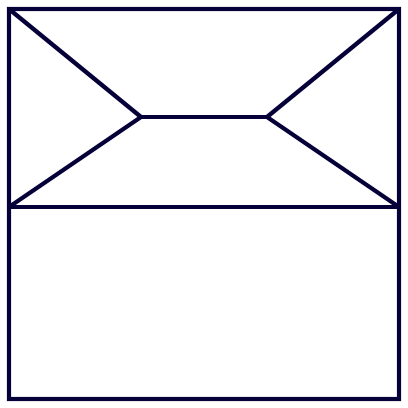
In options (a), (c) and (d) no line at all runs corner to corner across the figure, so the slanting side of (X) cannot be found in any of them.
So figure (X) is embedded in option (b).
In option (b) the diagonal of the square is exactly that slanting side, the base and the right side of the square are the other two sides of the triangle, and the half-horizontal, the half-vertical and the short diagonal all meet at the centre of the square, which is the mid-point of that diagonal.
In options (a), (c) and (d) no line at all runs corner to corner across the figure, so the slanting side of (X) cannot be found in any of them.
So figure (X) is embedded in option (b).
In option (b) the diagonal of the square is exactly that slanting side, the base and the right side of the square are the other two sides of the triangle, and the half-horizontal, the half-vertical and the short diagonal all meet at the centre of the square, which is the mid-point of that diagonal.
In options (a), (c) and (d) no line at all runs corner to corner across the figure, so the slanting side of (X) cannot be found in any of them.
So figure (X) is embedded in option (b).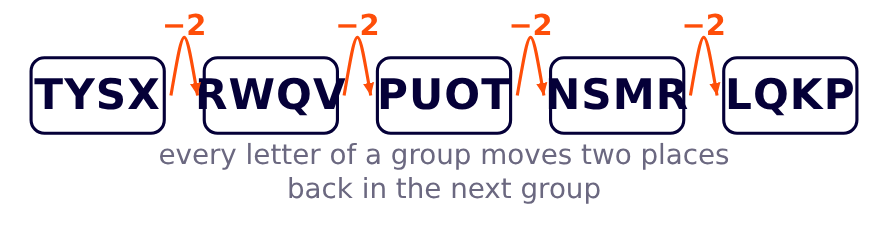 Read the groups column by column: the 1st letters give T, R, P, N, L; the 2nd give Y, W, U, S, Q; the 3rd give S, Q, O, M, K; the 4th give X, V, T, R, P.
Every column steps two places back in the alphabet, so the five groups are TYSX, RWQV, PUOT, NSMR and LQKP.
The blanks are the first letter of each group, so in order they are T, W, O, R and P.
So the required combination is TWORP, i.e. option (d).
Read the groups column by column: the 1st letters give T, R, P, N, L; the 2nd give Y, W, U, S, Q; the 3rd give S, Q, O, M, K; the 4th give X, V, T, R, P.
Every column steps two places back in the alphabet, so the five groups are TYSX, RWQV, PUOT, NSMR and LQKP.
The blanks are the first letter of each group, so in order they are T, W, O, R and P.
So the required combination is TWORP, i.e. option (d).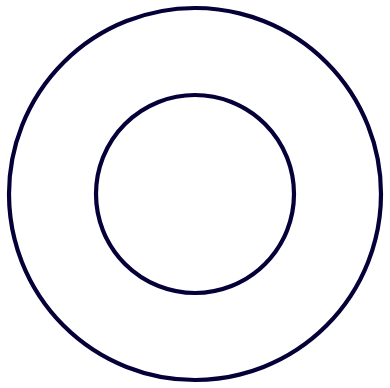
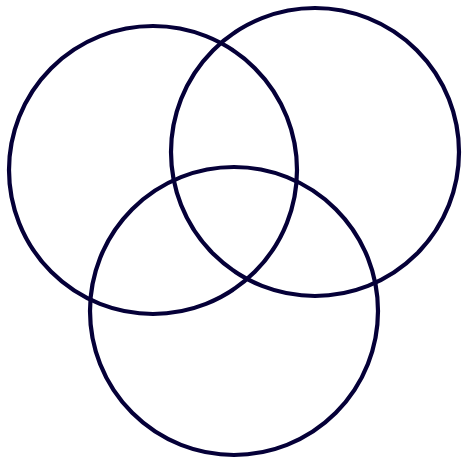
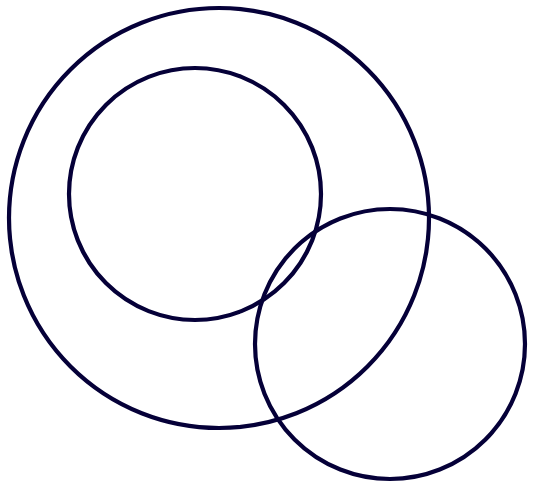
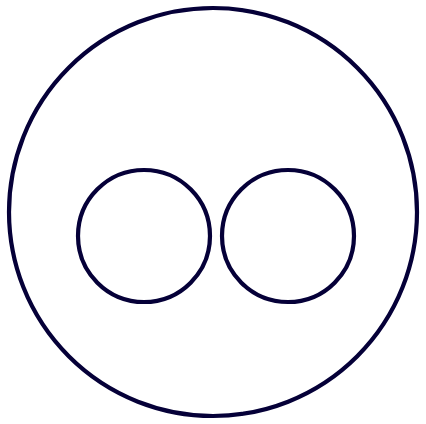
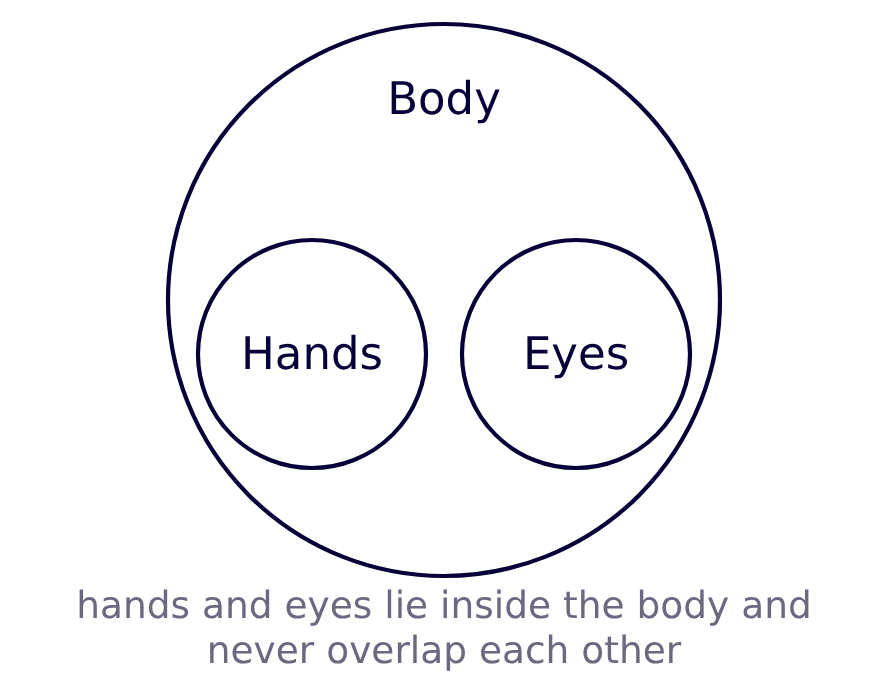 The picture needed is therefore one big circle carrying two separate smaller circles inside it, which is option (d).
Option (a) leaves one class completely outside the body, option (b) makes all three classes overlap one another, and option (c) lets a small class cross the boundary of the big one.
The picture needed is therefore one big circle carrying two separate smaller circles inside it, which is option (d).
Option (a) leaves one class completely outside the body, option (b) makes all three classes overlap one another, and option (c) lets a small class cross the boundary of the big one.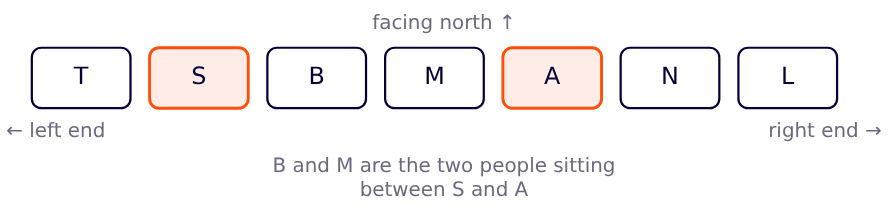 Between A (seat 5) and S (seat 2) sit the people at seats 3 and 4, that is B and M.
So two people sit between A and S, i.e. option (b).
Between A (seat 5) and S (seat 2) sit the people at seats 3 and 4, that is B and M.
So two people sit between A and S, i.e. option (b).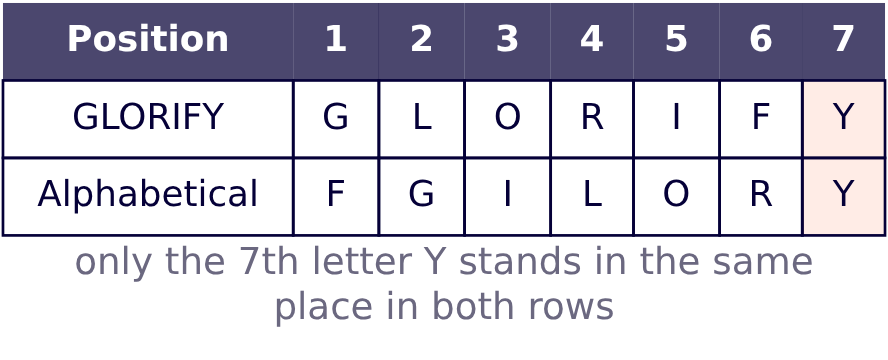 Now compare the two words place by place: G against F, L against G, O against I, R against L, I against O and F against R - all six differ.
Only the seventh place matches, because Y stands there in both words.
So exactly 1 letter keeps its position, i.e. option (c).
Now compare the two words place by place: G against F, L against G, O against I, R against L, I against O and F against R - all six differ.
Only the seventh place matches, because Y stands there in both words.
So exactly 1 letter keeps its position, i.e. option (c).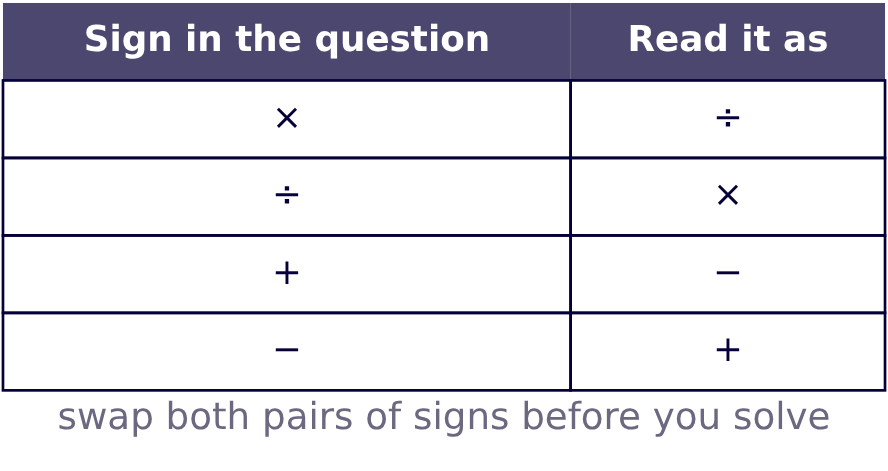 So has to be read as .
By BODMAS do the division and the multiplication first: and .
Now work from the left: 72-5=67 and 67+6=73.
So the required value is 73, i.e. option (c).
So has to be read as .
By BODMAS do the division and the multiplication first: and .
Now work from the left: 72-5=67 and 67+6=73.
So the required value is 73, i.e. option (c).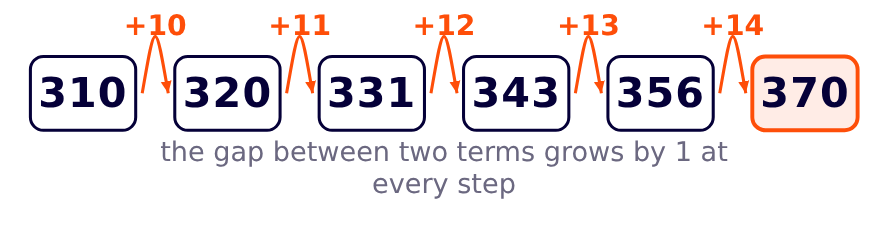 Therefore the missing term is 356+14=370.
So the answer is 370, i.e. option (d).
Therefore the missing term is 356+14=370.
So the answer is 370, i.e. option (d).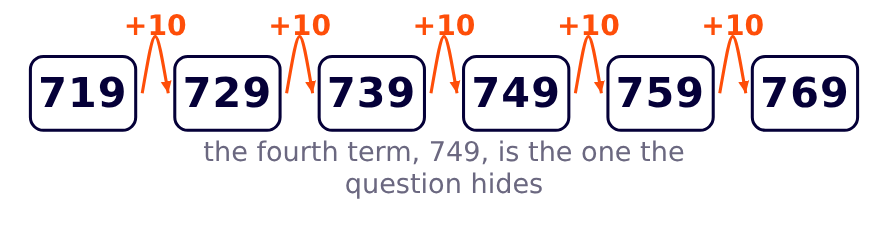 The missing term is therefore 739+10=749, and it fits on the other side too, because 759-749=10.
So the answer is 749, i.e. option (d).
The missing term is therefore 739+10=749, and it fits on the other side too, because 759-749=10.
So the answer is 749, i.e. option (d).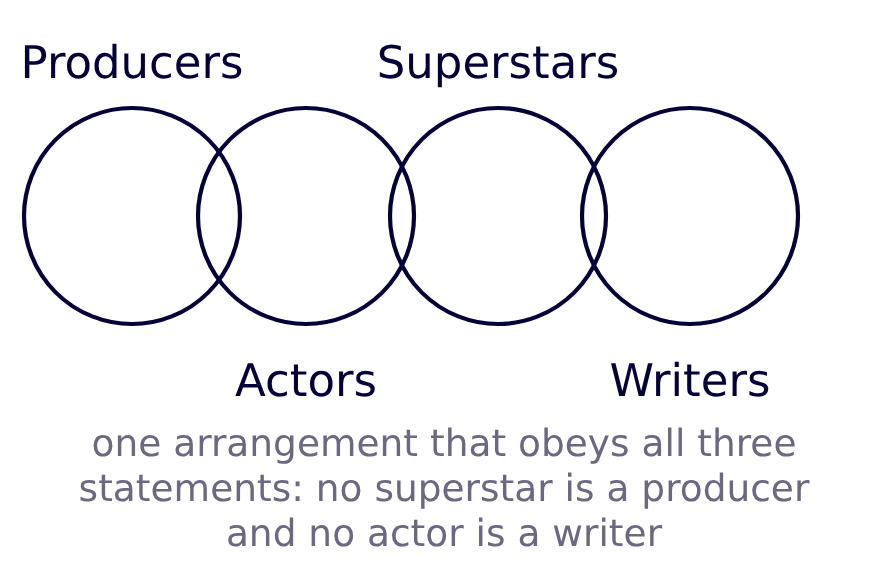 The arrangement drawn above satisfies all three statements, yet in it no superstar is a producer and no actor is a writer.
Since a single such arrangement makes both conclusions false, neither of them follows.
So the answer is "Neither conclusion (I) nor (II) follows", i.e. option (b).
The arrangement drawn above satisfies all three statements, yet in it no superstar is a producer and no actor is a writer.
Since a single such arrangement makes both conclusions false, neither of them follows.
So the answer is "Neither conclusion (I) nor (II) follows", i.e. option (b).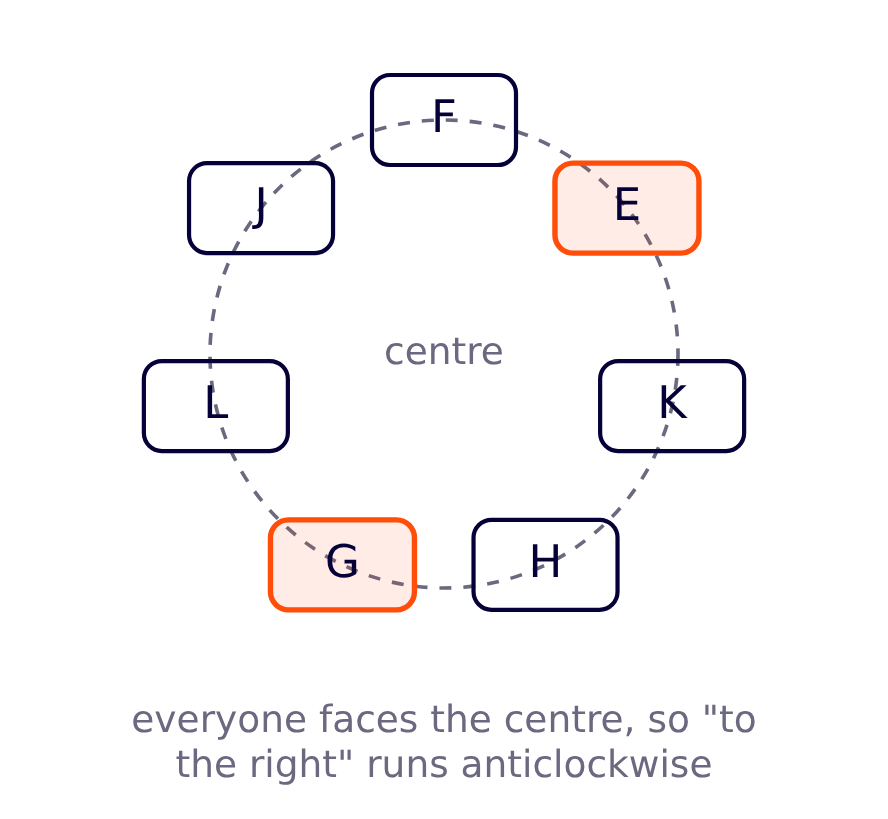 Now walk to the right from E: F is 1st, J is 2nd, L is 3rd and G is 4th.
So G sits fourth to the right of E, i.e. option (b).
Now walk to the right from E: F is 1st, J is 2nd, L is 3rd and G is 4th.
So G sits fourth to the right of E, i.e. option (b).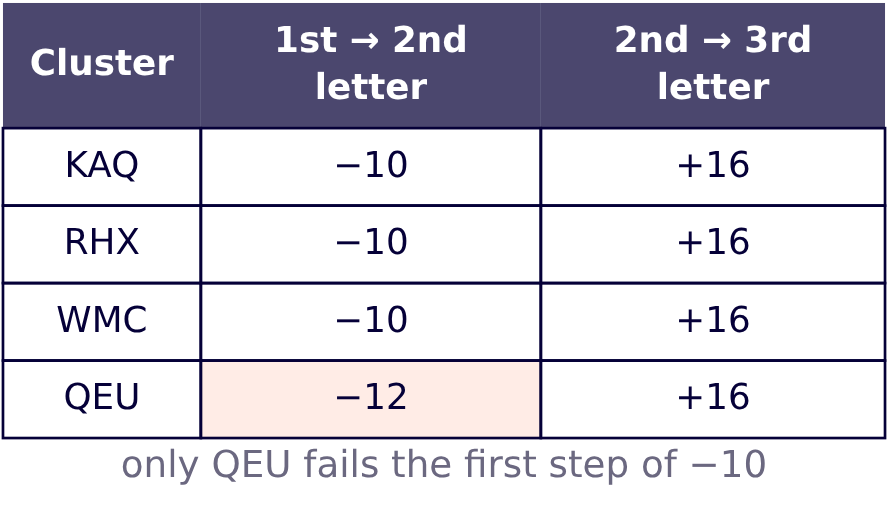 QEU: Q(17) to E(5) is 12 places back - not 10 - even though E(5) to U(21) is the usual 16 forward.
So the cluster that breaks the pattern −10, +16 is QEU, i.e. option (d).
QEU: Q(17) to E(5) is 12 places back - not 10 - even though E(5) to U(21) is the usual 16 forward.
So the cluster that breaks the pattern −10, +16 is QEU, i.e. option (d).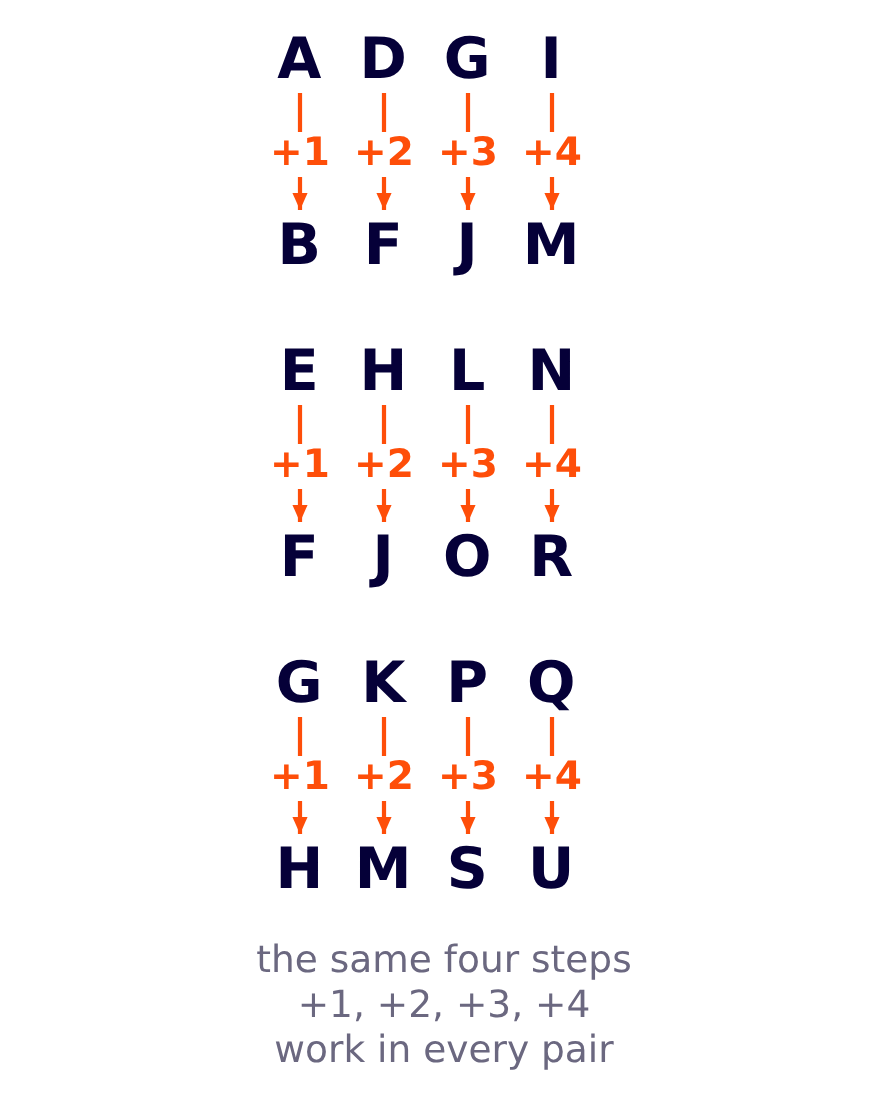 Apply +1, +2, +3, +4 to GKPQ: G+1=H, K+2=M, P+3=S and Q+4=U.
So GKPQ is related to HMSU, i.e. option (b).
Apply +1, +2, +3, +4 to GKPQ: G+1=H, K+2=M, P+3=S and Q+4=U.
So GKPQ is related to HMSU, i.e. option (b).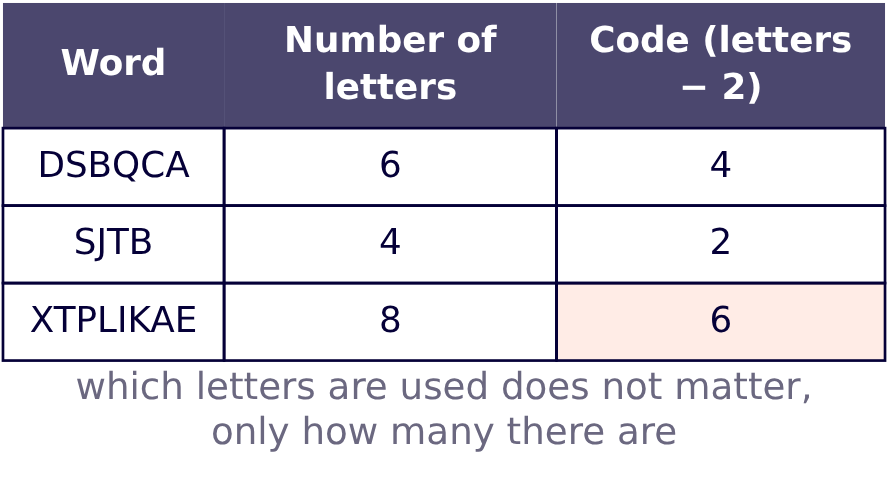 'XTPLIKAE' has 8 letters, so its code is 8-2=6.
So the code is 6, i.e. option (c).
'XTPLIKAE' has 8 letters, so its code is 8-2=6.
So the code is 6, i.e. option (c).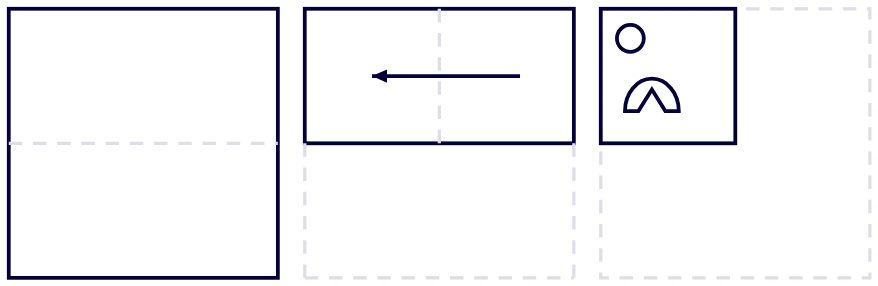
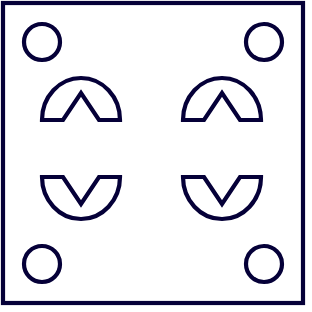
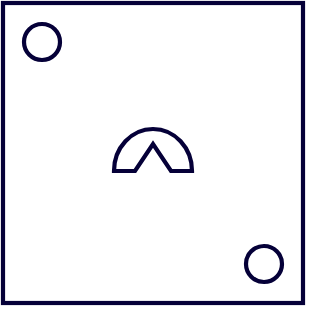
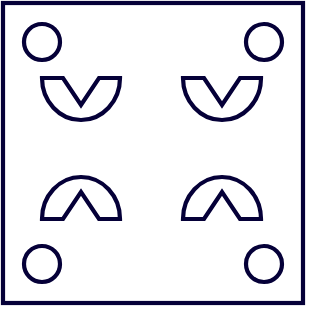
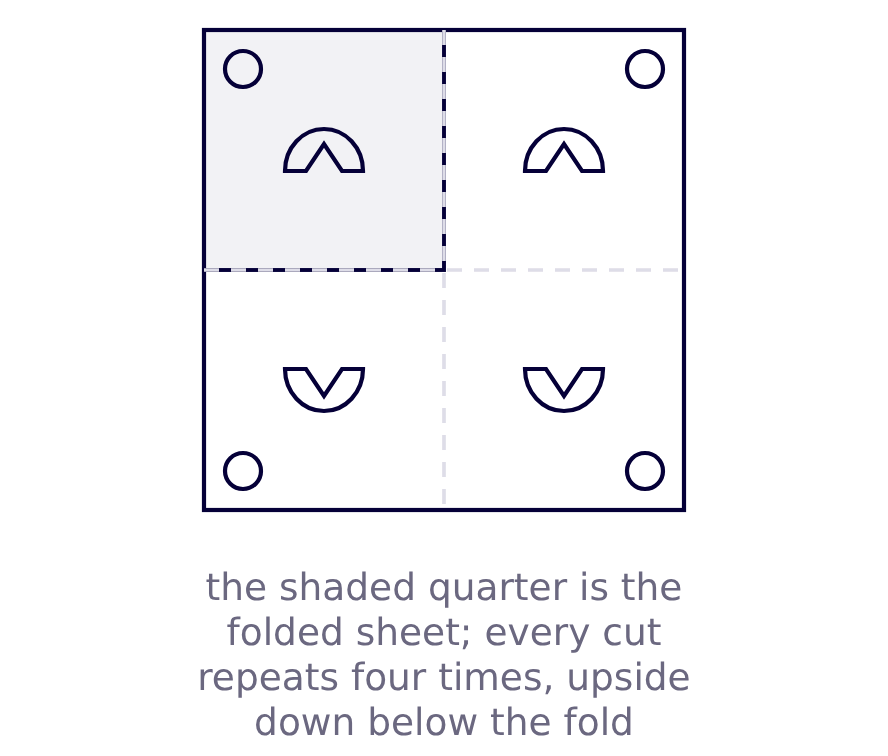 The opened sheet must therefore carry four corner circles, two arches with the notch opening downwards in the top half and two with the notch opening upwards in the bottom half - that is option (a).
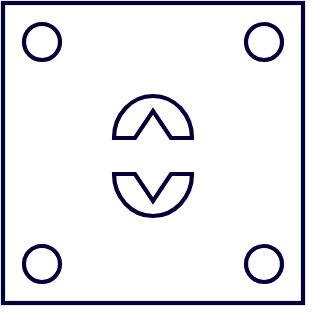
Option (b) shows only two circles and a single arch, option (d) shows only two arches instead of four, and option (c) has the arches the wrong way up in each half.
The opened sheet must therefore carry four corner circles, two arches with the notch opening downwards in the top half and two with the notch opening upwards in the bottom half - that is option (a).
Option (b) shows only two circles and a single arch, option (d) shows only two arches instead of four, and option (c) has the arches the wrong way up in each half.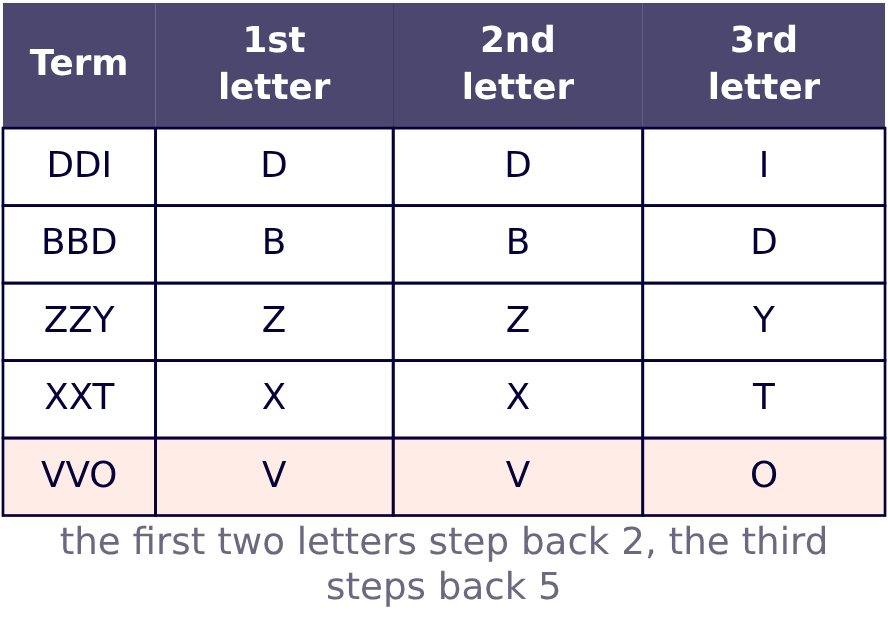 So the missing term is VVO, i.e. option (b).
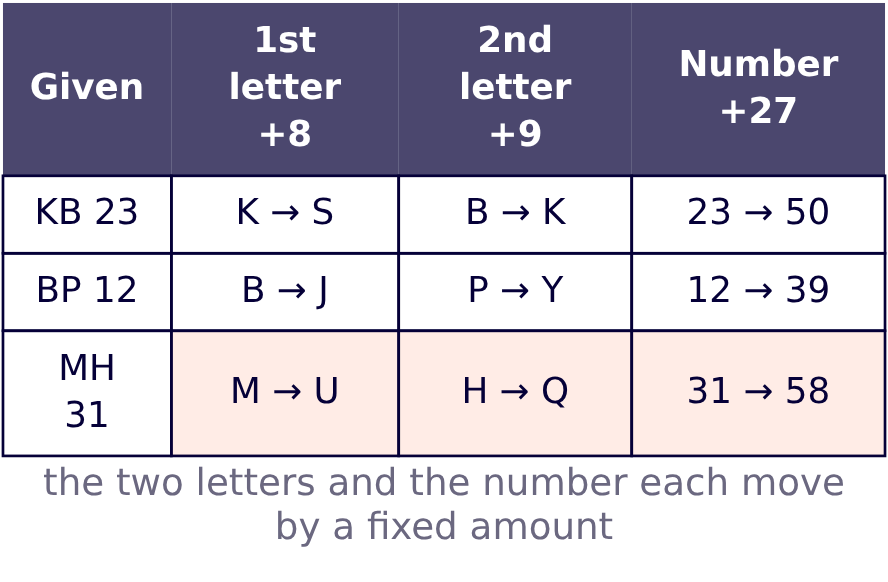 Apply all three steps to MH 31: M+8=U, H+9=Q and 31+27=58.
So MH 31 is related to UQ 58, i.e. option (d).
Apply all three steps to MH 31: M+8=U, H+9=Q and 31+27=58.
So MH 31 is related to UQ 58, i.e. option (d).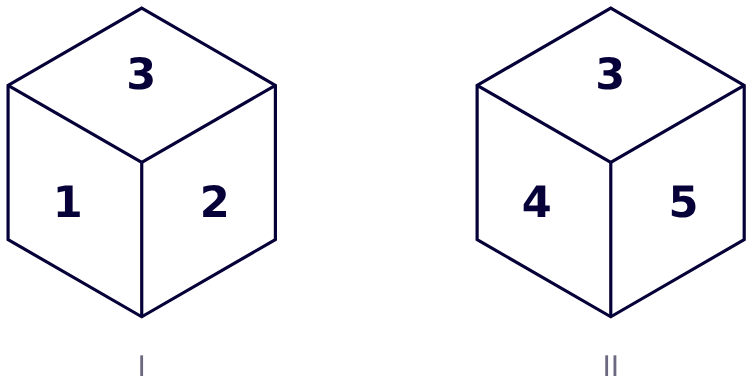
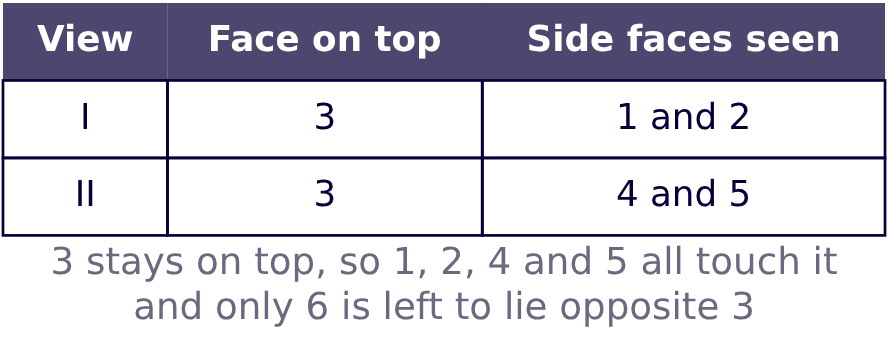 The faces 1 and 2 in the first view and 4 and 5 in the second view are all side faces, so all four of them touch the 3 and none of them can be opposite it.
Only the sixth face, 6, is left for that place, so 6 lies opposite 3.
Hence the face opposite 6 carries the number 3, i.e. option (a).
The faces 1 and 2 in the first view and 4 and 5 in the second view are all side faces, so all four of them touch the 3 and none of them can be opposite it.
Only the sixth face, 6, is left for that place, so 6 lies opposite 3.
Hence the face opposite 6 carries the number 3, i.e. option (a).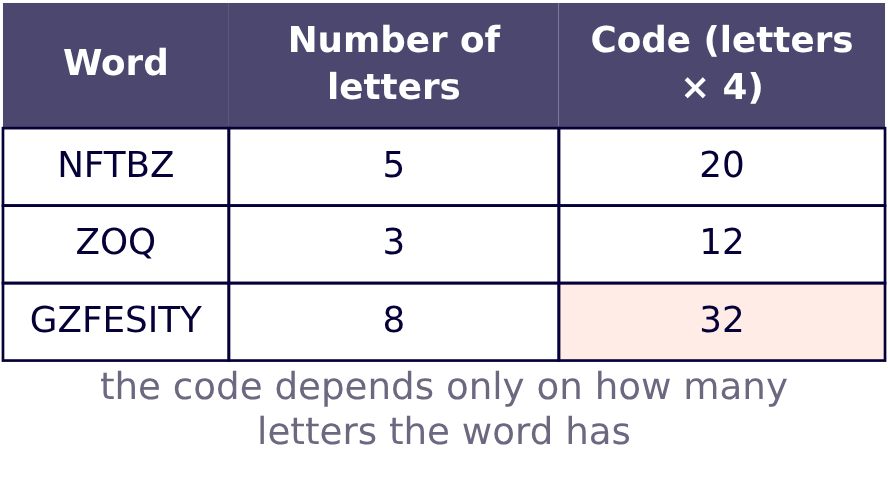 'GZFESITY' has 8 letters, so its code is .
So the code is 32, i.e. option (d).
'GZFESITY' has 8 letters, so its code is .
So the code is 32, i.e. option (d).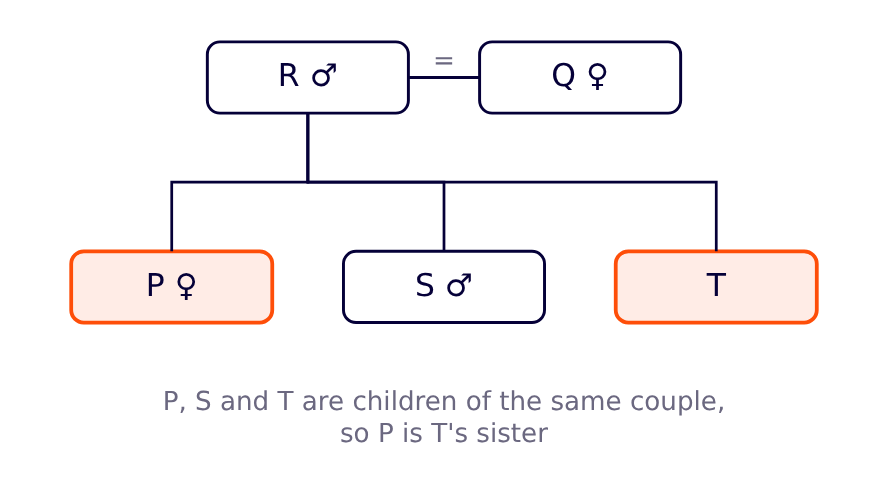 P and T therefore have the same parents, and P is a girl.
So P is the sister of T, i.e. option (c).
P and T therefore have the same parents, and P is a girl.
So P is the sister of T, i.e. option (c).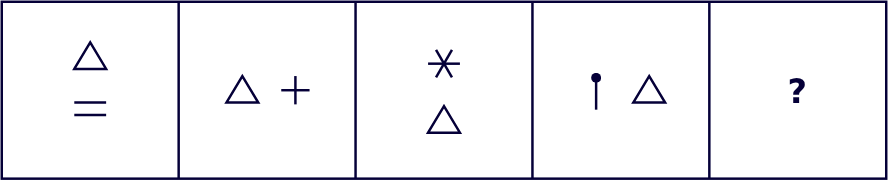
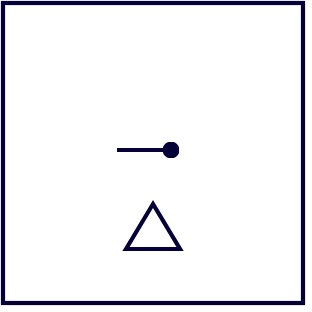
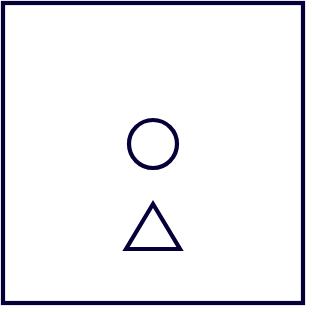
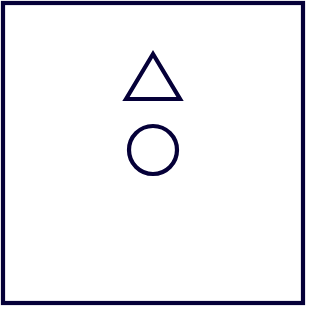
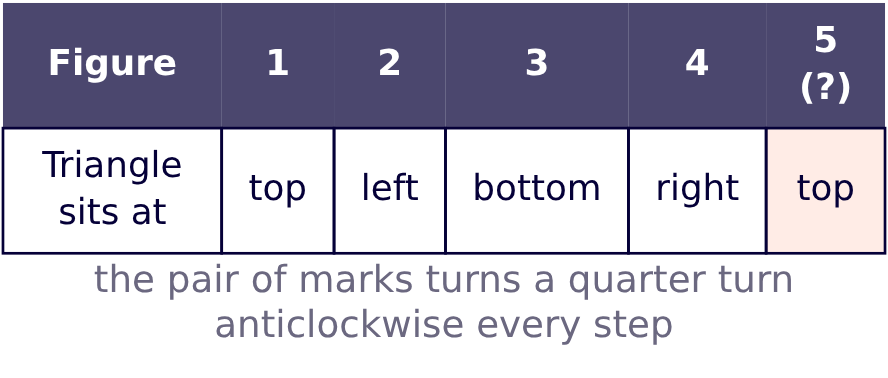 The marks themselves never turn - the triangle points up in all four boxes - so the second mark must also be shown standing upright, and no symbol is used twice in the strip.
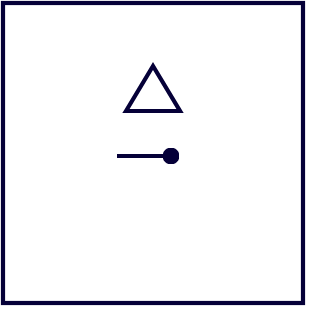
Only option (d) has the triangle on top with a fresh upright symbol, a small circle, below it.
Options (b) and (c) put the triangle at the bottom instead of the top, and option (a) reuses figure 4's pin and lays it on its side.
The marks themselves never turn - the triangle points up in all four boxes - so the second mark must also be shown standing upright, and no symbol is used twice in the strip.
Only option (d) has the triangle on top with a fresh upright symbol, a small circle, below it.
Options (b) and (c) put the triangle at the bottom instead of the top, and option (a) reuses figure 4's pin and lays it on its side.